You are currently viewing a placeholder content from Vimeo. To access the actual content, click the button below. Please note that doing so will share data with third-party providers.
More InformationYou are currently viewing a placeholder content from Vimeo. To access the actual content, click the button below. Please note that doing so will share data with third-party providers.
More InformationBlue-and-white dreamlike old town
Blue-and-white dreamlike old town
Picturesque blue pearl
Between the Rif Mountains & the Mediterranean Coast
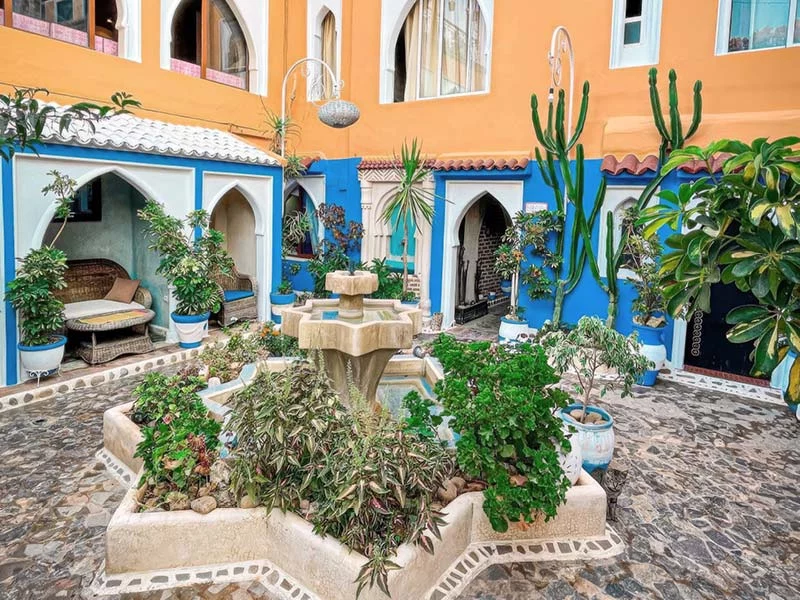
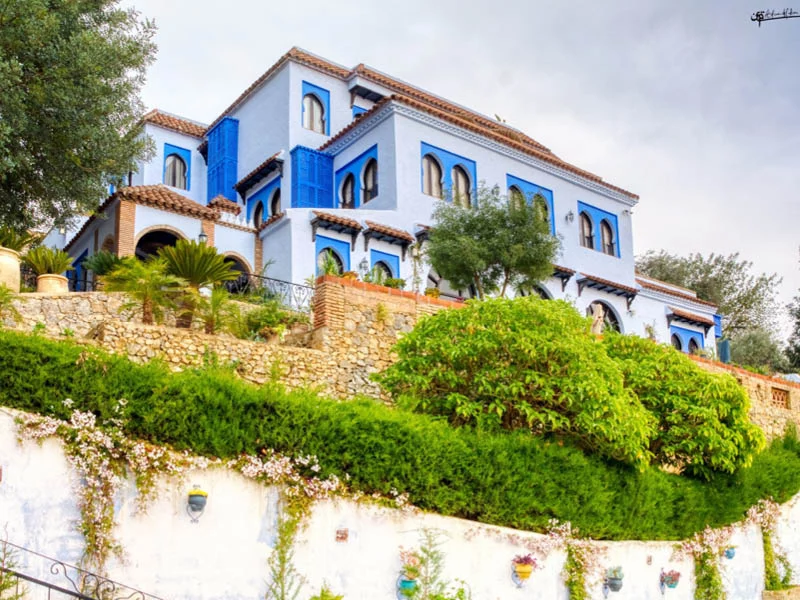
Chefchaouen, the famous blue pearl of Morocco’s far north, enchants visitors at first sight. Blue-and-whitewashed houses climb gently up the hillside, forming a maze of narrow alleyways and charming corners. Considered one of the most beautiful old towns in Africa, the city captivates with picturesque squares, blooming courtyards, historic mosques and a mesmerising play of colours. At around 600 metres above sea level, the fresh mountain air of the Rif Mountains meets a vibrant scene of small boutiques, artisan shops and excellent restaurants. The region’s culinary traditions are so distinctive that Moroccan cuisine itself has been recognised by UNESCO as an intangible cultural heritage. Chefchaouen is simply magical – romantic, atmospheric and unforgettable.
Picturesque, romantic and Andalusian – a paradise for photographers.
A laid-back atmosphere with cosy cafés and restaurants.
The perfect starting point for excursions among forests and waterfalls.
Hike up the hill to the Spanish Mosque for unforgettable views.
From djellabas and carpets to colourful hand-painted plates.
You are currently viewing a placeholder content from YouTube. To access the actual content, click the button below. Please note that doing so will share data with third-party providers.
More Information
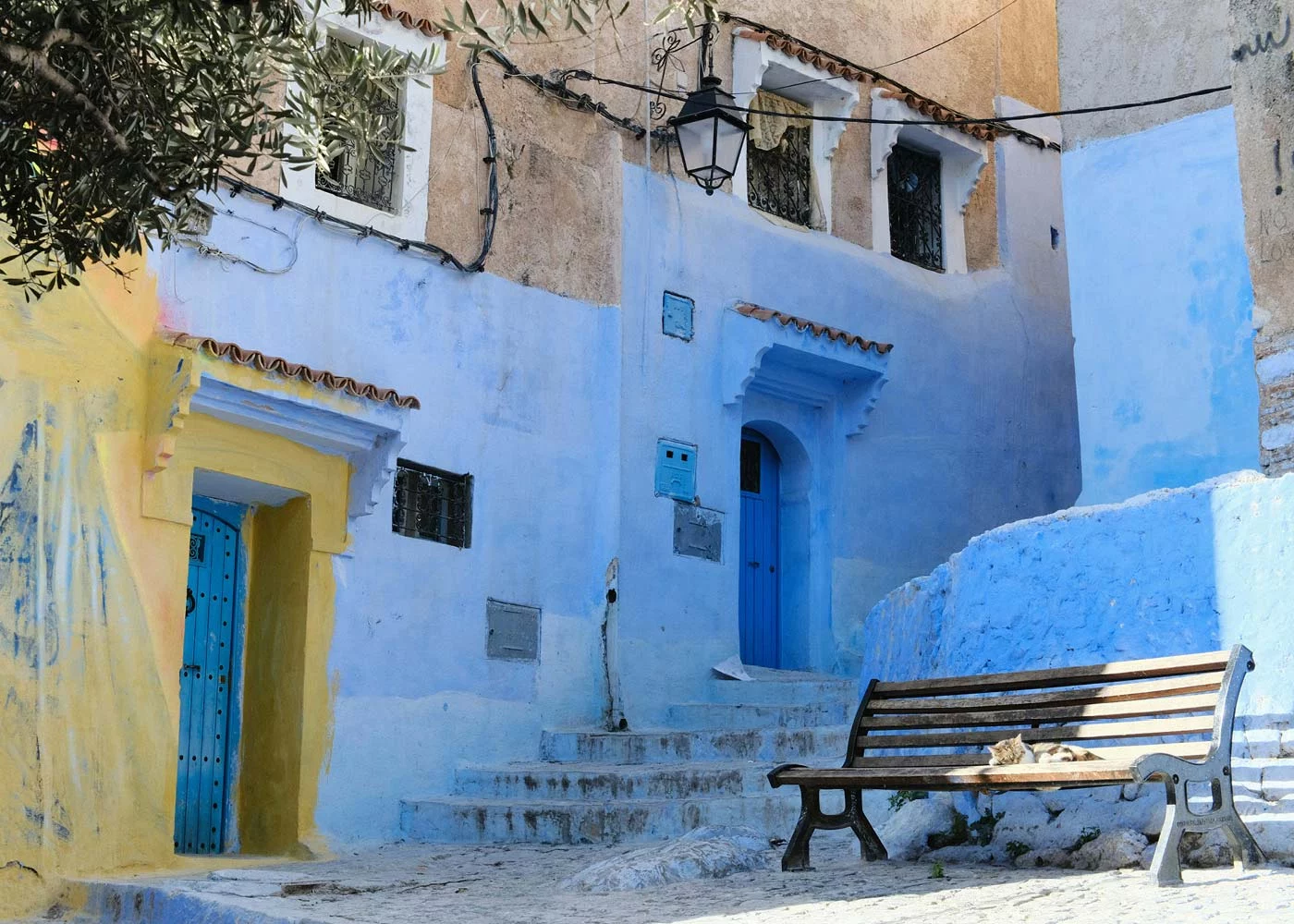
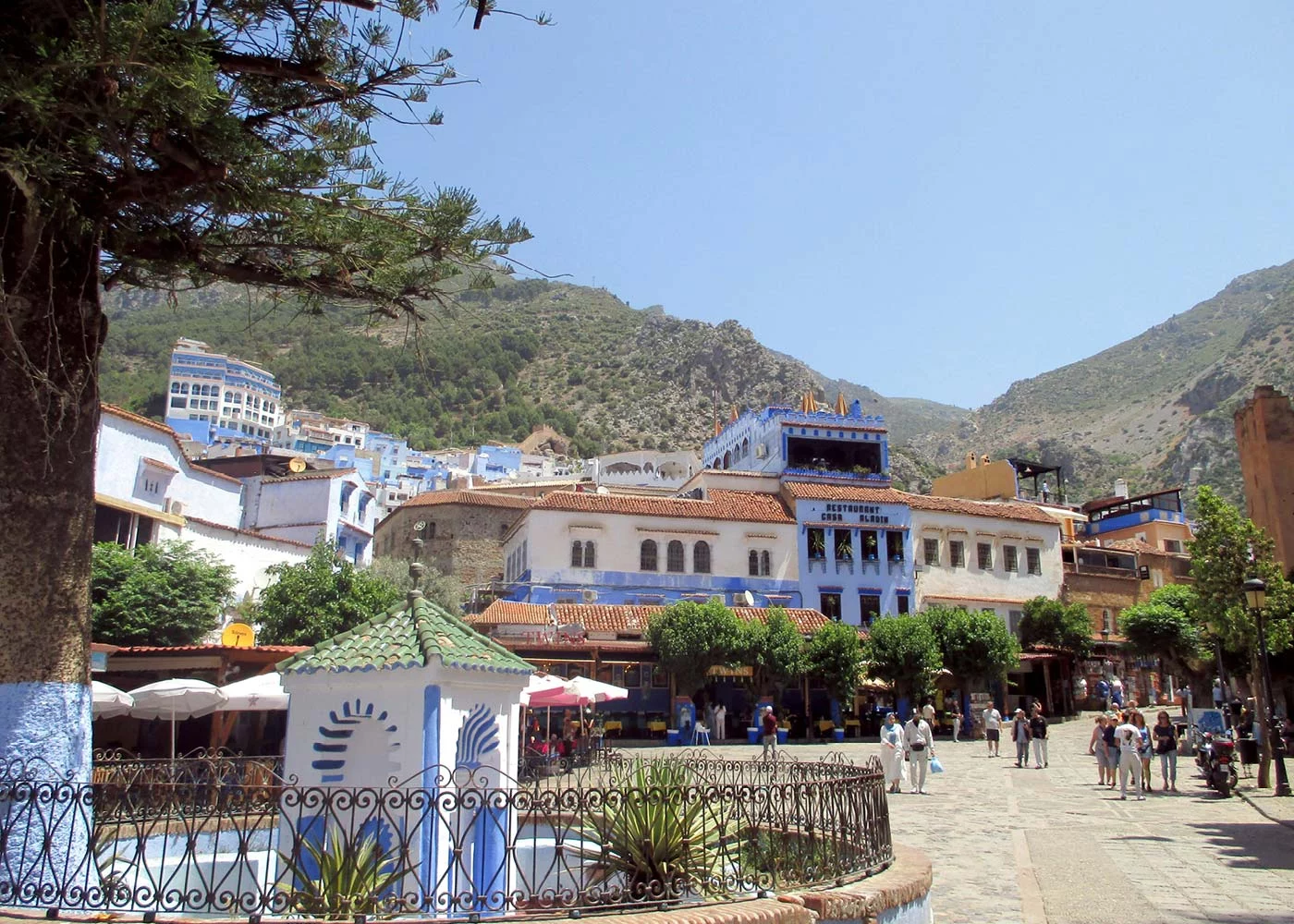
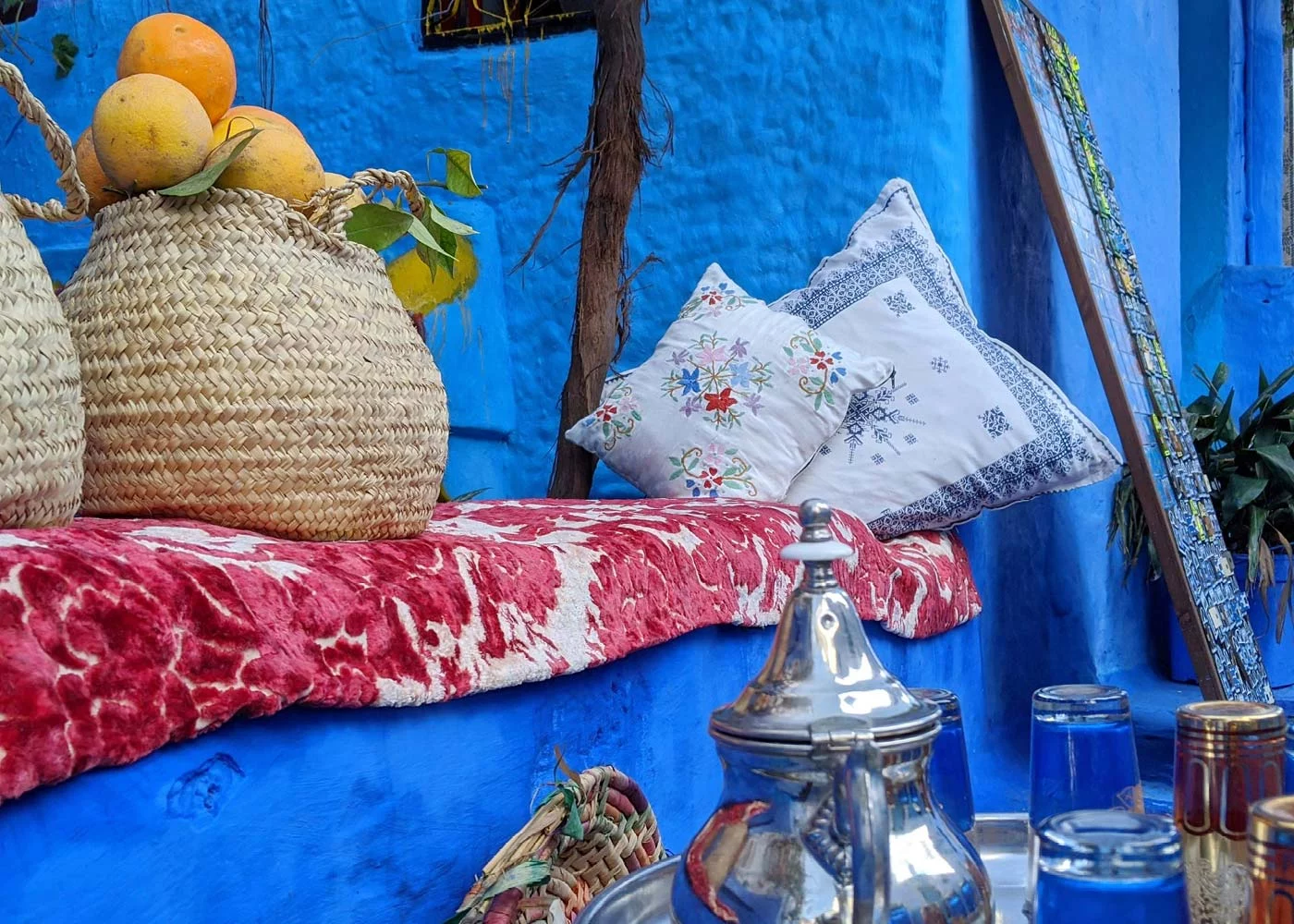
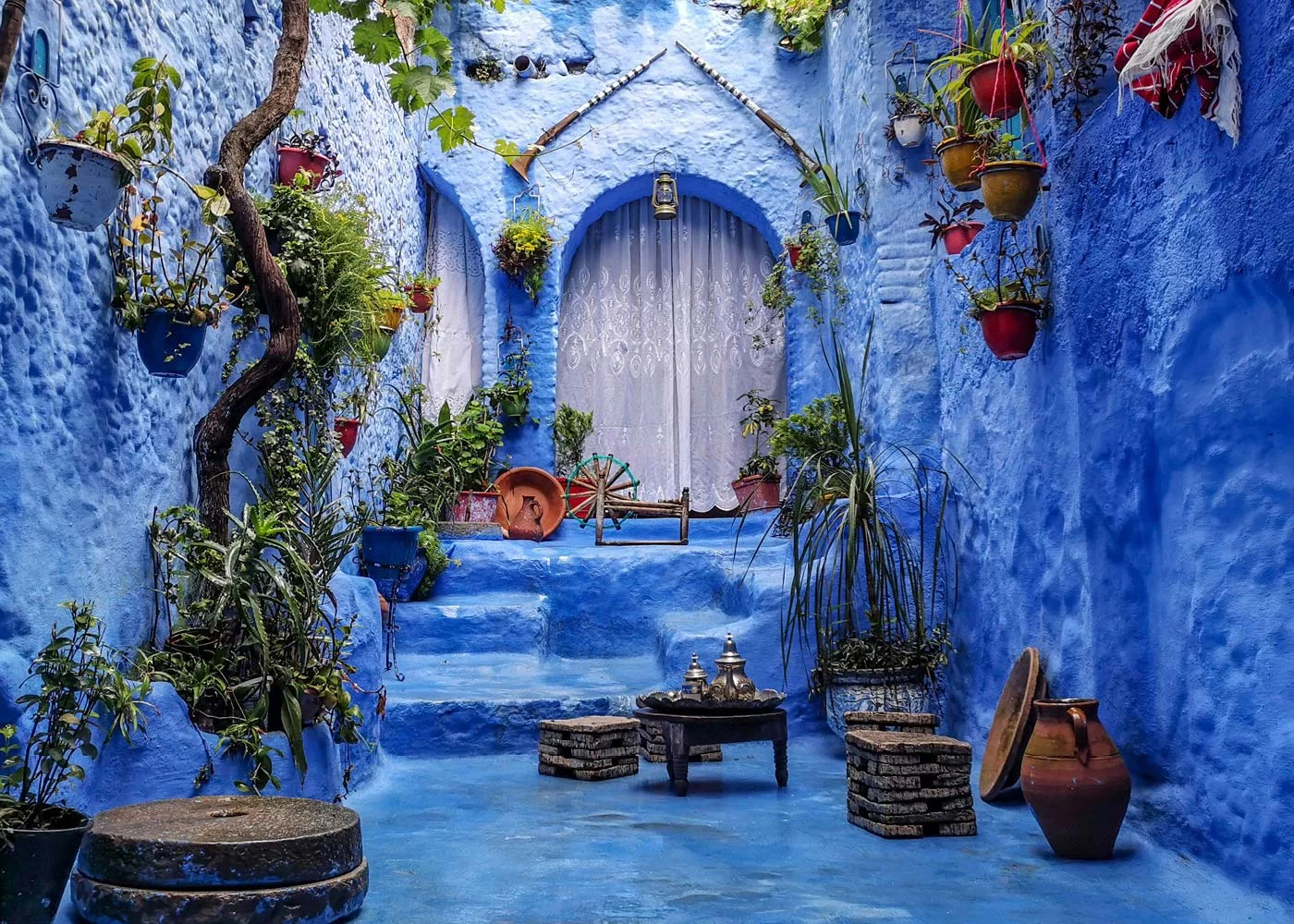
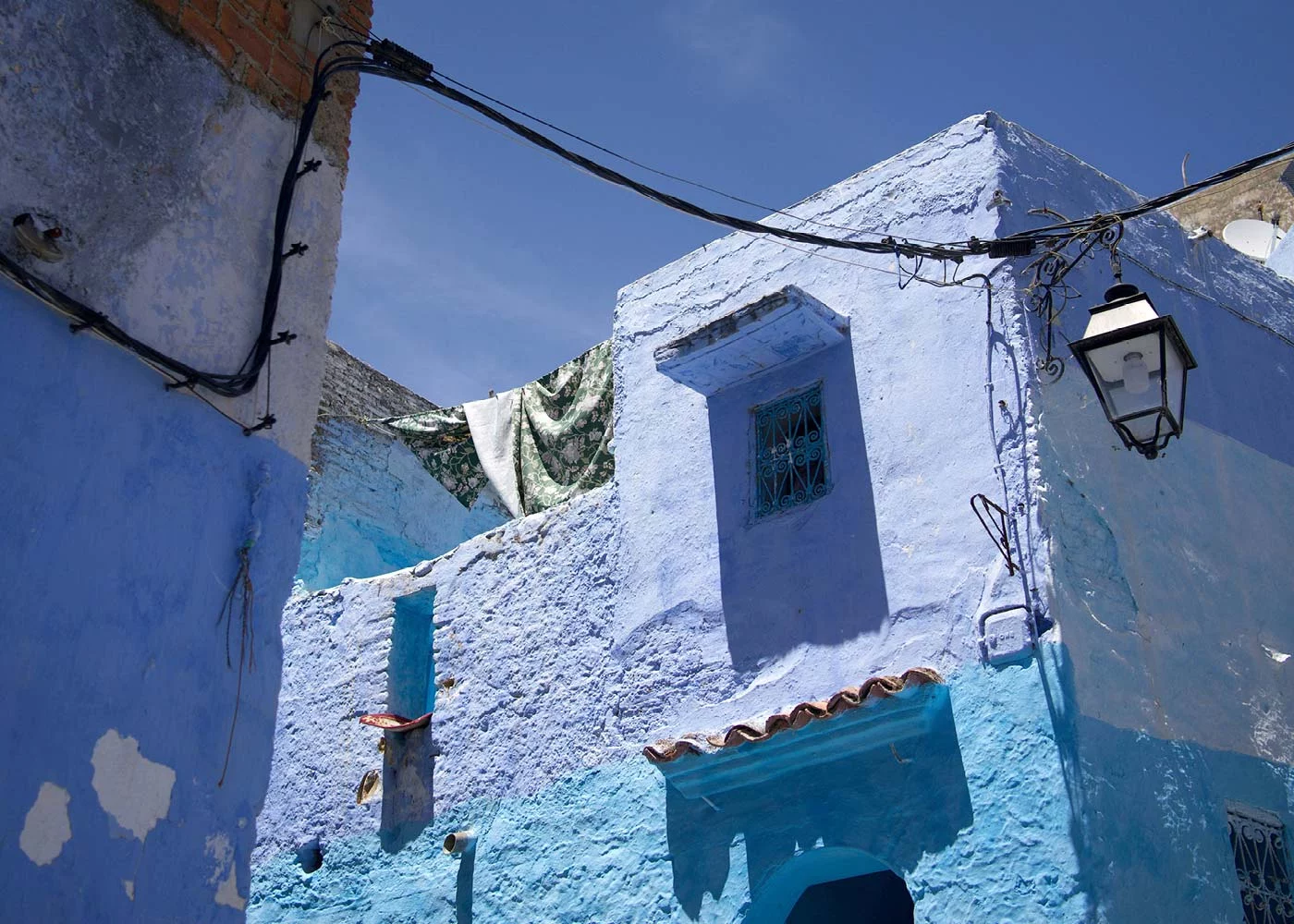
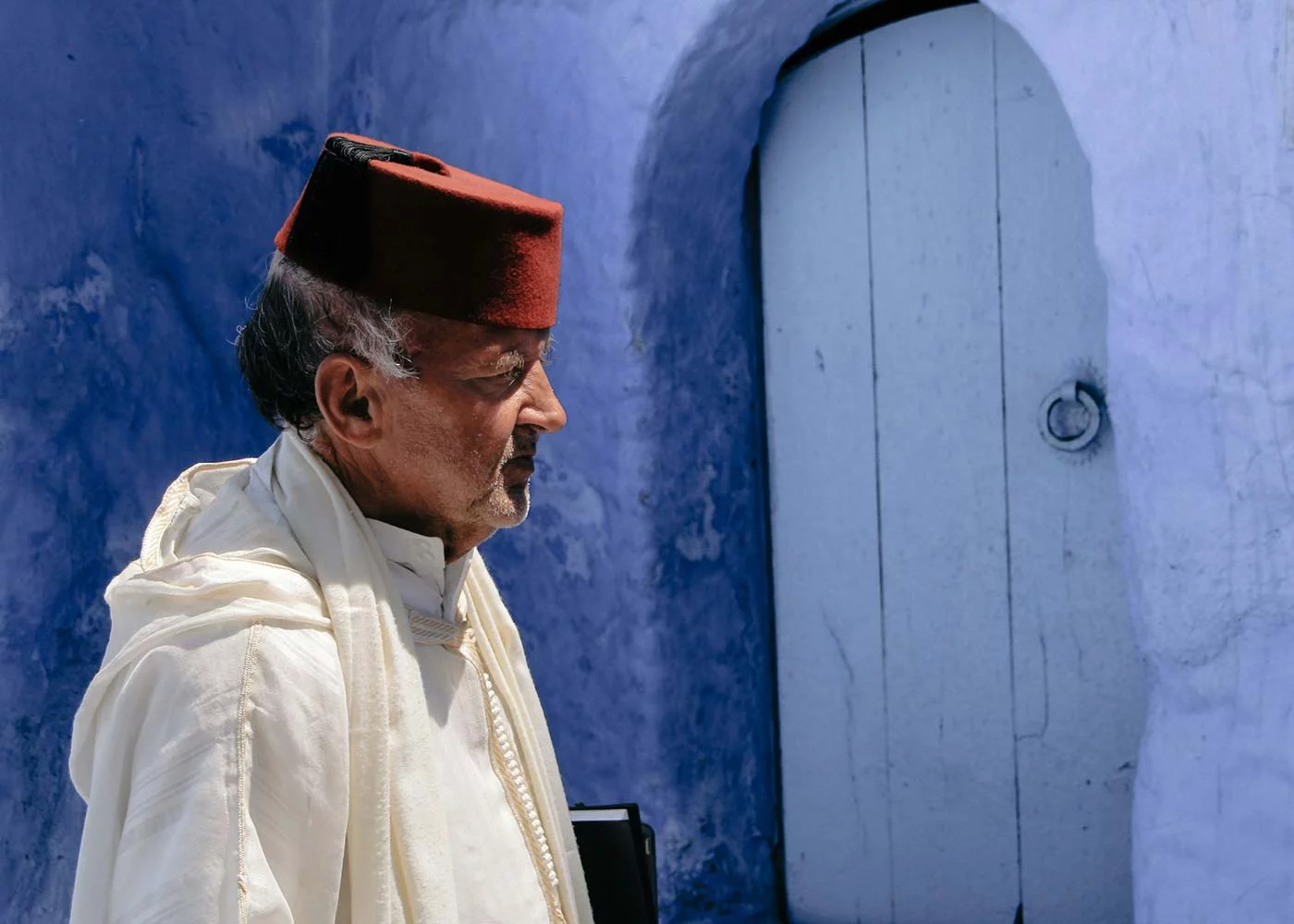
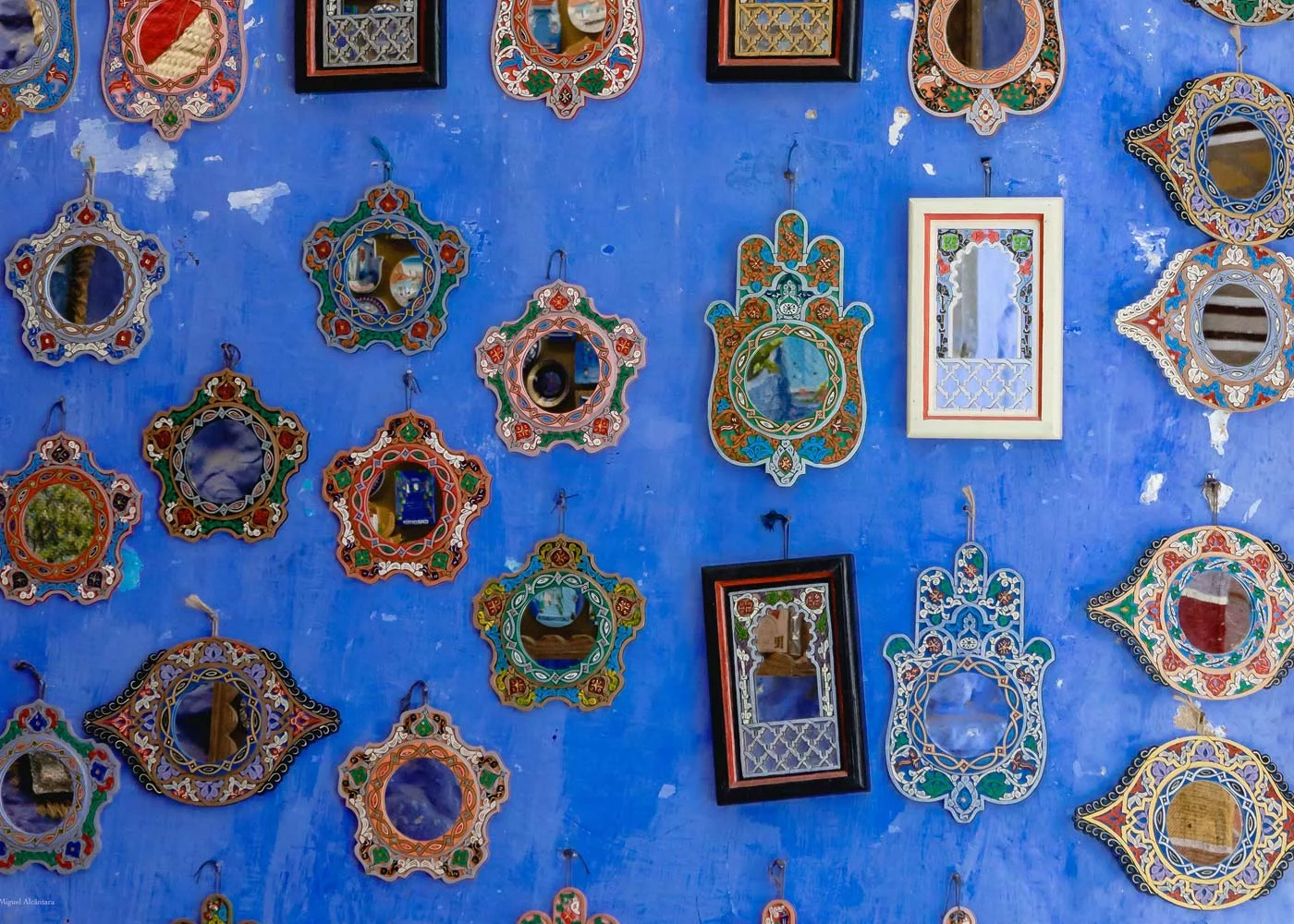
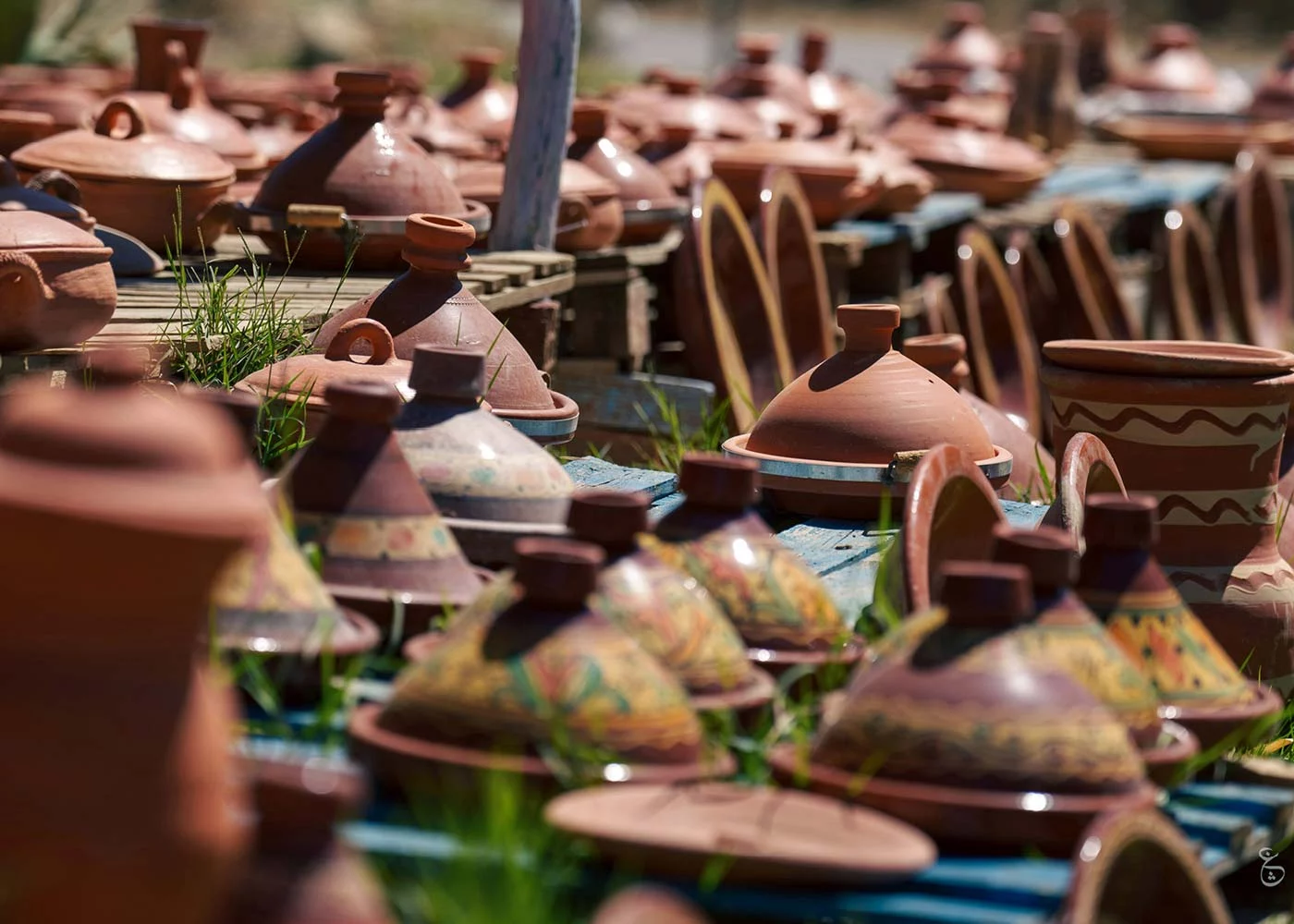
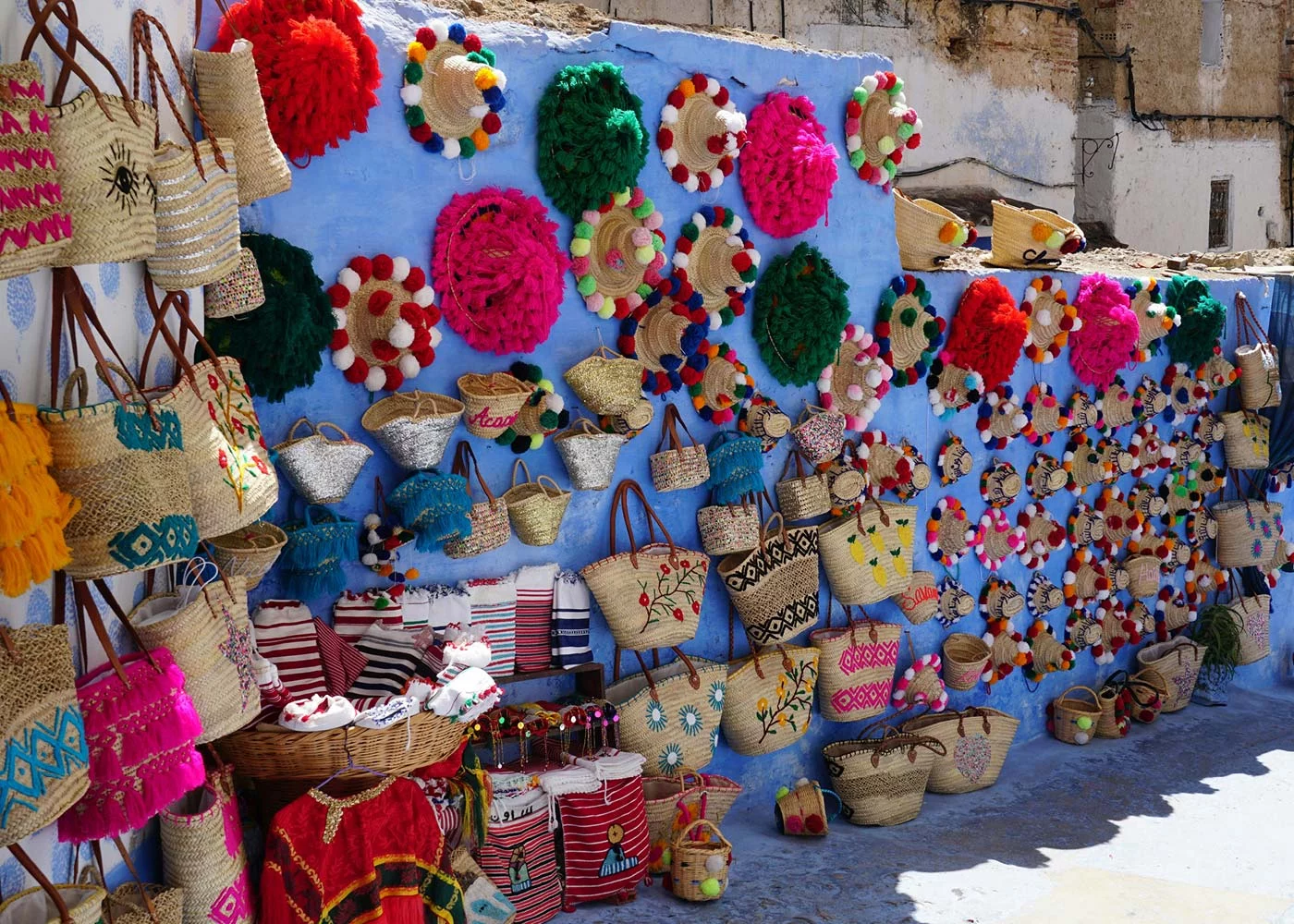
Situated at 600 metres above sea level between the mountains Djebel Kelaa and Djebel Megou, the city of Chefchaouen is truly unique. It is famous for its blue-and-whitewashed houses in Andalusian style. Founded in the 15th century by Muslim refugees from Andalusia, the city prospered through trade between Tétouan and Fès.
For a long time, Chefchaouen remained largely closed to outsiders – only Muslims were allowed to enter the Holy City, which helped preserve its distinctive character. The medina dates almost entirely from the 15th century, and its unique architecture combined with the ever-present shades of blue makes it a place that simply must be experienced. The name Chefchaouen translates roughly as ‘look at the horns,’ referring to the two mountain peaks surrounding the town. The atmosphere is calm and relaxed: visitors wander through blue alleyways, enjoy the peaceful scenery, sip mint tea in the shade of olive trees, and savour couscous in the small local restaurants.
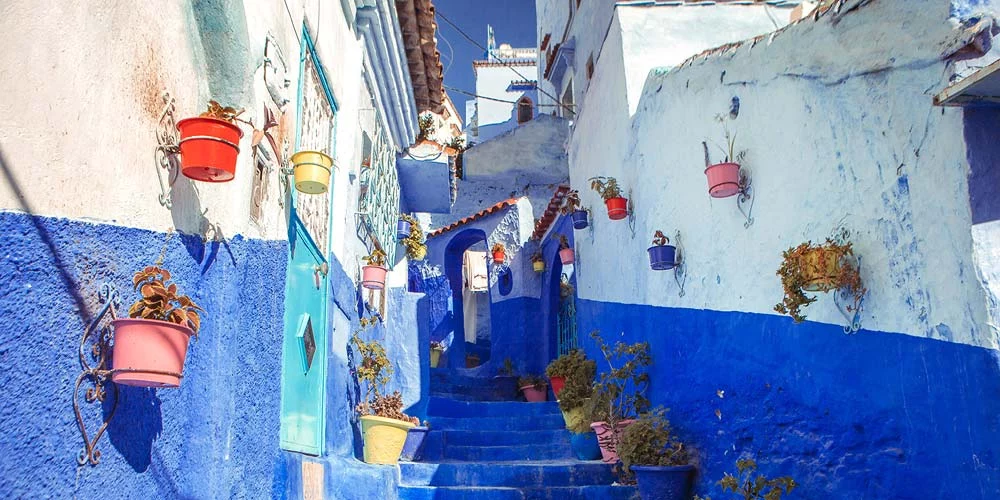
Medina: idyllic and romantic
The azure-blue medina of Chefchaouen, home to around 45,000 residents, is considered one of the most beautiful historic towns in Africa. According to legend, the blue colour protects against the ‘evil eye’.
At an altitude of 600 metres, in fresh and clear mountain air, you’ll discover a charming labyrinth of narrow alleyways, small squares, blue-and-whitewashed houses and mosques. The scent of freshly baked bread and tajine prepared in wood-fired ovens fills the air.
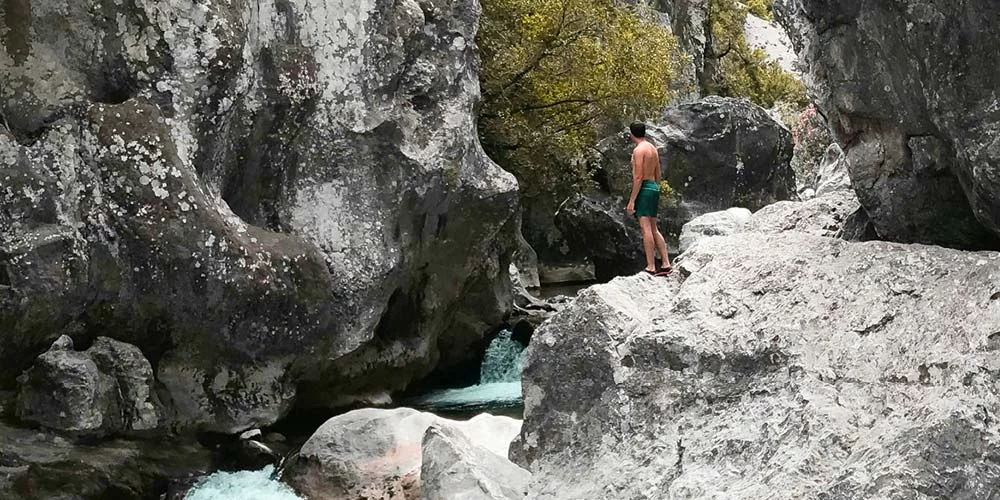
Waterfalls and the bridge of God
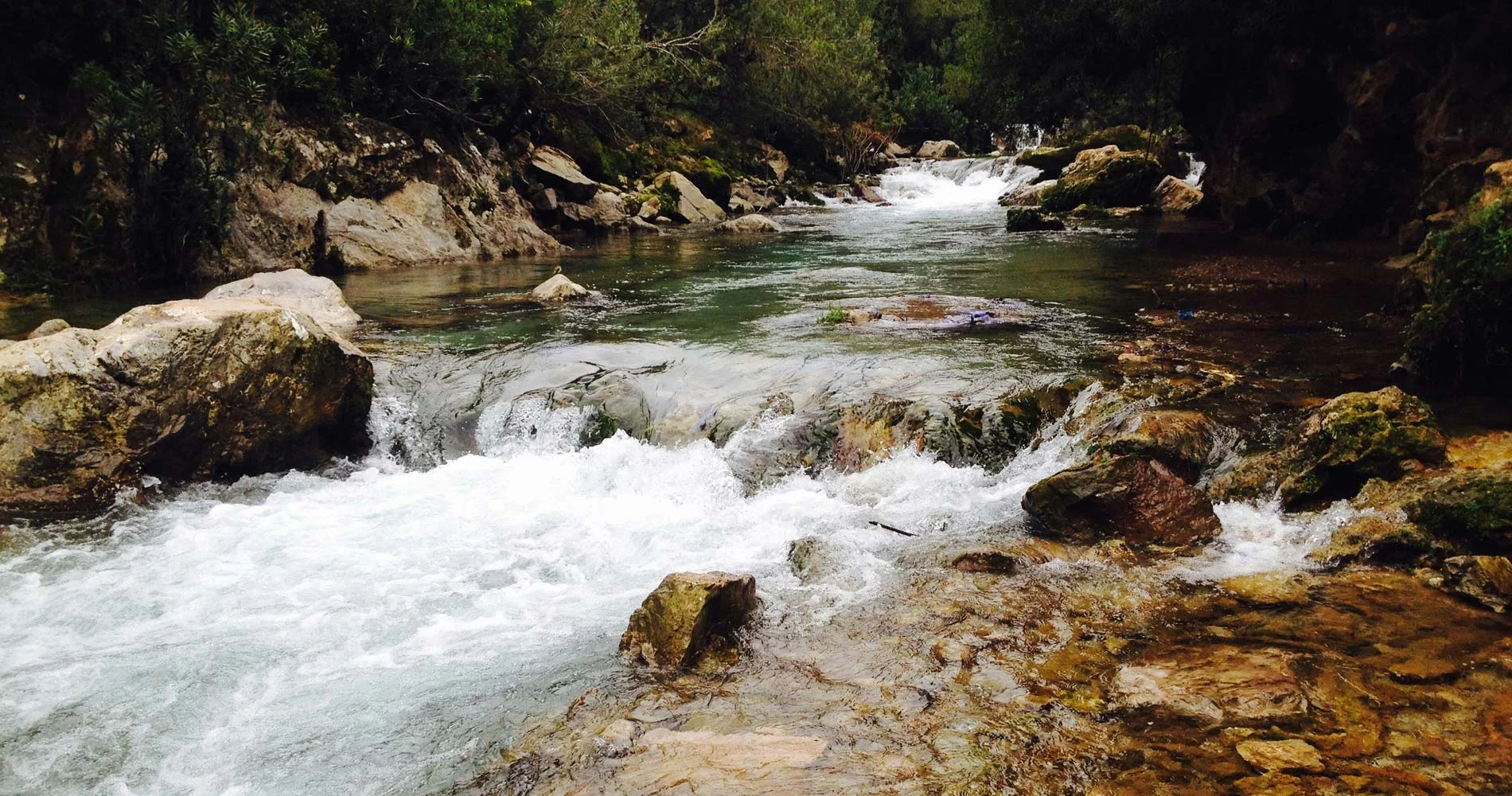
The impressive Akchour Waterfalls are set in a lush mountain landscape of pine forests and fragrant cedar trees. Along a narrow gorge, a small crystal-clear river accompanies the path. One highlight is the famous Bridge of God, a natural rock arch. At the end of the trail, picturesque waterfalls and cool natural pools await – perfect for a refreshing swim surrounded by spectacular nature.
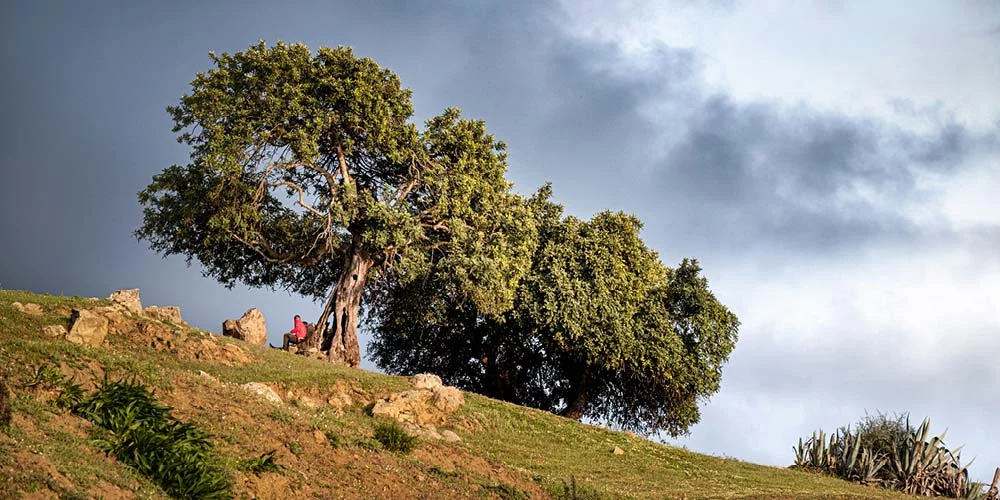
Hiking, cycling & mule trekking
The Bouhachem and Talassemtane regions are among the most breathtaking and best-preserved natural areas in Morocco, home to some of the country’s most beautiful forests.
At the foothills of the Rif Mountains, you can enjoy gentle walks or more challenging summit hikes, hidden adventurous trails, mountain biking routes, or mule trekking along unpaved paths, passing small villages such as Mansoura or Zaouiya.
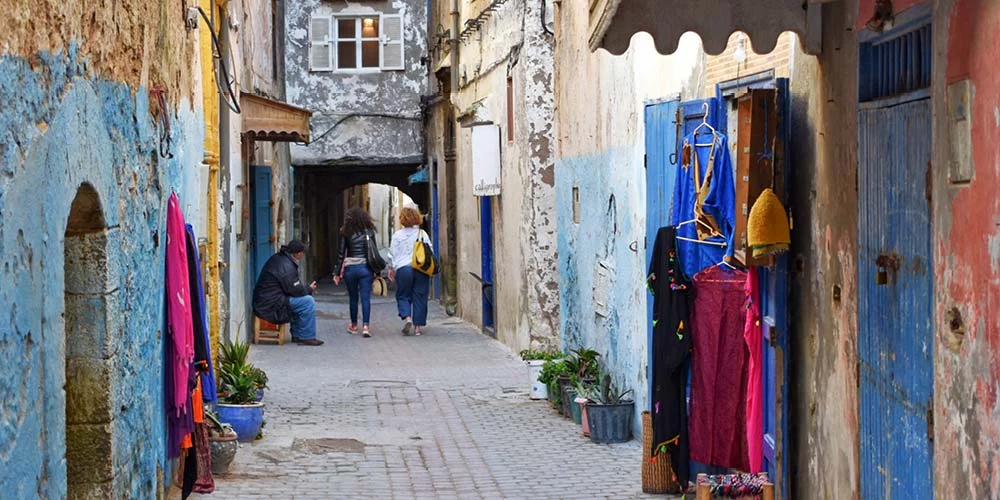
Tradition and craftsmanship
Next to the lively Place Outa el Hammam, the souks begin – especially famous for their wool weaving and handmade blankets, carpets and djellabas, the traditional tunic-like garment. The small blue city of Chefchaouen is rightly known as a centre of traditional craftsmanship. The Ethnographic Museum of Moroccan Folk Art is also well worth a visit.
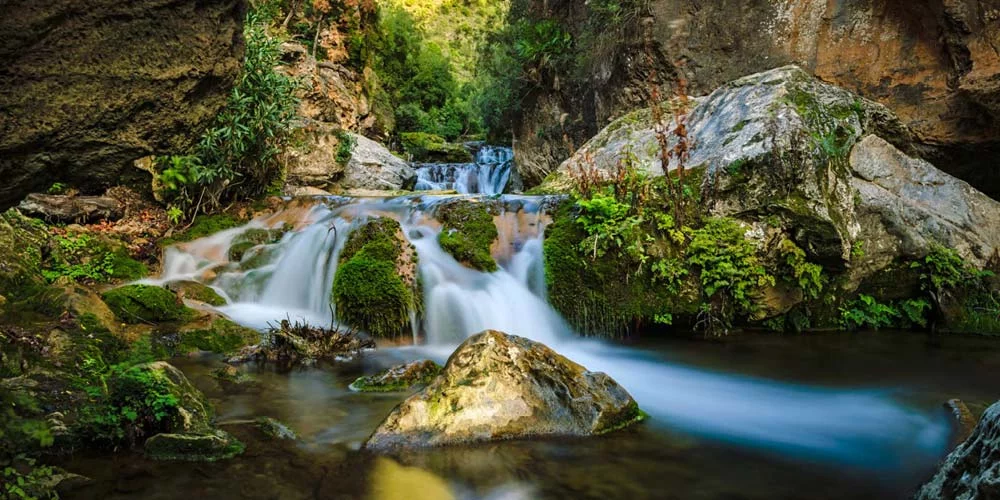
Talassemtane National Park
Just 12 km from the city, at the foothills of the Rif Mountains, begins the Talassemtane National Park. Dominated by evergreen cedar, fir and cork oak forests, the park is home to nearly 1,400 plant species and more than 100 bird species. You may also spot Barbary macaques here with a bit of luck. Short walks and multi-day trekking tours offer unforgettable experiences in nature.
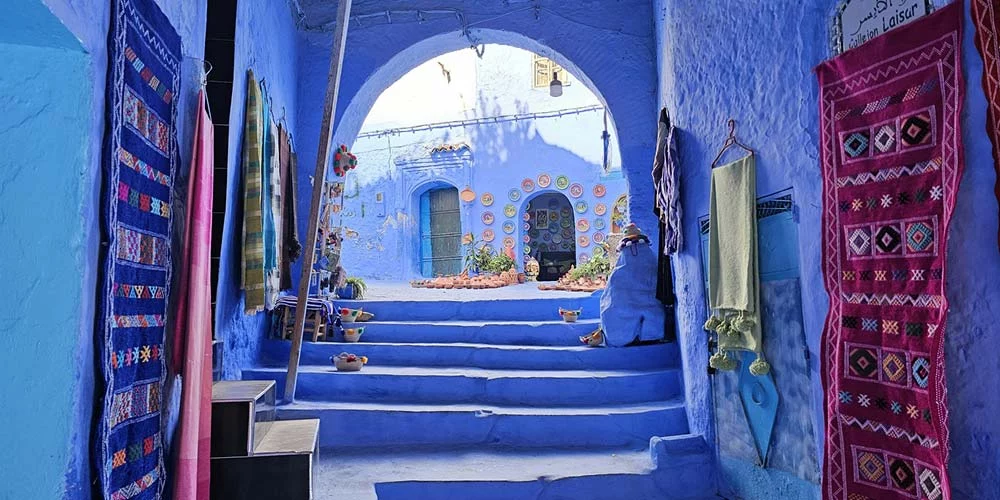
The carpet alley
From Avenue Hassan I, a small street opens northwards where carpet traders display their goods along the entire lane. To the east, you’ll find a wool weaving workshop producing carpets, blankets and the brown djellabas traditionally worn by people of the Rif region. In these lively streets, you will also encounter artisan workshops working with leather and cedar wood.
Explore the surroundings
Explore the surroundings
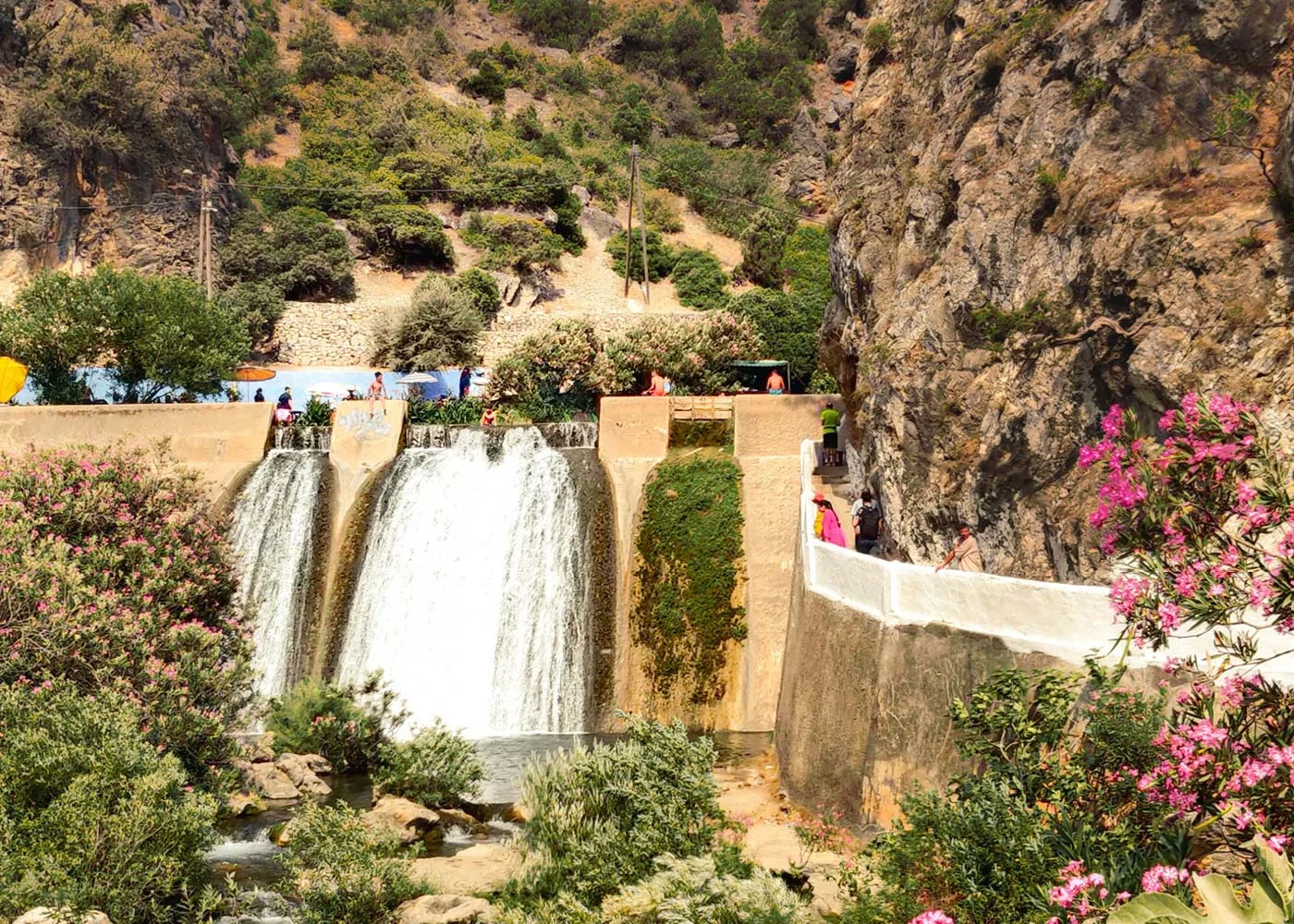
Akchour Waterfalls
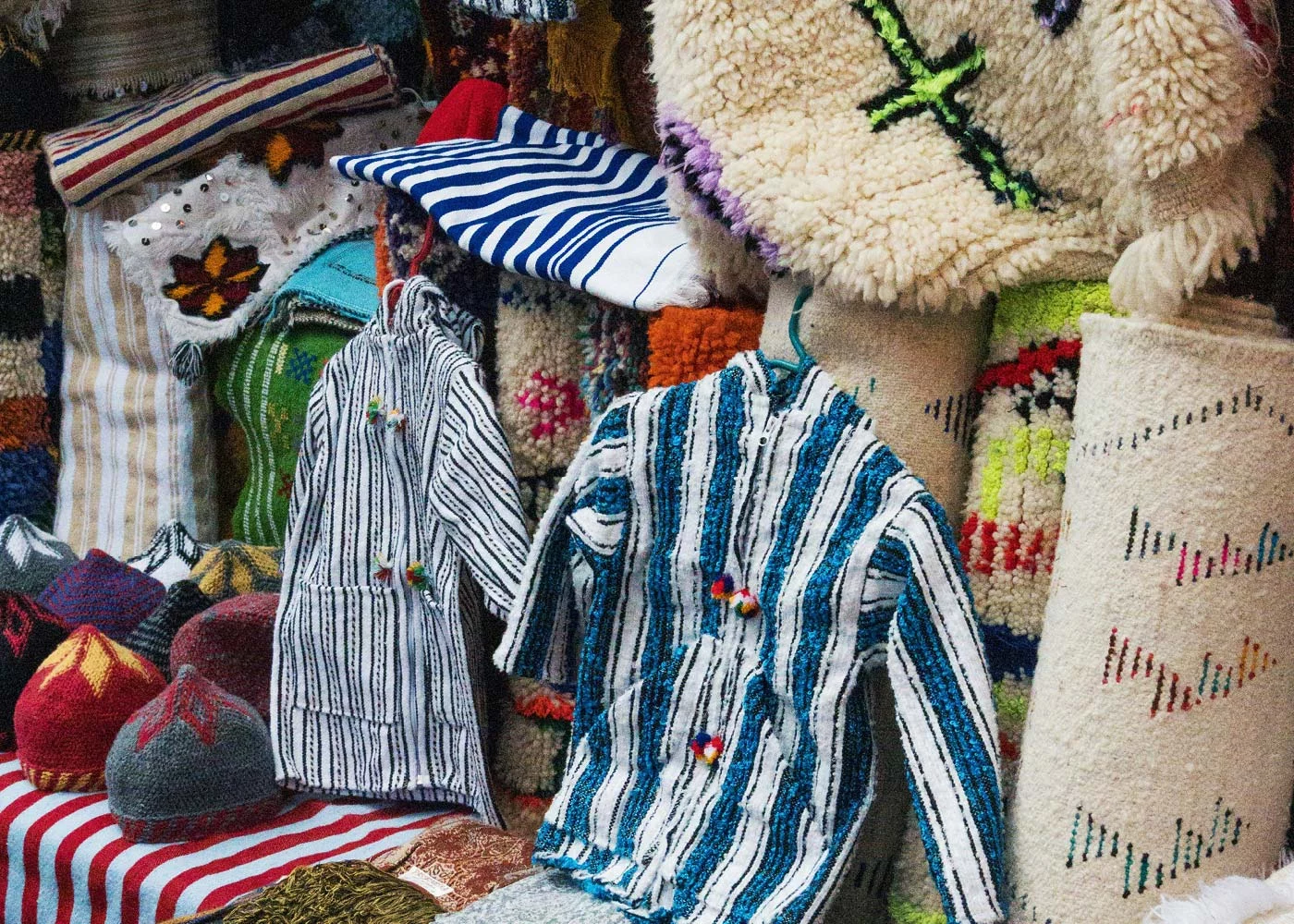
Dar Moulay Idriss (Wool Weaving Workshop)
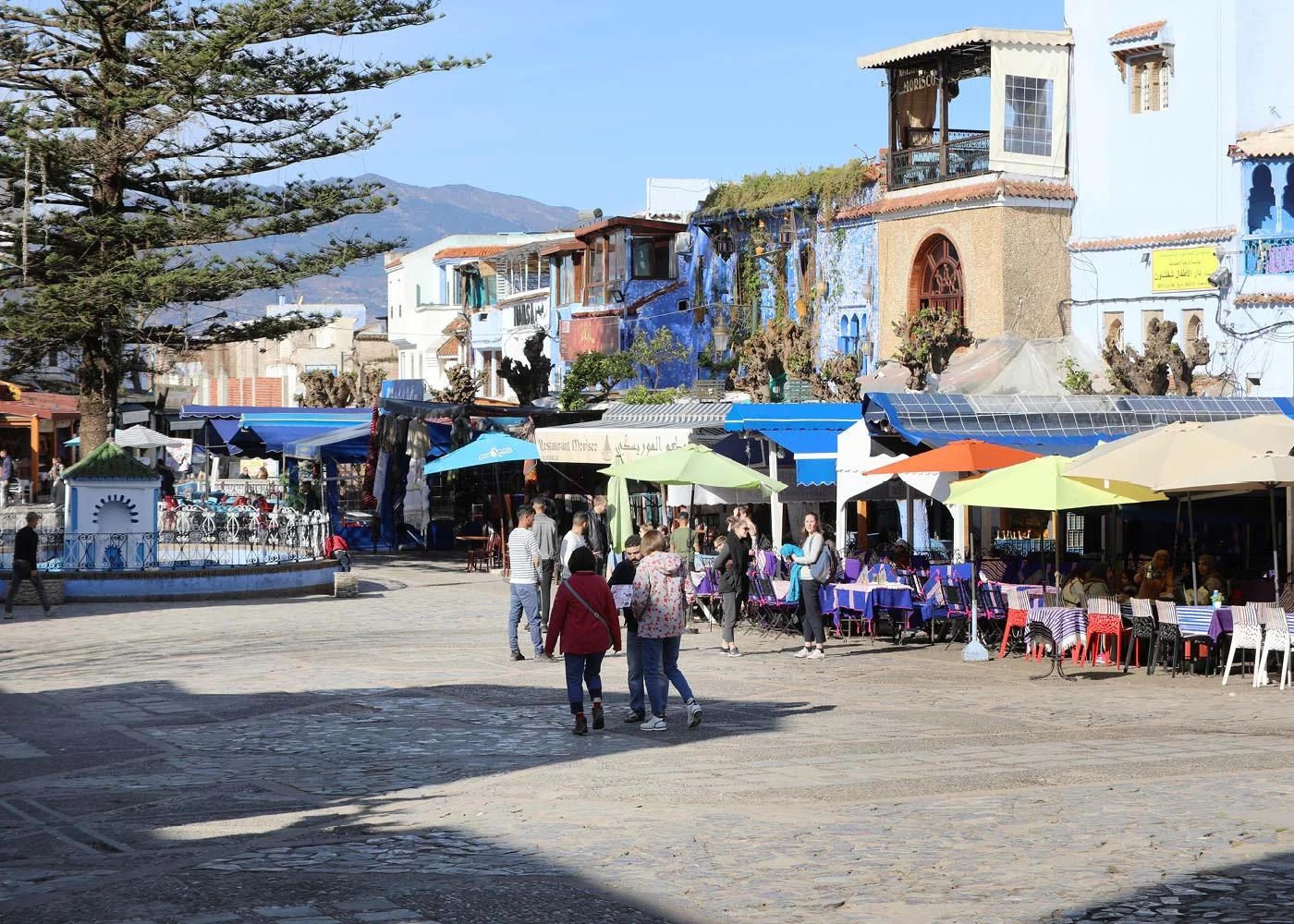
Uta el-Hammam Square
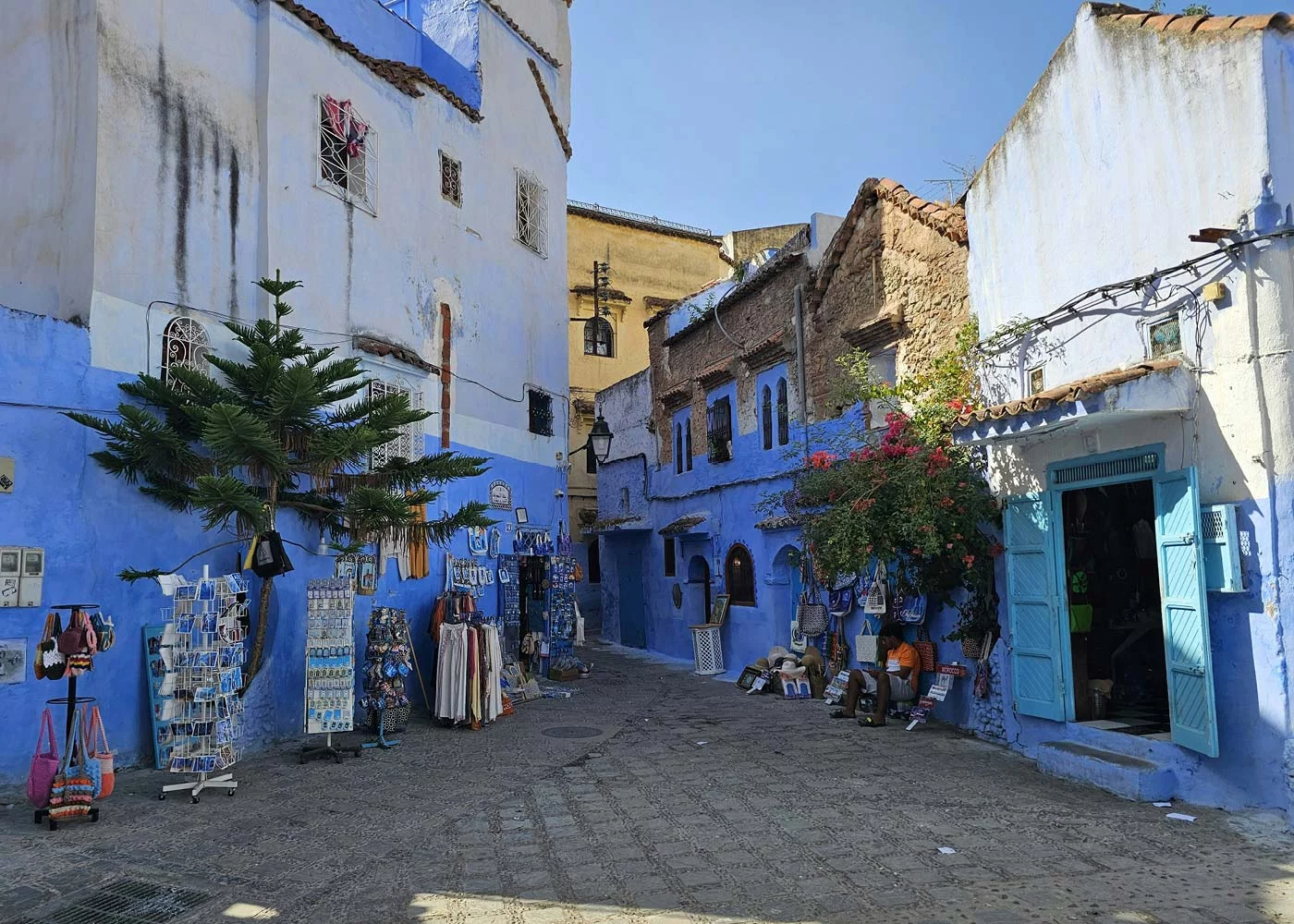
The Medina
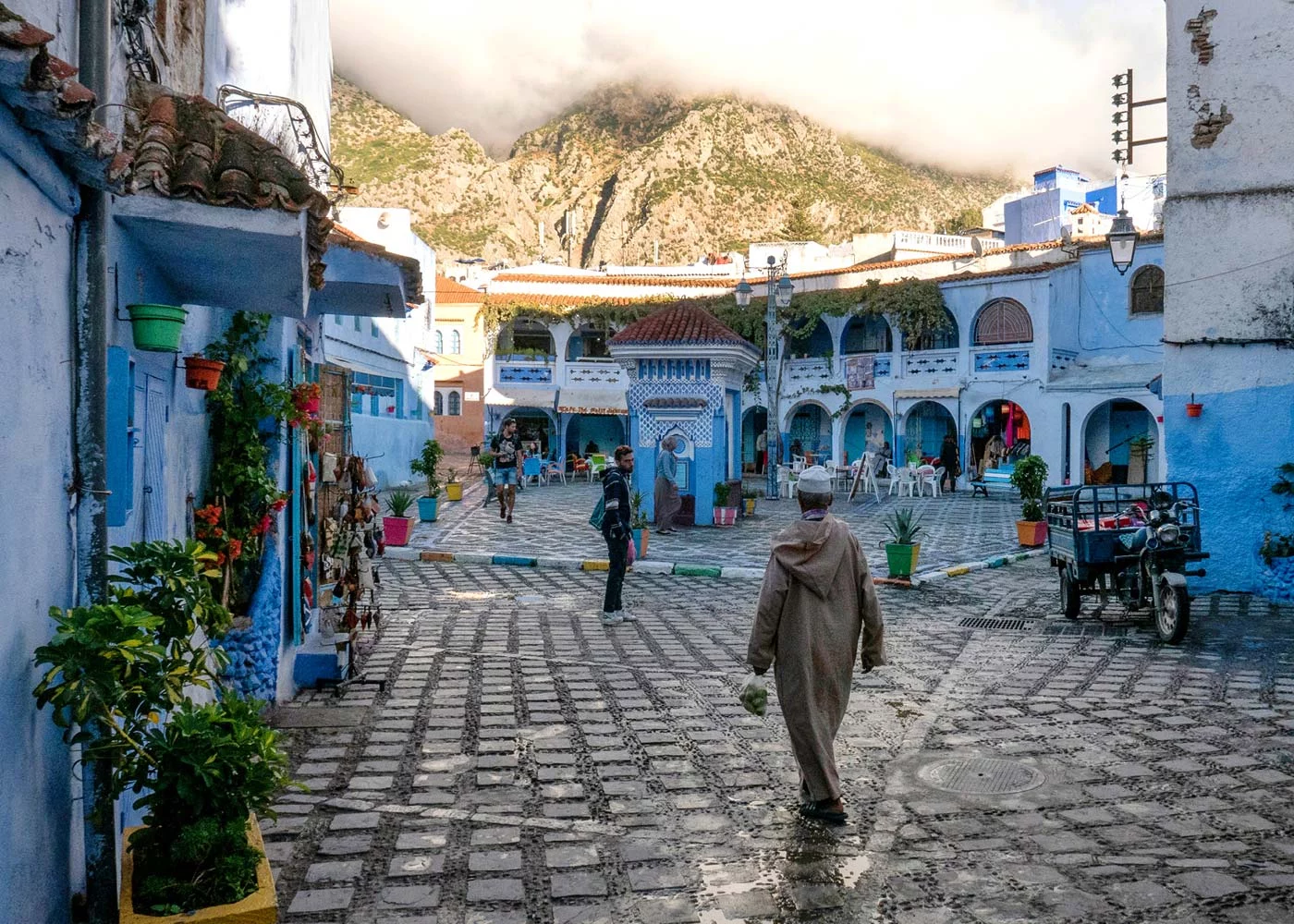
Place el Haouta
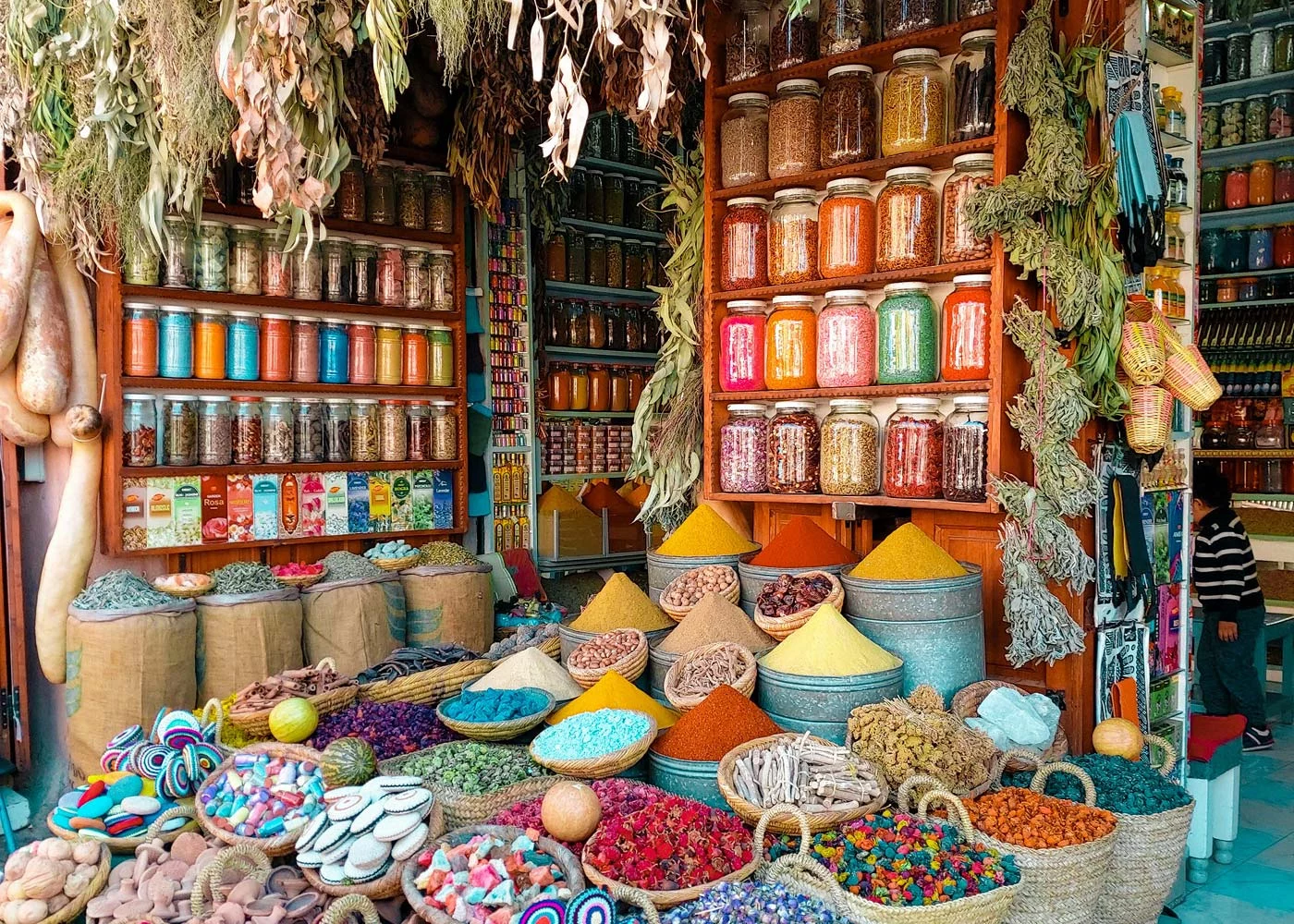
Market Square / Ville Nouvelle (New Town)
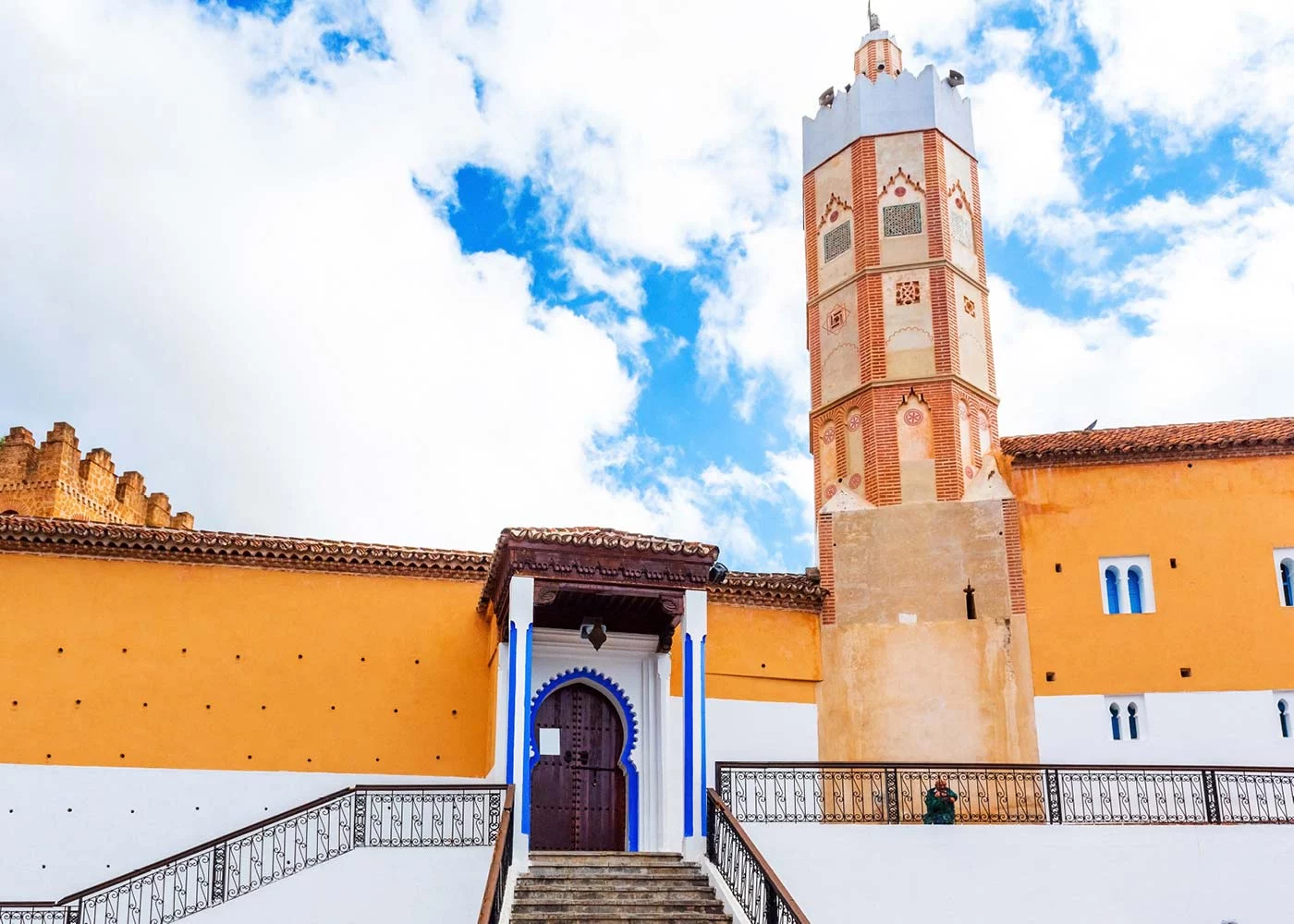
Bouzafer Mosque
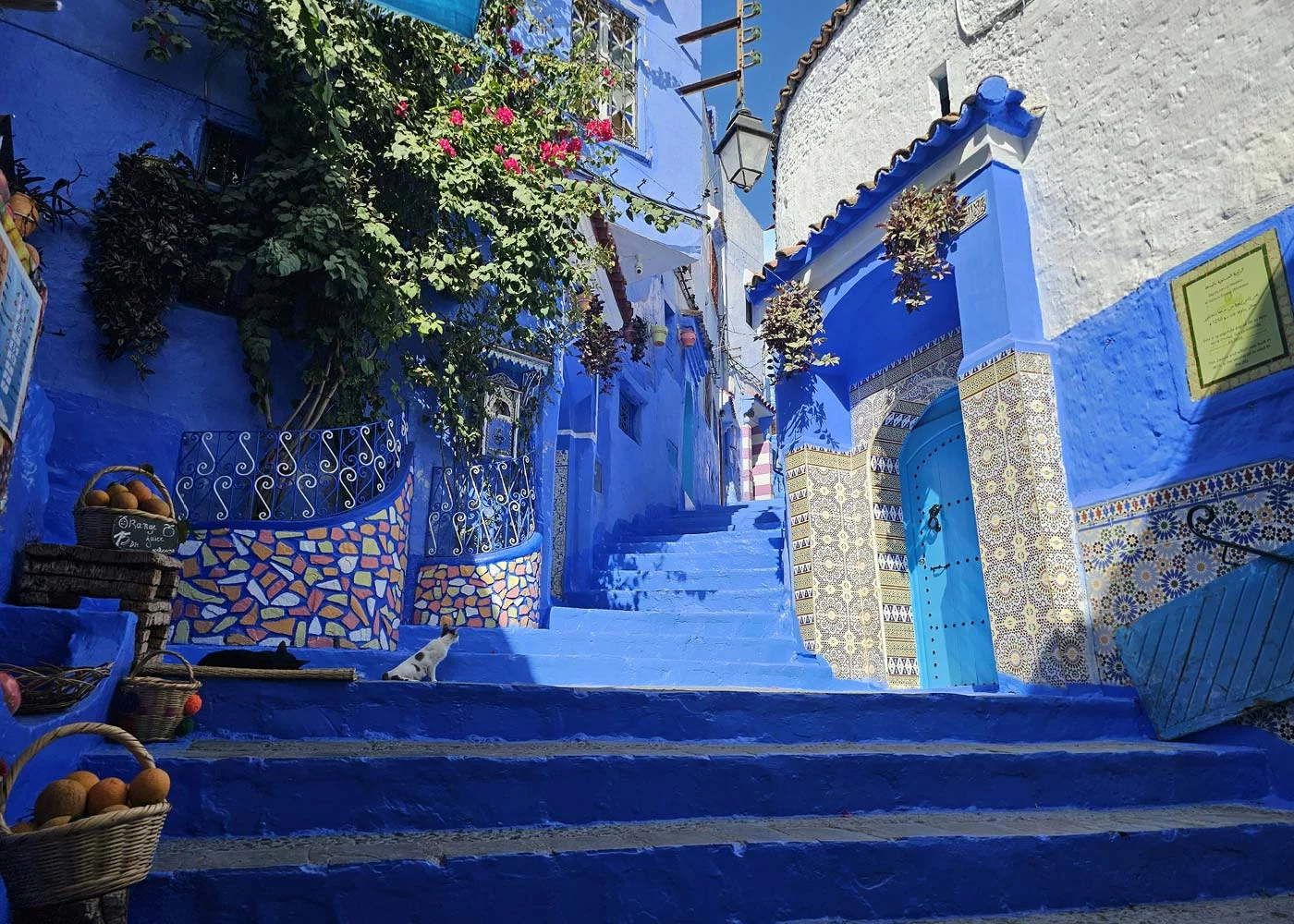
The Blue Staircase / El Assri Alley
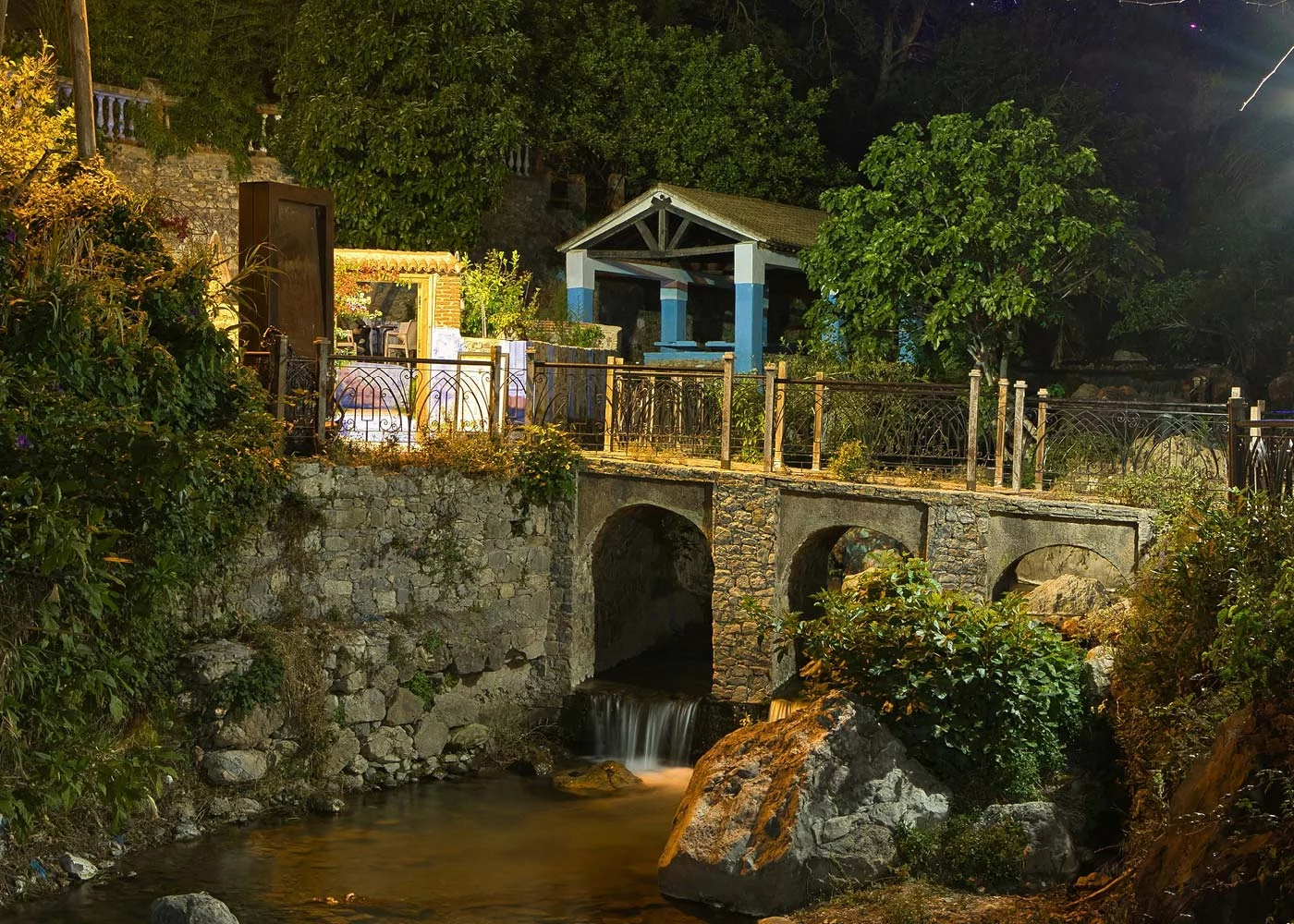
Ras El Ma Spring
Our Pur Life Maroc concierge service offers tailor-made travel experiences designed around your wishes. Discover the most beautiful and authentic sides of Morocco up close, guided by our local experts and Pur Life insiders. Immerse yourself in your own personal Pur Life Maroc journey.
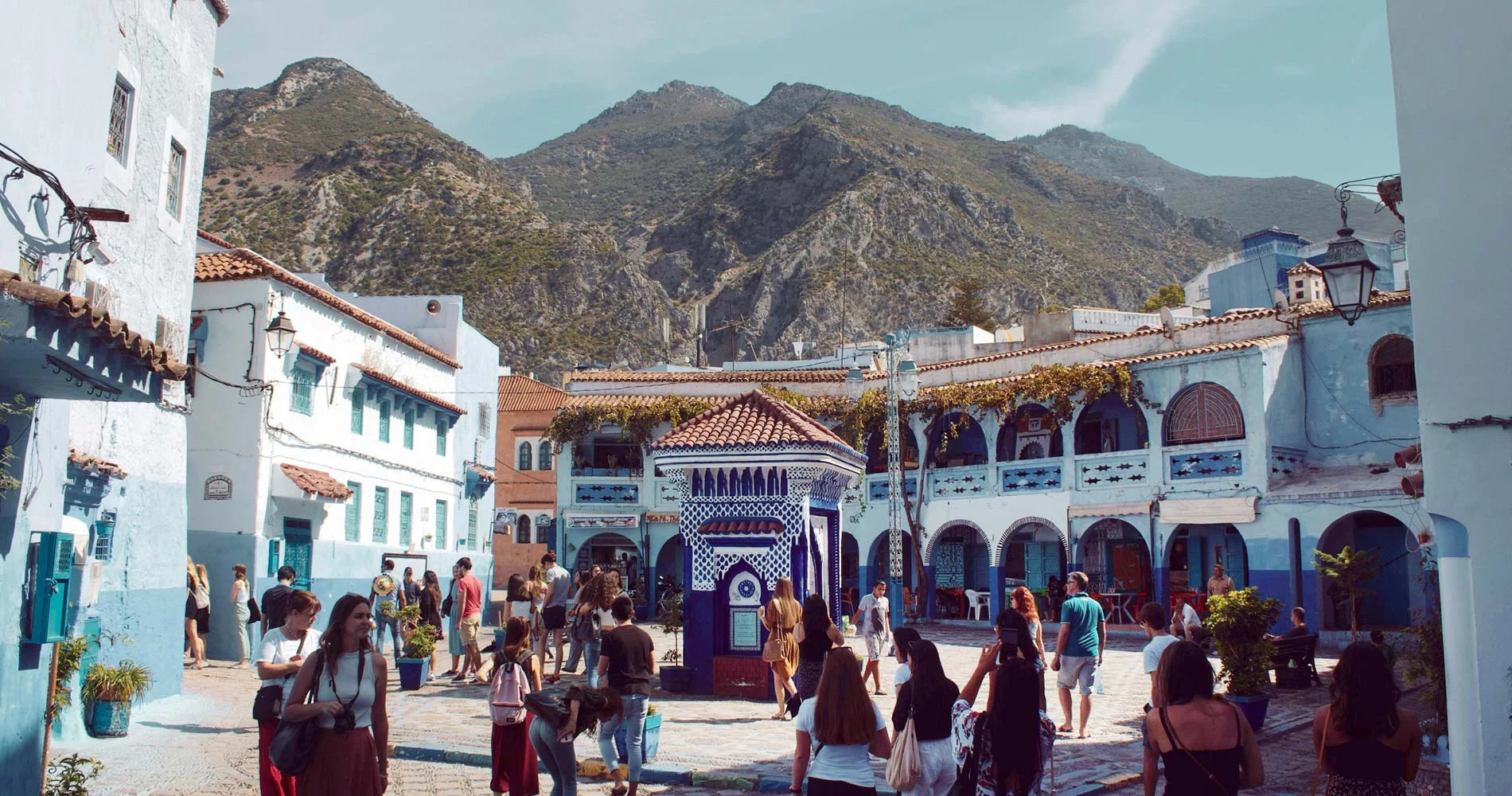
Let yourself be enchanted by the famous Blue City. Your guided walking tour begins in the charming historic centre, followed by a stroll through the picturesque Spanish quarter. Explore the old medina, passing Place Outa Hammam, the Kasbah with its ethnographic museum, the Grand Mosque, and many other highlights.
About 30 km from Chefchaouen, the breathtaking Akchour Waterfalls lie near the village of the same name. Accompanied by your local guide, enjoy a 3–4 hour hike through stunning natural scenery with waterfalls, natural pools perfect for jumping and swimming, and lush landscapes. Along the way, you will also pass the famous God's Bridge, an impressive natural rock arch.
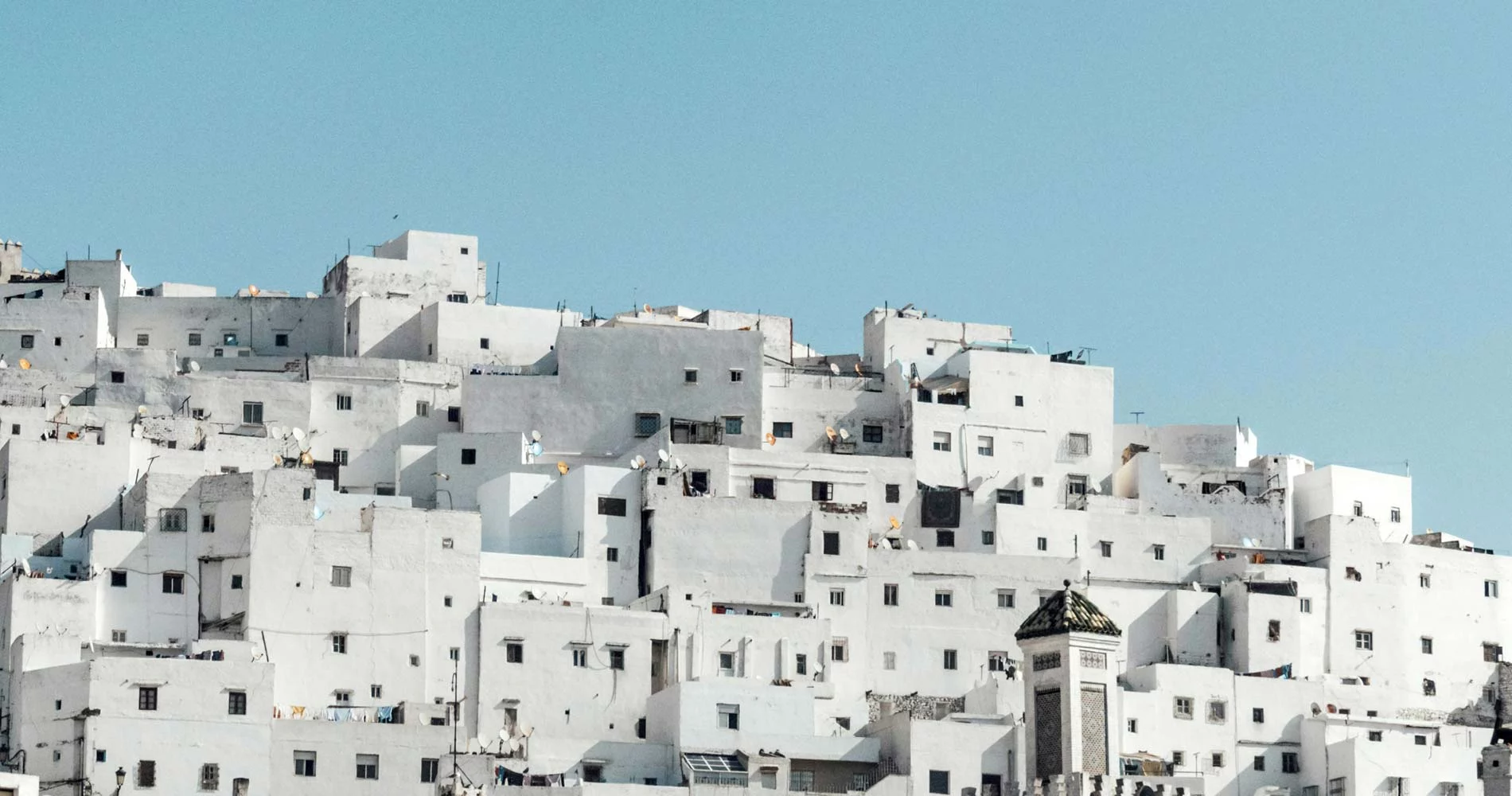
The charming medina of Tetouan is a UNESCO World Heritage Site. Your guide will lead you to the city's most beautiful landmarks, including the famous Hassan II Square and the historic city gates Bab Medina and Bab Soltan. Depending on your interests, you may visit the Archaeological Museum, the Great Mosque, the Mellah (Tetouan's historic Jewish quarter), or enjoy a scenic walk through the surrounding area.
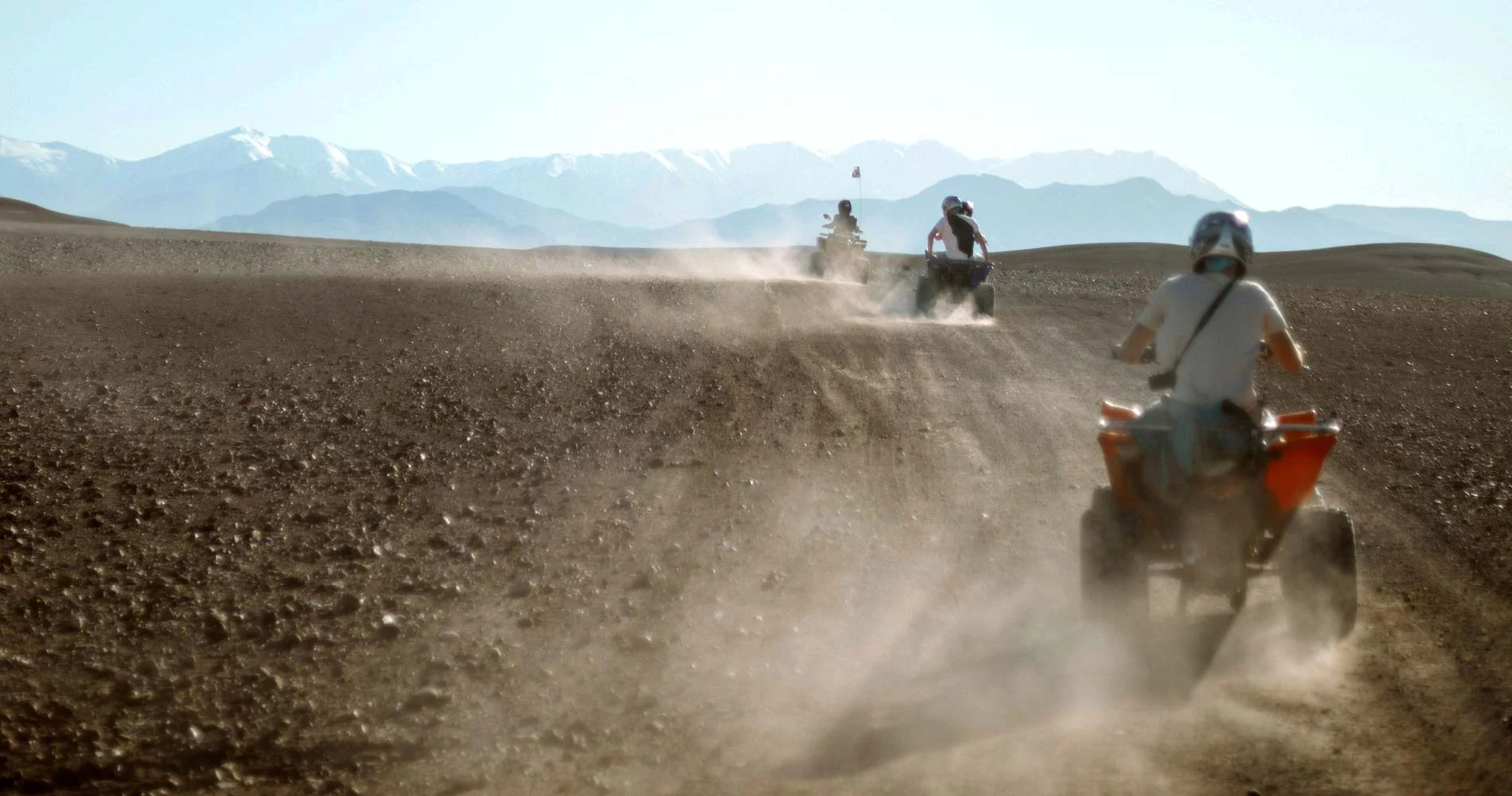
Discover the landscapes at the edge of the Rif Mountains in an adventurous way. Riding a quad, you will travel through mountains, forests and valleys around Chefchaouen. Your guide will lead you safely along varied off-road trails to scenic viewpoints offering spectacular panoramas of the Blue City and the surrounding mountains. After a short briefing, the tour is suitable for both beginners and experienced riders who enjoy more challenging terrain.