Good to know
Morocco is a destination full of contrasts, traditions and unique cultural nuances. Knowing a few key things in advance can make your journey smoother, more enjoyable and even more enriching. From local customs and practical tips to small details that make a big difference – here you’ll find everything worth knowing before and during your stay.

Practical travel information
From travelling to Morocco to returning home
- Visa requirement: No visa needed for European countries. All others should check with your local Moroccan consulate
- Travel documents: Passport
- Passport validity: At least six months from date of arrival (recommended)
The people of Morocco speak Moroccan Arabic (Darija) and a number of Berber languages. French is the country’s second language and is spoken by most Moroccans. In many areas, you will be able to get by in English. However, learning a few Arabic words makes a good impression on the friendly locals and helps you gain a deeper insight into their culture.
Yallah – Let’s go!
Good day – Nhark mbrouk
Goodbye – Bslama
Please – Affak
Thank you – Shukran
Yes – Iyyeh
No – La
Making calls from Morocco to Europe can be expensive, particularly from a mobile! Ask your mobile provider about roaming charges before leaving for your trip. To make cheaper calls, you can purchase phone cards from companies such as Maroc Telecom. These are available from all post offices (La Poste) and can be used in public phone booths. Morocco also has many téléboutiques with coin-operated telephones and internet access. You could also visit an internet café or simply use the Wi-Fi in your hotel.
Note: You will need to enable international roaming on your mobile and connect it to the Moroccan network.
Morocco offers an endless kaleidoscope of captivating images! Always remember that it’s respectful to ask before taking a snap of a Moroccan person. Do not take photos of people who are praying, or anyone in uniform. Official buildings (indicated by the Moroccan flag) and strategically important buildings such as military facilities must not be photographed. If in doubt, just ask!
Stamps and postcards can be purchased from any tobacconist.
Most shops are open every day from morning to evening. Opening times are only restricted during Ramadan and in the week after Eid al-Adha, the ‘Festival of Sacrifice’.
Cash machines are the best option, or you can visit a currency exchange to swap your euros for dirham.
The country’s official religion is Islam, and almost 99% of the population is Muslim. Local customs and practices should be respected in all religious places. Accordingly, options in restaurants and bars will be limited. Opening times at tourist attractions may also change.
Note: Only Muslims are permitted to enter mosques.
In keeping with the local culture and religion, overly revealing clothes should be avoided when you’re sightseeing or strolling around town.
In keeping with the local religion, it is recommended that you do not consume alcohol in public. However, many hotels and restaurants do serve alcoholic drinks.
Do not drink water from the tap while visiting Morocco. You will be able to purchase mineral water wherever you go.
Global health insurance is essential for any trip abroad and can save you from high costs and serious problems. We therefore recommend that you take out an appropriate insurance policy before your trip. Travelling Morocco without insurance isn’t worth the risk. It doesn’t have to be expensive and can be completed online!
You don’t have to have any special vaccinations for Morocco, but we recommend vaccinating against Hepatitis A and B, polio, diphtheria and tetanus. Depending on the type of holiday, it may also be worth getting a rabies jab. Make sure to consult your doctor or pharmacist in good time.
Morocco is a safe country with a high police presence – including on the roads, where they perform frequent traffic checks.
All journeys are run as private, individual tours. You’ll travel exclusively with your own travelling companions and your personal guide.
No. The Agafay is a stone desert, and its appeal lies in its vastness, its stillness and its captivating quality of light. Its scenery differs markedly from the sand dunes of the Sahara.
Yes. Together with your Private Concierge, we tailor the accommodation, experiences and additional services to your personal wishes.
Yes. It combines the cultural highlights of Marrakesh with the stillness of the Agafay, making it ideal for guests who want to discover Morocco in a stylish and relaxed way.
Light, comfortable clothing for the day, along with a light jacket for the cooler evenings in the Agafay desert.
All journeys are conducted as private, individual trips. You travel exclusively with your own companions and your personal guide.
This journey in the heart of the Imperial Cities deliberately leaves room for encounters – with artisans, traders and locals.
Yes. Together with your Private Concierge, we tailor accommodation, experiences and additional services to your wishes – right down to individual luxury upgrades.
Yes. It brings together the cultural highlights of all four Imperial Cities and is ideal for guests who wish to discover Morocco in all its historical depth.
Comfortable shoes for longer walks in the medinas, light clothing for the day and a light jacket for cooler evenings.
Every itinerary is offered as a private tailor-made journey. You will travel exclusively with your chosen companions, accompanied by your own private guides and dedicated chauffeur.
This itinerary has been thoughtfully designed to balance discovery with comfort. Each destination is given the time it deserves, allowing you to enjoy carefully curated experiences – particularly in Marrakesh and Fes – rather than simply passing through.
Absolutely. Your dedicated Pur Life Maroc Private Concierge can tailor your accommodation, experiences, dining reservations and additional services to suit your individual preferences.
Yes. It is an ideal introduction to Morocco, bringing together all four Imperial Cities and Casablanca in one seamless luxury journey while offering a rich insight into the country’s history, culture and contemporary lifestyle.
Comfortable walking shoes are recommended for exploring the historic medinas, along with lightweight clothing for daytime and a light jacket or shawl for cooler evenings.
All journeys are run as private, individual trips. You travel exclusively with your own companions; transfers and agreed guided tours are arranged individually for you.
It combines significant places with deliberate Slow Travel and insights away from the tourist trail. Scenic legs, encounters and time for sensory experience are as much a part of the journey as guided discoveries.
The legs into and out of the Sahara are longer, but they lead through extraordinary landscapes. They are deliberately part of the travel experience and are broken up by carefully chosen stops. You gather impressions and experience unique contrasts.
Yes. Accommodation, experiences, activity level and free time are tailored individually to your wishes; additional nights at the various stops are also possible.
Sturdy footwear, sun protection and clothing suited to the climate are recommended. In the desert, the difference in temperature between day and night can be considerable. After booking your journey, you will receive a comprehensive packing list.
A Private Concierge or tour guide who accompanies you throughout the entire journey can be added optionally. They coordinate the Private Chauffeur and organise your whole daily schedule.
All Pur Life Maroc journeys are conducted as private, individual trips. You travel exclusively with your own companions. The programme and the guides are curated exclusively for you.
The journey’s programme is curated individually and tailored to your wishes. All included experiences are clearly set out in your personal offer.
No. Safi is deliberately conceived as an unguided leisure stop – with free time for ceramics and craftsmanship, a stroll through town and lunch at your own pace. A guided tour can be arranged on request.
Yes. The journey is designed from six nights and can be extended individually in Oualidia, at the selected Desert Hideaway in the Agafay, or in Marrakech.
Yes. This journey can be enhanced with your chosen experiences and shaped into your personal honeymoon or anniversary dream trip.
You can optionally add a Private Concierge who accompanies you throughout the entire journey. They coordinate the Private Chauffeur and organise your entire daily schedule.
No. Before every drive you are given a briefing, and experienced guides accompany the tour. Route, vehicle and pace are matched to your ability.
Solid basic fitness is enough. The 4×4 and buggy call above all for concentration; the quad bike, e-bike and hike ask more of the body. Together with us, you choose the intensity that suits you.
Both are possible, depending on the chosen activity: at the wheel yourself, taking turns in pairs, or chauffeured with a guide. We clarify the specific requirements before booking.
Autumn, winter and spring usually offer pleasant conditions for activities in Agafay. In the hot summer, we prefer to schedule tours for the early morning and late afternoon.
Yes. The programme can be designed for groups of friends, private groups and teams – from a shared track to the long table in the evening.
A briefing, protective equipment suited to the activity, carefully chosen routes and experienced guides are all part of the concept. Intensity and pace are adjusted to experience, fitness and current conditions. As with any outdoor adventure, a residual risk can never be entirely ruled out.
A briefing, protective equipment suited to the activity, carefully chosen routes and experienced guides are all part of the concept. Intensity and pace are adjusted to experience, fitness and current conditions. As with any outdoor adventure, a residual risk can never be entirely ruled out.
A briefing, protective equipment suited to the activity, carefully chosen routes and experienced guides are all part of the concept. Intensity and pace are adjusted to experience, fitness and current conditions. As with any outdoor adventure, a residual risk can never be entirely ruled out.
A briefing, protective equipment suited to the activity, carefully chosen routes and experienced guides are all part of the concept. Intensity and pace are adjusted to experience, fitness and current conditions. As with any outdoor adventure, a residual risk can never be entirely ruled out.
A briefing, protective equipment suited to the activity, carefully chosen routes and experienced guides are all part of the concept. Intensity and pace are adjusted to experience, fitness and current conditions. As with any outdoor adventure, a residual risk can never be entirely ruled out.
A briefing, protective equipment suited to the activity, carefully chosen routes and experienced guides are all part of the concept. Intensity and pace are adjusted to experience, fitness and current conditions. As with any outdoor adventure, a residual risk can never be entirely ruled out.
A briefing, protective equipment suited to the activity, carefully chosen routes and experienced guides are all part of the concept. Intensity and pace are adjusted to experience, fitness and current conditions. As with any outdoor adventure, a residual risk can never be entirely ruled out.
A briefing, protective equipment suited to the activity, carefully chosen routes and experienced guides are all part of the concept. Intensity and pace are adjusted to experience, fitness and current conditions. As with any outdoor adventure, a residual risk can never be entirely ruled out.
A briefing, protective equipment suited to the activity, carefully chosen routes and experienced guides are all part of the concept. Intensity and pace are adjusted to experience, fitness and current conditions. As with any outdoor adventure, a residual risk can never be entirely ruled out.
A briefing, protective equipment suited to the activity, carefully chosen routes and experienced guides are all part of the concept. Intensity and pace are adjusted to experience, fitness and current conditions. As with any outdoor adventure, a residual risk can never be entirely ruled out.
A briefing, protective equipment suited to the activity, carefully chosen routes and experienced guides are all part of the concept. Intensity and pace are adjusted to experience, fitness and current conditions. As with any outdoor adventure, a residual risk can never be entirely ruled out.
A briefing, protective equipment suited to the activity, carefully chosen routes and experienced guides are all part of the concept. Intensity and pace are adjusted to experience, fitness and current conditions. As with any outdoor adventure, a residual risk can never be entirely ruled out.
A briefing, protective equipment suited to the activity, carefully chosen routes and experienced guides are all part of the concept. Intensity and pace are adjusted to experience, fitness and current conditions. As with any outdoor adventure, a residual risk can never be entirely ruled out.
A briefing, protective equipment suited to the activity, carefully chosen routes and experienced guides are all part of the concept. Intensity and pace are adjusted to experience, fitness and current conditions. As with any outdoor adventure, a residual risk can never be entirely ruled out.
A briefing, protective equipment suited to the activity, carefully chosen routes and experienced guides are all part of the concept. Intensity and pace are adjusted to experience, fitness and current conditions. As with any outdoor adventure, a residual risk can never be entirely ruled out.
A briefing, protective equipment suited to the activity, carefully chosen routes and experienced guides are all part of the concept. Intensity and pace are adjusted to experience, fitness and current conditions. As with any outdoor adventure, a residual risk can never be entirely ruled out.
A briefing, protective equipment suited to the activity, carefully chosen routes and experienced guides are all part of the concept. Intensity and pace are adjusted to experience, fitness and current conditions. As with any outdoor adventure, a residual risk can never be entirely ruled out.
A briefing, protective equipment suited to the activity, carefully chosen routes and experienced guides are all part of the concept. Intensity and pace are adjusted to experience, fitness and current conditions. As with any outdoor adventure, a residual risk can never be entirely ruled out.
A briefing, protective equipment suited to the activity, carefully chosen routes and experienced guides are all part of the concept. Intensity and pace are adjusted to experience, fitness and current conditions. As with any outdoor adventure, a residual risk can never be entirely ruled out.
A briefing, protective equipment suited to the activity, carefully chosen routes and experienced guides are all part of the concept. Intensity and pace are adjusted to experience, fitness and current conditions. As with any outdoor adventure, a residual risk can never be entirely ruled out.
A briefing, protective equipment suited to the activity, carefully chosen routes and experienced guides are all part of the concept. Intensity and pace are adjusted to experience, fitness and current conditions. As with any outdoor adventure, a residual risk can never be entirely ruled out.
A briefing, protective equipment suited to the activity, carefully chosen routes and experienced guides are all part of the concept. Intensity and pace are adjusted to experience, fitness and current conditions. As with any outdoor adventure, a residual risk can never be entirely ruled out.
A briefing, protective equipment suited to the activity, carefully chosen routes and experienced guides are all part of the concept. Intensity and pace are adjusted to experience, fitness and current conditions. As with any outdoor adventure, a residual risk can never be entirely ruled out.
A briefing, protective equipment suited to the activity, carefully chosen routes and experienced guides are all part of the concept. Intensity and pace are adjusted to experience, fitness and current conditions. As with any outdoor adventure, a residual risk can never be entirely ruled out.
A briefing, protective equipment suited to the activity, carefully chosen routes and experienced guides are all part of the concept. Intensity and pace are adjusted to experience, fitness and current conditions. As with any outdoor adventure, a residual risk can never be entirely ruled out.
A briefing, protective equipment suited to the activity, carefully chosen routes and experienced guides are all part of the concept. Intensity and pace are adjusted to experience, fitness and current conditions. As with any outdoor adventure, a residual risk can never be entirely ruled out.
A briefing, protective equipment suited to the activity, carefully chosen routes and experienced guides are all part of the concept. Intensity and pace are adjusted to experience, fitness and current conditions. As with any outdoor adventure, a residual risk can never be entirely ruled out.
A briefing, protective equipment suited to the activity, carefully chosen routes and experienced guides are all part of the concept. Intensity and pace are adjusted to experience, fitness and current conditions. As with any outdoor adventure, a residual risk can never be entirely ruled out.
A briefing, protective equipment suited to the activity, carefully chosen routes and experienced guides are all part of the concept. Intensity and pace are adjusted to experience, fitness and current conditions. As with any outdoor adventure, a residual risk can never be entirely ruled out.
A briefing, protective equipment suited to the activity, carefully chosen routes and experienced guides are all part of the concept. Intensity and pace are adjusted to experience, fitness and current conditions. As with any outdoor adventure, a residual risk can never be entirely ruled out.
A briefing, protective equipment suited to the activity, carefully chosen routes and experienced guides are all part of the concept. Intensity and pace are adjusted to experience, fitness and current conditions. As with any outdoor adventure, a residual risk can never be entirely ruled out.
A briefing, protective equipment suited to the activity, carefully chosen routes and experienced guides are all part of the concept. Intensity and pace are adjusted to experience, fitness and current conditions. As with any outdoor adventure, a residual risk can never be entirely ruled out.
A briefing, protective equipment suited to the activity, carefully chosen routes and experienced guides are all part of the concept. Intensity and pace are adjusted to experience, fitness and current conditions. As with any outdoor adventure, a residual risk can never be entirely ruled out.
A briefing, protective equipment suited to the activity, carefully chosen routes and experienced guides are all part of the concept. Intensity and pace are adjusted to experience, fitness and current conditions. As with any outdoor adventure, a residual risk can never be entirely ruled out.
A briefing, protective equipment suited to the activity, carefully chosen routes and experienced guides are all part of the concept. Intensity and pace are adjusted to experience, fitness and current conditions. As with any outdoor adventure, a residual risk can never be entirely ruled out.
A briefing, protective equipment suited to the activity, carefully chosen routes and experienced guides are all part of the concept. Intensity and pace are adjusted to experience, fitness and current conditions. As with any outdoor adventure, a residual risk can never be entirely ruled out.
A briefing, protective equipment suited to the activity, carefully chosen routes and experienced guides are all part of the concept. Intensity and pace are adjusted to experience, fitness and current conditions. As with any outdoor adventure, a residual risk can never be entirely ruled out.
A briefing, protective equipment suited to the activity, carefully chosen routes and experienced guides are all part of the concept. Intensity and pace are adjusted to experience, fitness and current conditions. As with any outdoor adventure, a residual risk can never be entirely ruled out.
A briefing, protective equipment suited to the activity, carefully chosen routes and experienced guides are all part of the concept. Intensity and pace are adjusted to experience, fitness and current conditions. As with any outdoor adventure, a residual risk can never be entirely ruled out.
A briefing, protective equipment suited to the activity, carefully chosen routes and experienced guides are all part of the concept. Intensity and pace are adjusted to experience, fitness and current conditions. As with any outdoor adventure, a residual risk can never be entirely ruled out.
A briefing, protective equipment suited to the activity, carefully chosen routes and experienced guides are all part of the concept. Intensity and pace are adjusted to experience, fitness and current conditions. As with any outdoor adventure, a residual risk can never be entirely ruled out.
A briefing, protective equipment suited to the activity, carefully chosen routes and experienced guides are all part of the concept. Intensity and pace are adjusted to experience, fitness and current conditions. As with any outdoor adventure, a residual risk can never be entirely ruled out.
A briefing, protective equipment suited to the activity, carefully chosen routes and experienced guides are all part of the concept. Intensity and pace are adjusted to experience, fitness and current conditions. As with any outdoor adventure, a residual risk can never be entirely ruled out.
A briefing, protective equipment suited to the activity, carefully chosen routes and experienced guides are all part of the concept. Intensity and pace are adjusted to experience, fitness and current conditions. As with any outdoor adventure, a residual risk can never be entirely ruled out.
A briefing, protective equipment suited to the activity, carefully chosen routes and experienced guides are all part of the concept. Intensity and pace are adjusted to experience, fitness and current conditions. As with any outdoor adventure, a residual risk can never be entirely ruled out.
A briefing, protective equipment suited to the activity, carefully chosen routes and experienced guides are all part of the concept. Intensity and pace are adjusted to experience, fitness and current conditions. As with any outdoor adventure, a residual risk can never be entirely ruled out.
A briefing, protective equipment suited to the activity, carefully chosen routes and experienced guides are all part of the concept. Intensity and pace are adjusted to experience, fitness and current conditions. As with any outdoor adventure, a residual risk can never be entirely ruled out.
A briefing, protective equipment suited to the activity, carefully chosen routes and experienced guides are all part of the concept. Intensity and pace are adjusted to experience, fitness and current conditions. As with any outdoor adventure, a residual risk can never be entirely ruled out.
A briefing, protective equipment suited to the activity, carefully chosen routes and experienced guides are all part of the concept. Intensity and pace are adjusted to experience, fitness and current conditions. As with any outdoor adventure, a residual risk can never be entirely ruled out.
A briefing, protective equipment suited to the activity, carefully chosen routes and experienced guides are all part of the concept. Intensity and pace are adjusted to experience, fitness and current conditions. As with any outdoor adventure, a residual risk can never be entirely ruled out.
A briefing, protective equipment suited to the activity, carefully chosen routes and experienced guides are all part of the concept. Intensity and pace are adjusted to experience, fitness and current conditions. As with any outdoor adventure, a residual risk can never be entirely ruled out.
A briefing, protective equipment suited to the activity, carefully chosen routes and experienced guides are all part of the concept. Intensity and pace are adjusted to experience, fitness and current conditions. As with any outdoor adventure, a residual risk can never be entirely ruled out.
A briefing, protective equipment suited to the activity, carefully chosen routes and experienced guides are all part of the concept. Intensity and pace are adjusted to experience, fitness and current conditions. As with any outdoor adventure, a residual risk can never be entirely ruled out.
A briefing, protective equipment suited to the activity, carefully chosen routes and experienced guides are all part of the concept. Intensity and pace are adjusted to experience, fitness and current conditions. As with any outdoor adventure, a residual risk can never be entirely ruled out.
A briefing, protective equipment suited to the activity, carefully chosen routes and experienced guides are all part of the concept. Intensity and pace are adjusted to experience, fitness and current conditions. As with any outdoor adventure, a residual risk can never be entirely ruled out.
A briefing, protective equipment suited to the activity, carefully chosen routes and experienced guides are all part of the concept. Intensity and pace are adjusted to experience, fitness and current conditions. As with any outdoor adventure, a residual risk can never be entirely ruled out.
A briefing, protective equipment suited to the activity, carefully chosen routes and experienced guides are all part of the concept. Intensity and pace are adjusted to experience, fitness and current conditions. As with any outdoor adventure, a residual risk can never be entirely ruled out.
A briefing, protective equipment suited to the activity, carefully chosen routes and experienced guides are all part of the concept. Intensity and pace are adjusted to experience, fitness and current conditions. As with any outdoor adventure, a residual risk can never be entirely ruled out.
A briefing, protective equipment suited to the activity, carefully chosen routes and experienced guides are all part of the concept. Intensity and pace are adjusted to experience, fitness and current conditions. As with any outdoor adventure, a residual risk can never be entirely ruled out.
A briefing, protective equipment suited to the activity, carefully chosen routes and experienced guides are all part of the concept. Intensity and pace are adjusted to experience, fitness and current conditions. As with any outdoor adventure, a residual risk can never be entirely ruled out.
A briefing, protective equipment suited to the activity, carefully chosen routes and experienced guides are all part of the concept. Intensity and pace are adjusted to experience, fitness and current conditions. As with any outdoor adventure, a residual risk can never be entirely ruled out.
A briefing, protective equipment suited to the activity, carefully chosen routes and experienced guides are all part of the concept. Intensity and pace are adjusted to experience, fitness and current conditions. As with any outdoor adventure, a residual risk can never be entirely ruled out.
A briefing, protective equipment suited to the activity, carefully chosen routes and experienced guides are all part of the concept. Intensity and pace are adjusted to experience, fitness and current conditions. As with any outdoor adventure, a residual risk can never be entirely ruled out.
A briefing, protective equipment suited to the activity, carefully chosen routes and experienced guides are all part of the concept. Intensity and pace are adjusted to experience, fitness and current conditions. As with any outdoor adventure, a residual risk can never be entirely ruled out.
A briefing, protective equipment suited to the activity, carefully chosen routes and experienced guides are all part of the concept. Intensity and pace are adjusted to experience, fitness and current conditions. As with any outdoor adventure, a residual risk can never be entirely ruled out.
A briefing, protective equipment suited to the activity, carefully chosen routes and experienced guides are all part of the concept. Intensity and pace are adjusted to experience, fitness and current conditions. As with any outdoor adventure, a residual risk can never be entirely ruled out.
A briefing, protective equipment suited to the activity, carefully chosen routes and experienced guides are all part of the concept. Intensity and pace are adjusted to experience, fitness and current conditions. As with any outdoor adventure, a residual risk can never be entirely ruled out.
A briefing, protective equipment suited to the activity, carefully chosen routes and experienced guides are all part of the concept. Intensity and pace are adjusted to experience, fitness and current conditions. As with any outdoor adventure, a residual risk can never be entirely ruled out.
A briefing, protective equipment suited to the activity, carefully chosen routes and experienced guides are all part of the concept. Intensity and pace are adjusted to experience, fitness and current conditions. As with any outdoor adventure, a residual risk can never be entirely ruled out.
A briefing, protective equipment suited to the activity, carefully chosen routes and experienced guides are all part of the concept. Intensity and pace are adjusted to experience, fitness and current conditions. As with any outdoor adventure, a residual risk can never be entirely ruled out.
A briefing, protective equipment suited to the activity, carefully chosen routes and experienced guides are all part of the concept. Intensity and pace are adjusted to experience, fitness and current conditions. As with any outdoor adventure, a residual risk can never be entirely ruled out.
A briefing, protective equipment suited to the activity, carefully chosen routes and experienced guides are all part of the concept. Intensity and pace are adjusted to experience, fitness and current conditions. As with any outdoor adventure, a residual risk can never be entirely ruled out.
A briefing, protective equipment suited to the activity, carefully chosen routes and experienced guides are all part of the concept. Intensity and pace are adjusted to experience, fitness and current conditions. As with any outdoor adventure, a residual risk can never be entirely ruled out.
A briefing, protective equipment suited to the activity, carefully chosen routes and experienced guides are all part of the concept. Intensity and pace are adjusted to experience, fitness and current conditions. As with any outdoor adventure, a residual risk can never be entirely ruled out.
A briefing, protective equipment suited to the activity, carefully chosen routes and experienced guides are all part of the concept. Intensity and pace are adjusted to experience, fitness and current conditions. As with any outdoor adventure, a residual risk can never be entirely ruled out.
A briefing, protective equipment suited to the activity, carefully chosen routes and experienced guides are all part of the concept. Intensity and pace are adjusted to experience, fitness and current conditions. As with any outdoor adventure, a residual risk can never be entirely ruled out.
A briefing, protective equipment suited to the activity, carefully chosen routes and experienced guides are all part of the concept. Intensity and pace are adjusted to experience, fitness and current conditions. As with any outdoor adventure, a residual risk can never be entirely ruled out.
A briefing, protective equipment suited to the activity, carefully chosen routes and experienced guides are all part of the concept. Intensity and pace are adjusted to experience, fitness and current conditions. As with any outdoor adventure, a residual risk can never be entirely ruled out.
A briefing, protective equipment suited to the activity, carefully chosen routes and experienced guides are all part of the concept. Intensity and pace are adjusted to experience, fitness and current conditions. As with any outdoor adventure, a residual risk can never be entirely ruled out.
A briefing, protective equipment suited to the activity, carefully chosen routes and experienced guides are all part of the concept. Intensity and pace are adjusted to experience, fitness and current conditions. As with any outdoor adventure, a residual risk can never be entirely ruled out.
A briefing, protective equipment suited to the activity, carefully chosen routes and experienced guides are all part of the concept. Intensity and pace are adjusted to experience, fitness and current conditions. As with any outdoor adventure, a residual risk can never be entirely ruled out.
A briefing, protective equipment suited to the activity, carefully chosen routes and experienced guides are all part of the concept. Intensity and pace are adjusted to experience, fitness and current conditions. As with any outdoor adventure, a residual risk can never be entirely ruled out.
A briefing, protective equipment suited to the activity, carefully chosen routes and experienced guides are all part of the concept. Intensity and pace are adjusted to experience, fitness and current conditions. As with any outdoor adventure, a residual risk can never be entirely ruled out.
A briefing, protective equipment suited to the activity, carefully chosen routes and experienced guides are all part of the concept. Intensity and pace are adjusted to experience, fitness and current conditions. As with any outdoor adventure, a residual risk can never be entirely ruled out.
A briefing, protective equipment suited to the activity, carefully chosen routes and experienced guides are all part of the concept. Intensity and pace are adjusted to experience, fitness and current conditions. As with any outdoor adventure, a residual risk can never be entirely ruled out.
A briefing, protective equipment suited to the activity, carefully chosen routes and experienced guides are all part of the concept. Intensity and pace are adjusted to experience, fitness and current conditions. As with any outdoor adventure, a residual risk can never be entirely ruled out.
A briefing, protective equipment suited to the activity, carefully chosen routes and experienced guides are all part of the concept. Intensity and pace are adjusted to experience, fitness and current conditions. As with any outdoor adventure, a residual risk can never be entirely ruled out.
A briefing, protective equipment suited to the activity, carefully chosen routes and experienced guides are all part of the concept. Intensity and pace are adjusted to experience, fitness and current conditions. As with any outdoor adventure, a residual risk can never be entirely ruled out.
A briefing, protective equipment suited to the activity, carefully chosen routes and experienced guides are all part of the concept. Intensity and pace are adjusted to experience, fitness and current conditions. As with any outdoor adventure, a residual risk can never be entirely ruled out.
A briefing, protective equipment suited to the activity, carefully chosen routes and experienced guides are all part of the concept. Intensity and pace are adjusted to experience, fitness and current conditions. As with any outdoor adventure, a residual risk can never be entirely ruled out.
A briefing, protective equipment suited to the activity, carefully chosen routes and experienced guides are all part of the concept. Intensity and pace are adjusted to experience, fitness and current conditions. As with any outdoor adventure, a residual risk can never be entirely ruled out.
A briefing, protective equipment suited to the activity, carefully chosen routes and experienced guides are all part of the concept. Intensity and pace are adjusted to experience, fitness and current conditions. As with any outdoor adventure, a residual risk can never be entirely ruled out.
A briefing, protective equipment suited to the activity, carefully chosen routes and experienced guides are all part of the concept. Intensity and pace are adjusted to experience, fitness and current conditions. As with any outdoor adventure, a residual risk can never be entirely ruled out.
A briefing, protective equipment suited to the activity, carefully chosen routes and experienced guides are all part of the concept. Intensity and pace are adjusted to experience, fitness and current conditions. As with any outdoor adventure, a residual risk can never be entirely ruled out.
A briefing, protective equipment suited to the activity, carefully chosen routes and experienced guides are all part of the concept. Intensity and pace are adjusted to experience, fitness and current conditions. As with any outdoor adventure, a residual risk can never be entirely ruled out.
A briefing, protective equipment suited to the activity, carefully chosen routes and experienced guides are all part of the concept. Intensity and pace are adjusted to experience, fitness and current conditions. As with any outdoor adventure, a residual risk can never be entirely ruled out.
A briefing, protective equipment suited to the activity, carefully chosen routes and experienced guides are all part of the concept. Intensity and pace are adjusted to experience, fitness and current conditions. As with any outdoor adventure, a residual risk can never be entirely ruled out.
A briefing, protective equipment suited to the activity, carefully chosen routes and experienced guides are all part of the concept. Intensity and pace are adjusted to experience, fitness and current conditions. As with any outdoor adventure, a residual risk can never be entirely ruled out.
A briefing, protective equipment suited to the activity, carefully chosen routes and experienced guides are all part of the concept. Intensity and pace are adjusted to experience, fitness and current conditions. As with any outdoor adventure, a residual risk can never be entirely ruled out.
A briefing, protective equipment suited to the activity, carefully chosen routes and experienced guides are all part of the concept. Intensity and pace are adjusted to experience, fitness and current conditions. As with any outdoor adventure, a residual risk can never be entirely ruled out.
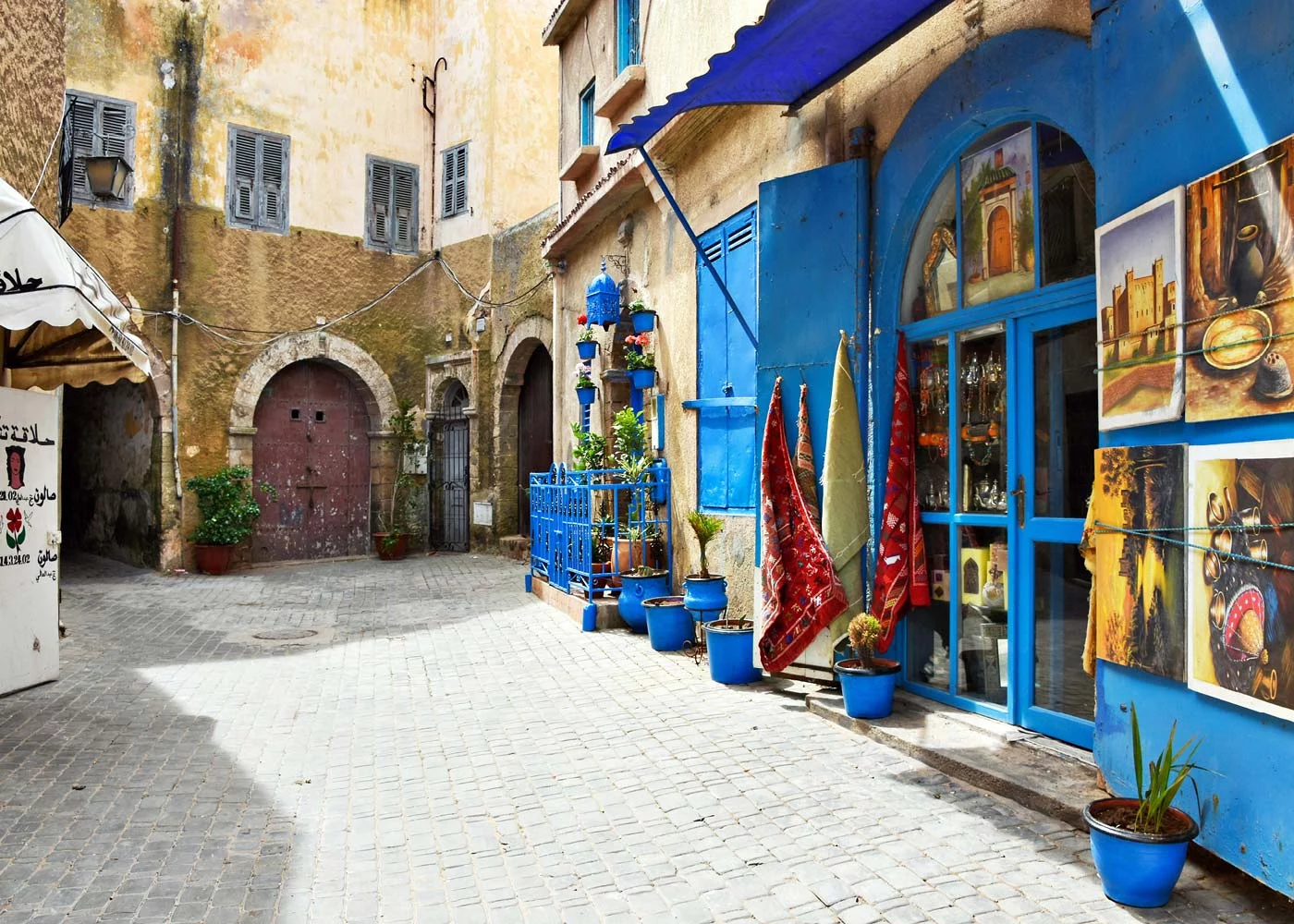
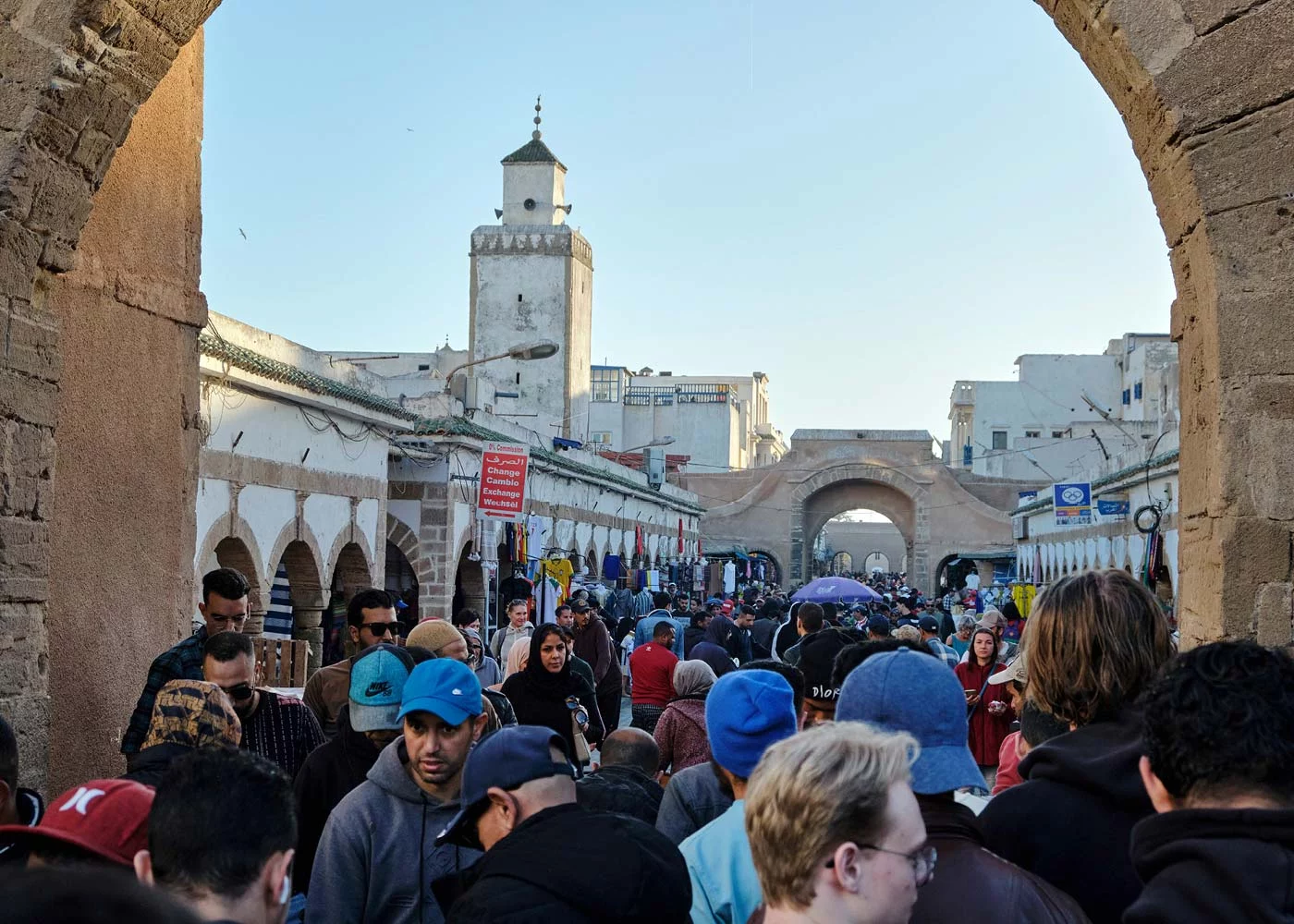
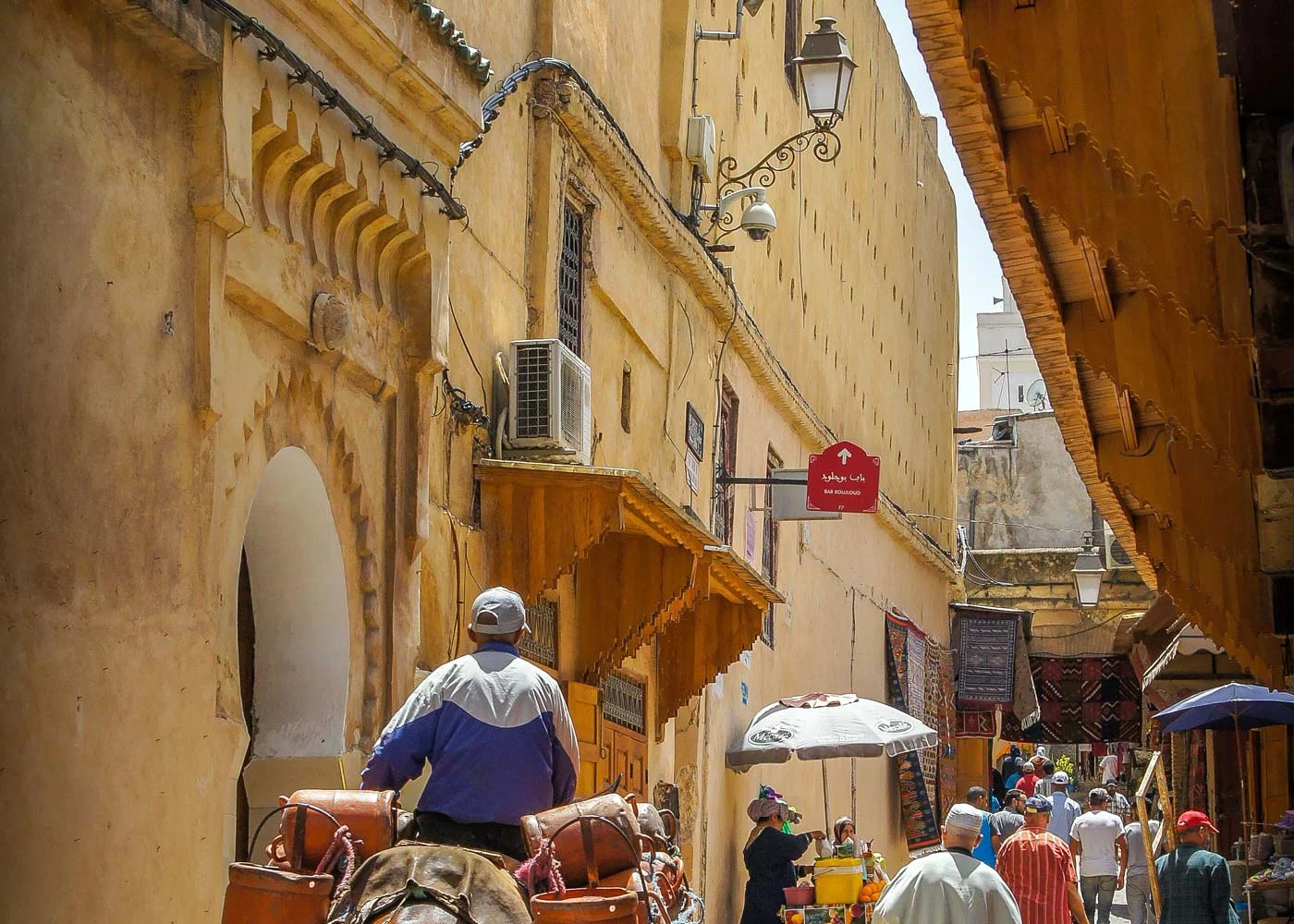
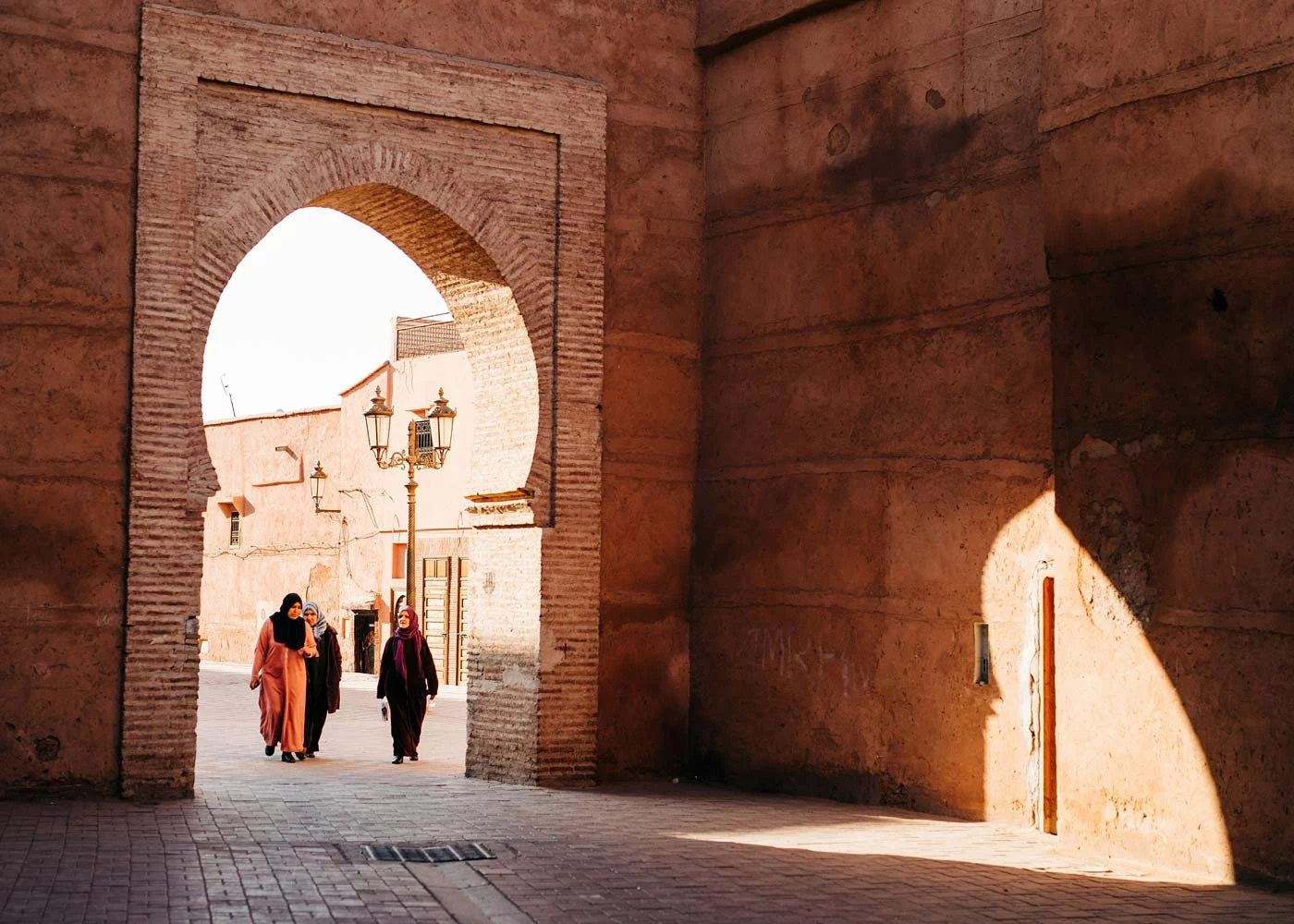
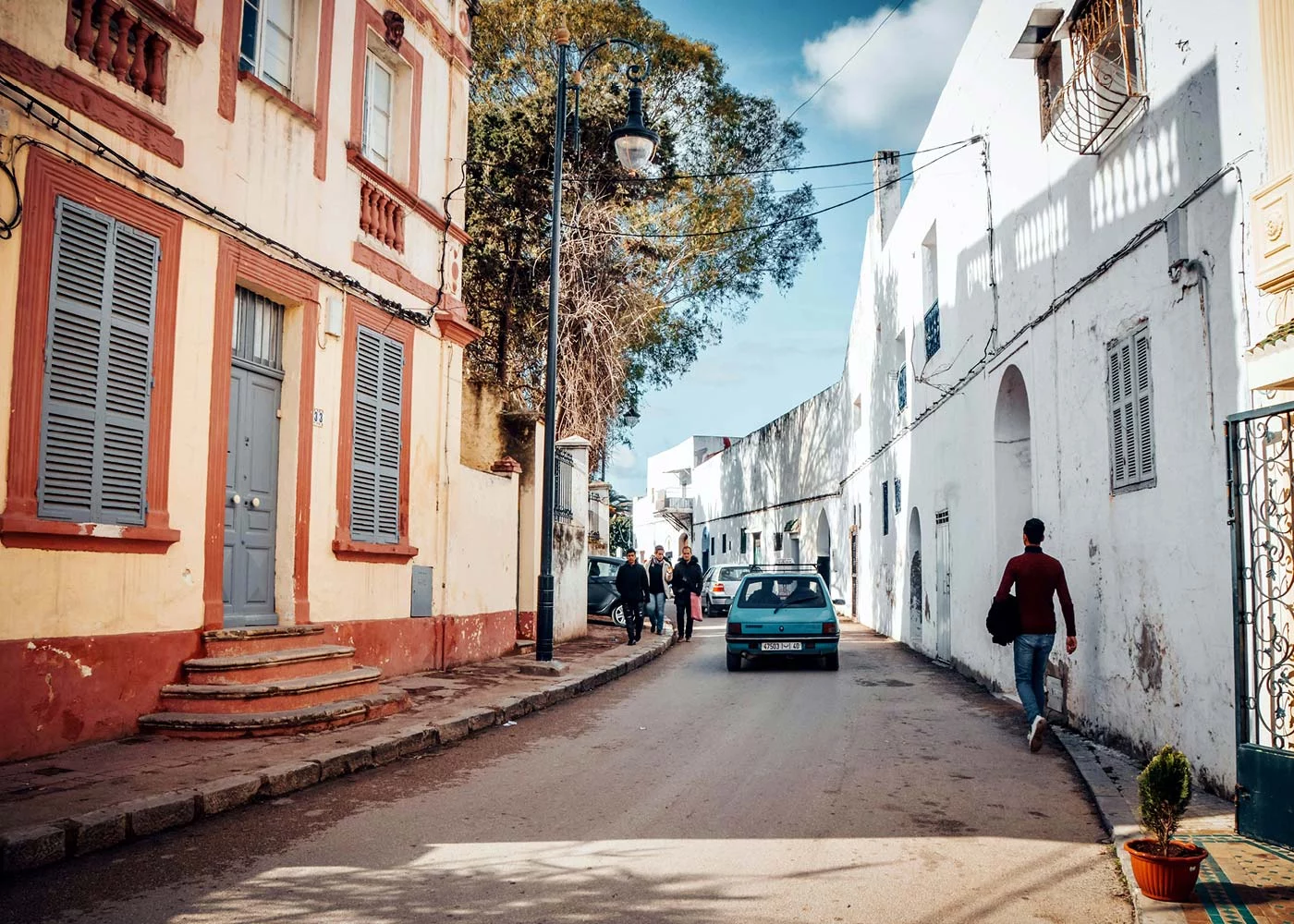
A labyrinth of alleyways, colours and scents
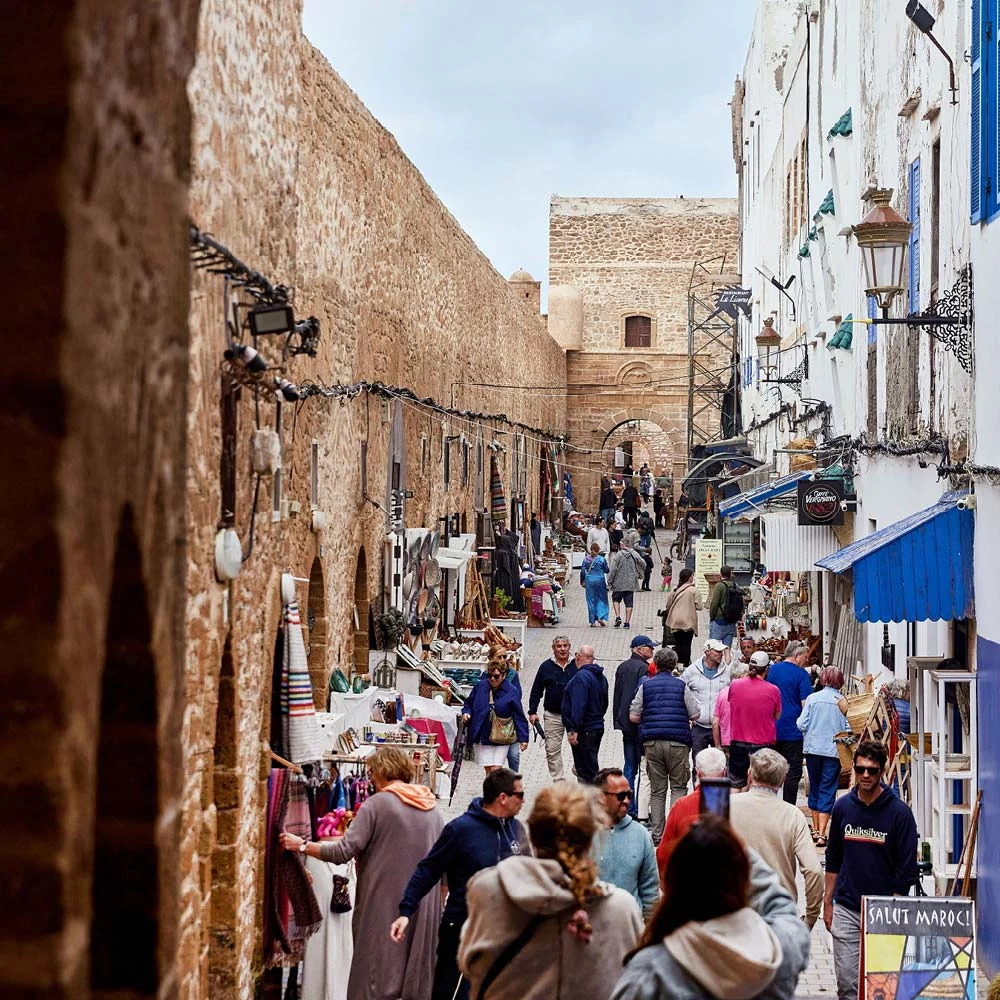
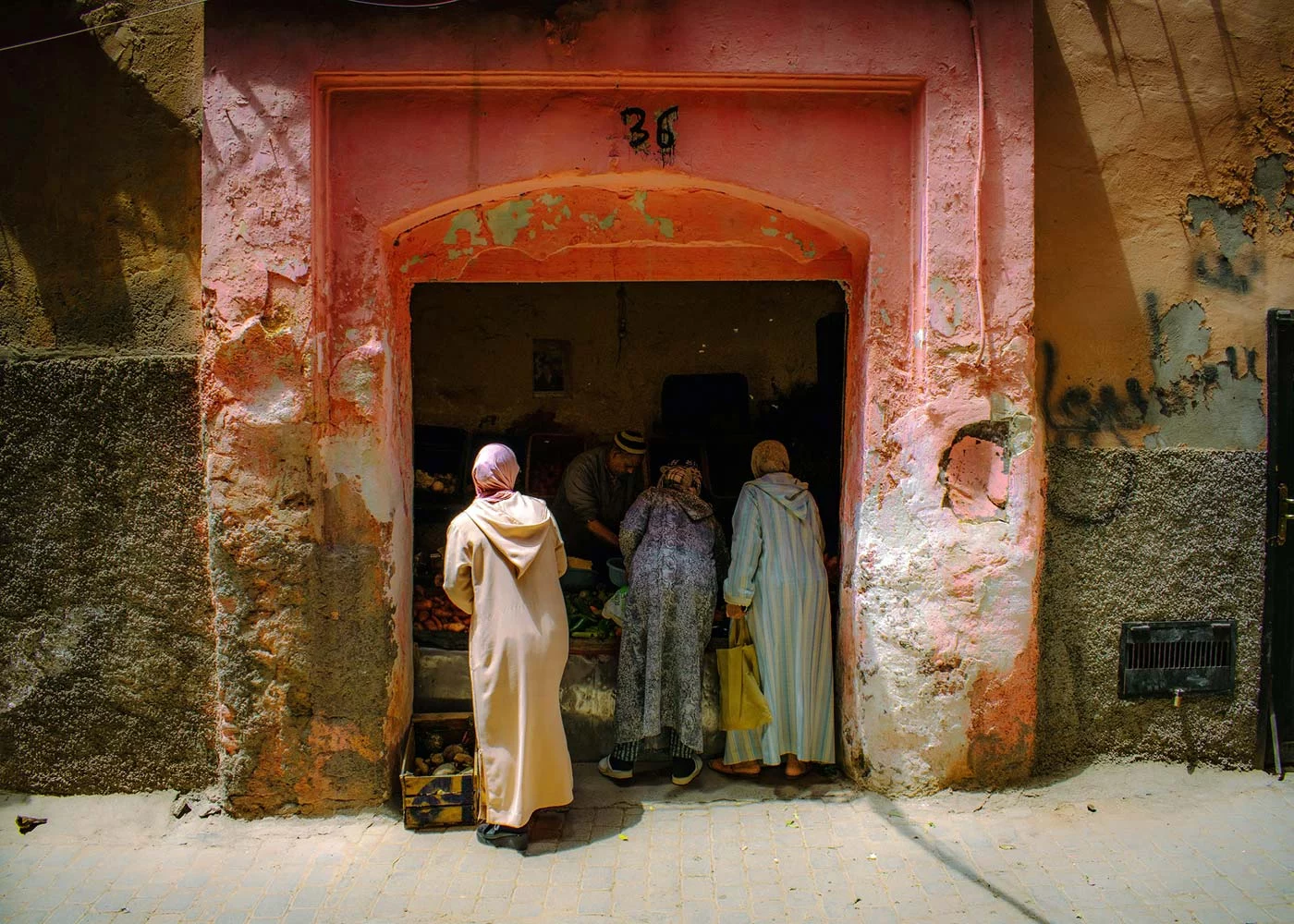
#1 insider tip for Morocco. Adored by locals and tourists alike, medinas – Morocco’s traditional, historic old towns – are the reason many people choose to visit the country. The royal city of Fez boasts northern Africa’s largest medina. It was declared a UNESCO World Heritage Site in 1981. Those in Marrakesh, Meknes, Essaouira and Tétouan are also long-standing World Heritage Sites. Why? Because of their beauty and their historical importance (medinas are often surrounded by imposing city walls designed to protect against invasion).
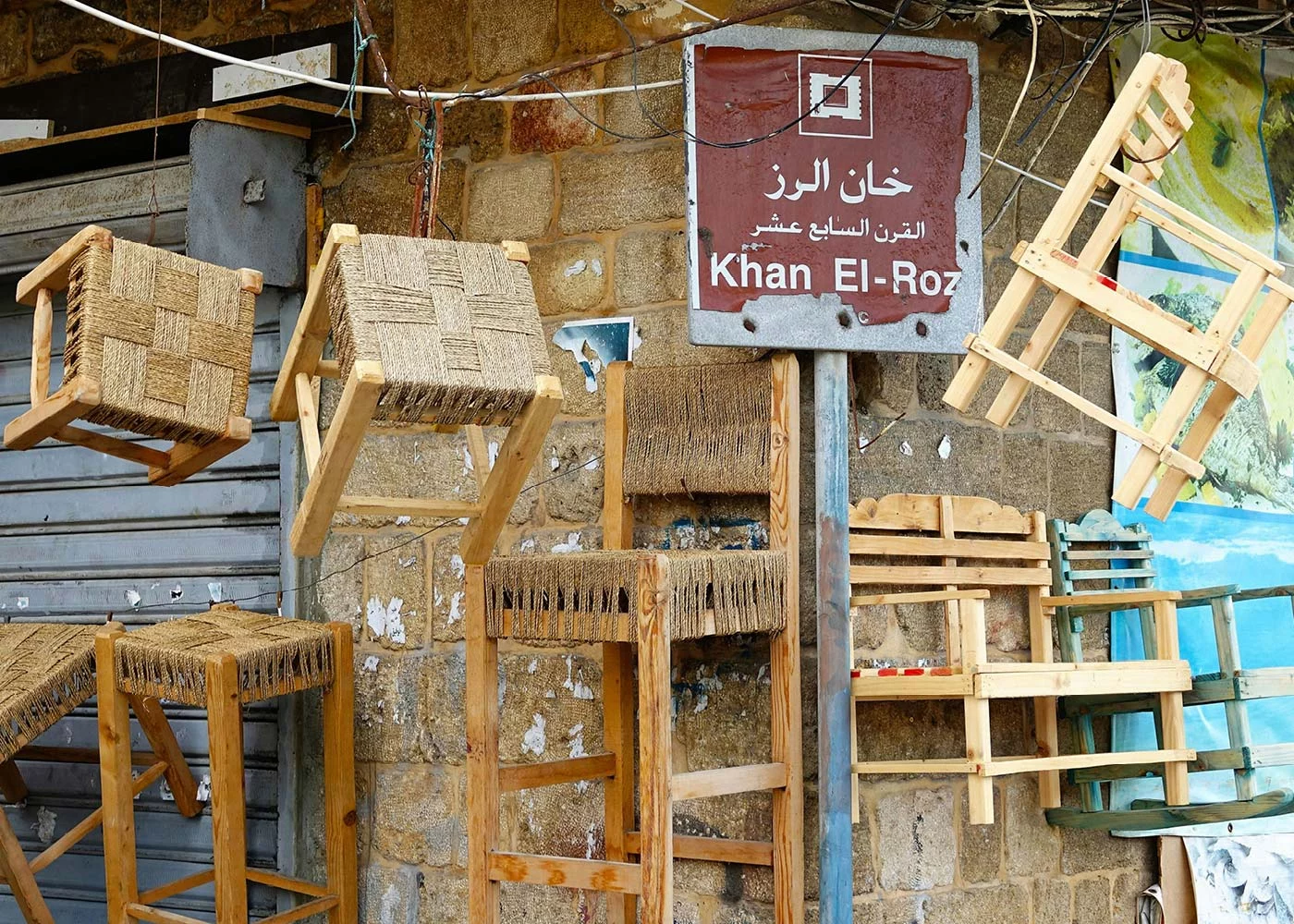
They are also beloved for the fine craftsmanship displayed in the alleys and shops. The medina is a living, breathing blend of colours, sounds and people. And the next souk, the centre of social life and Moroccan culture, is never far away.
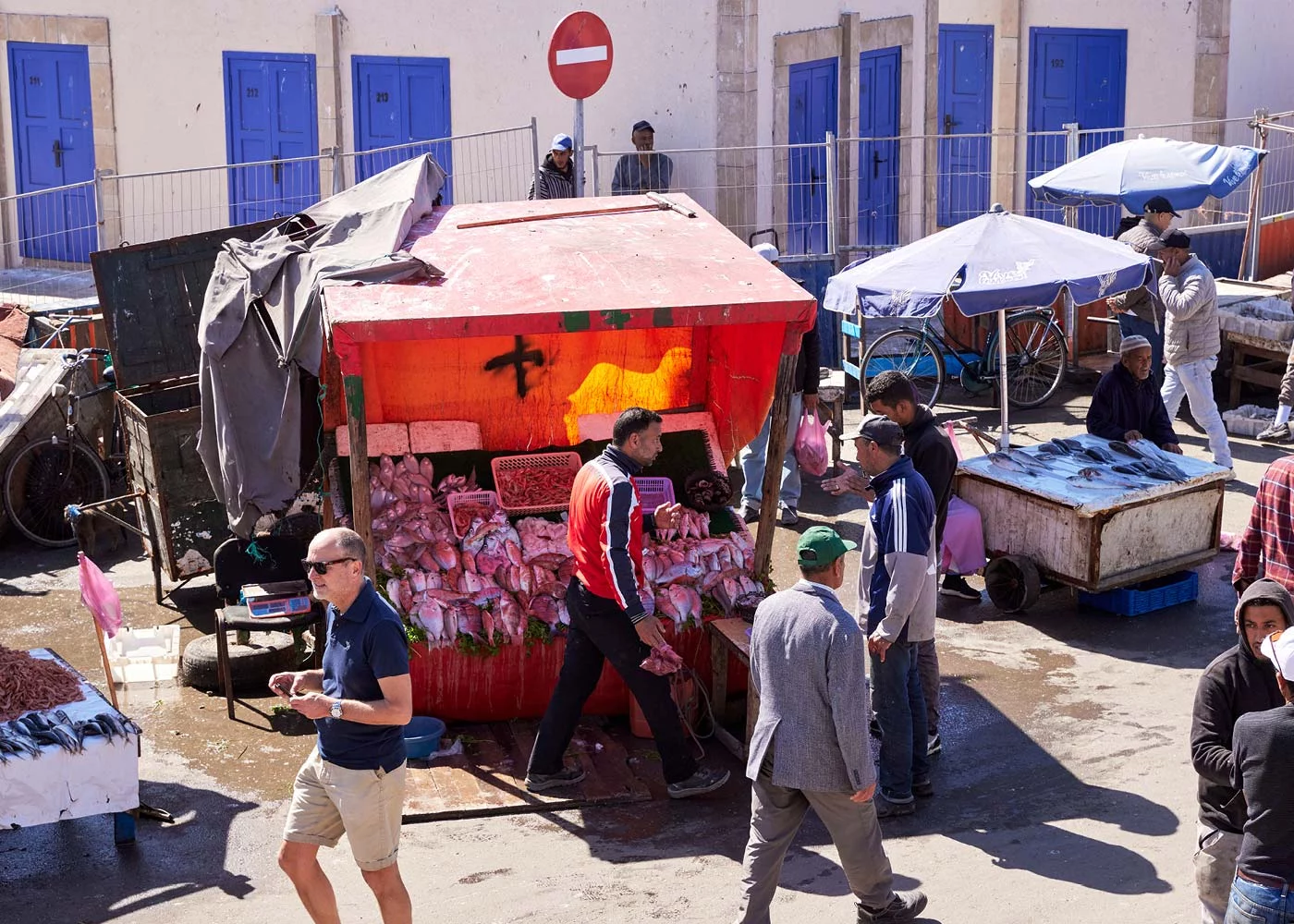
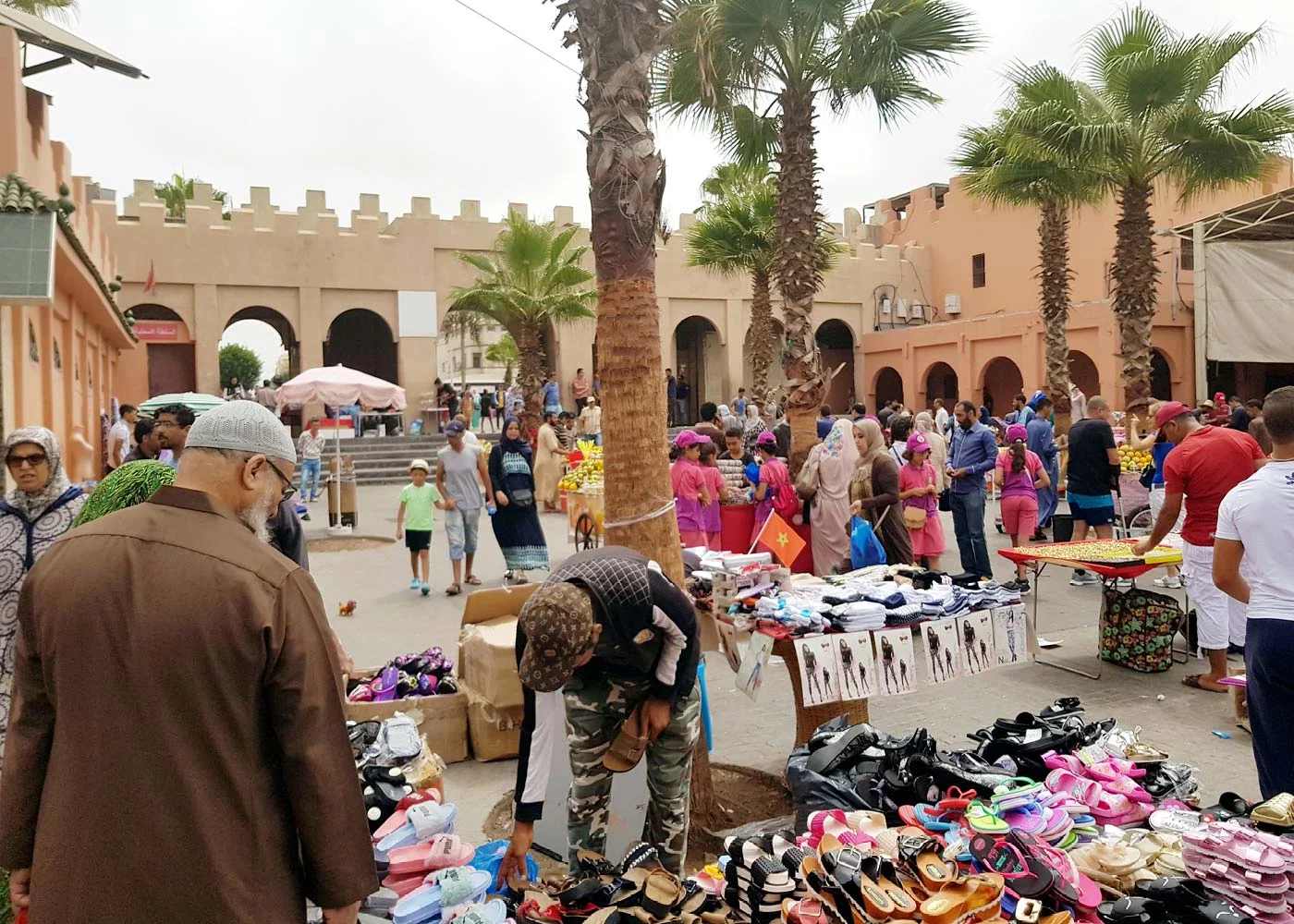
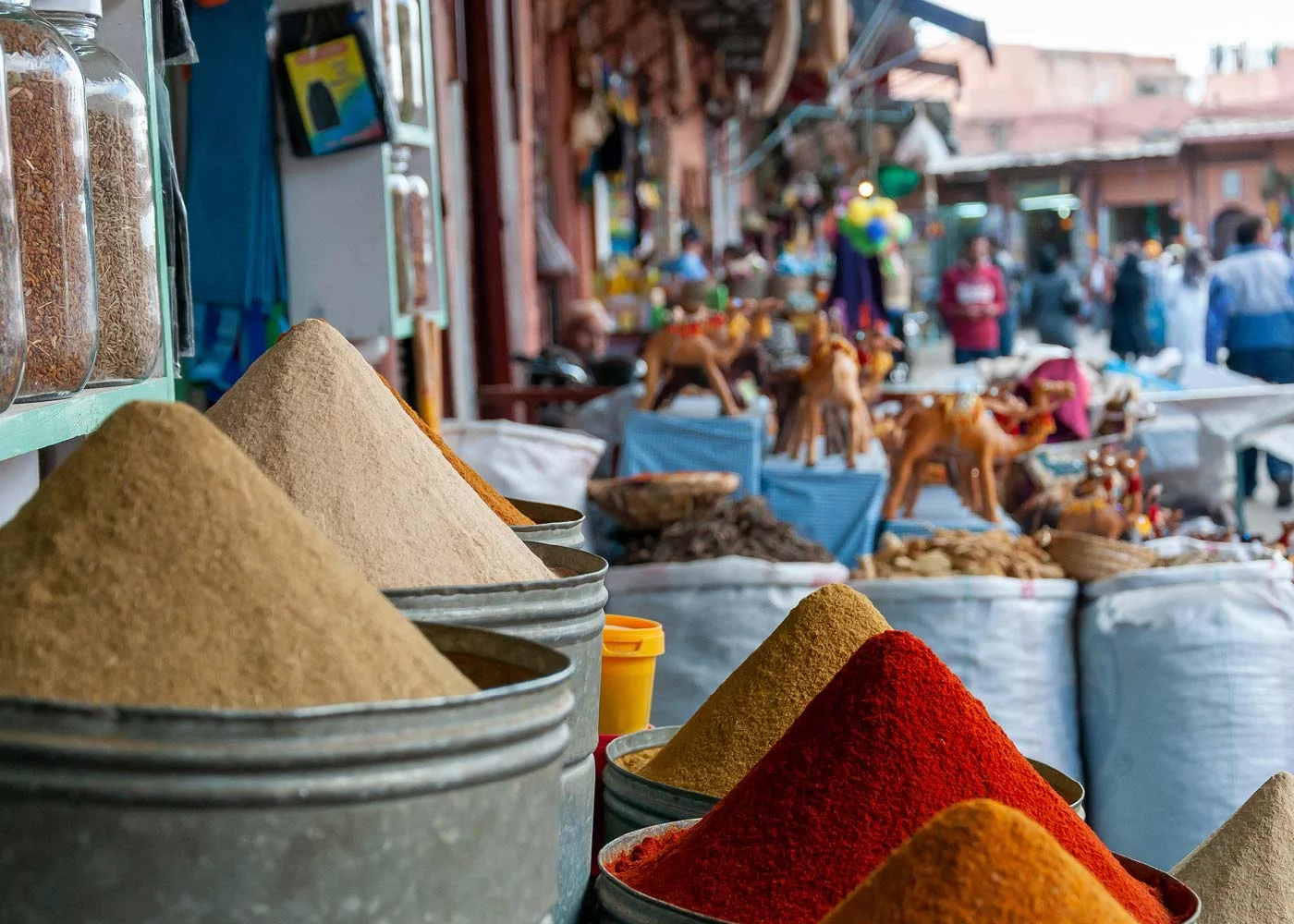
Morocco’s magical, mystical marketplace
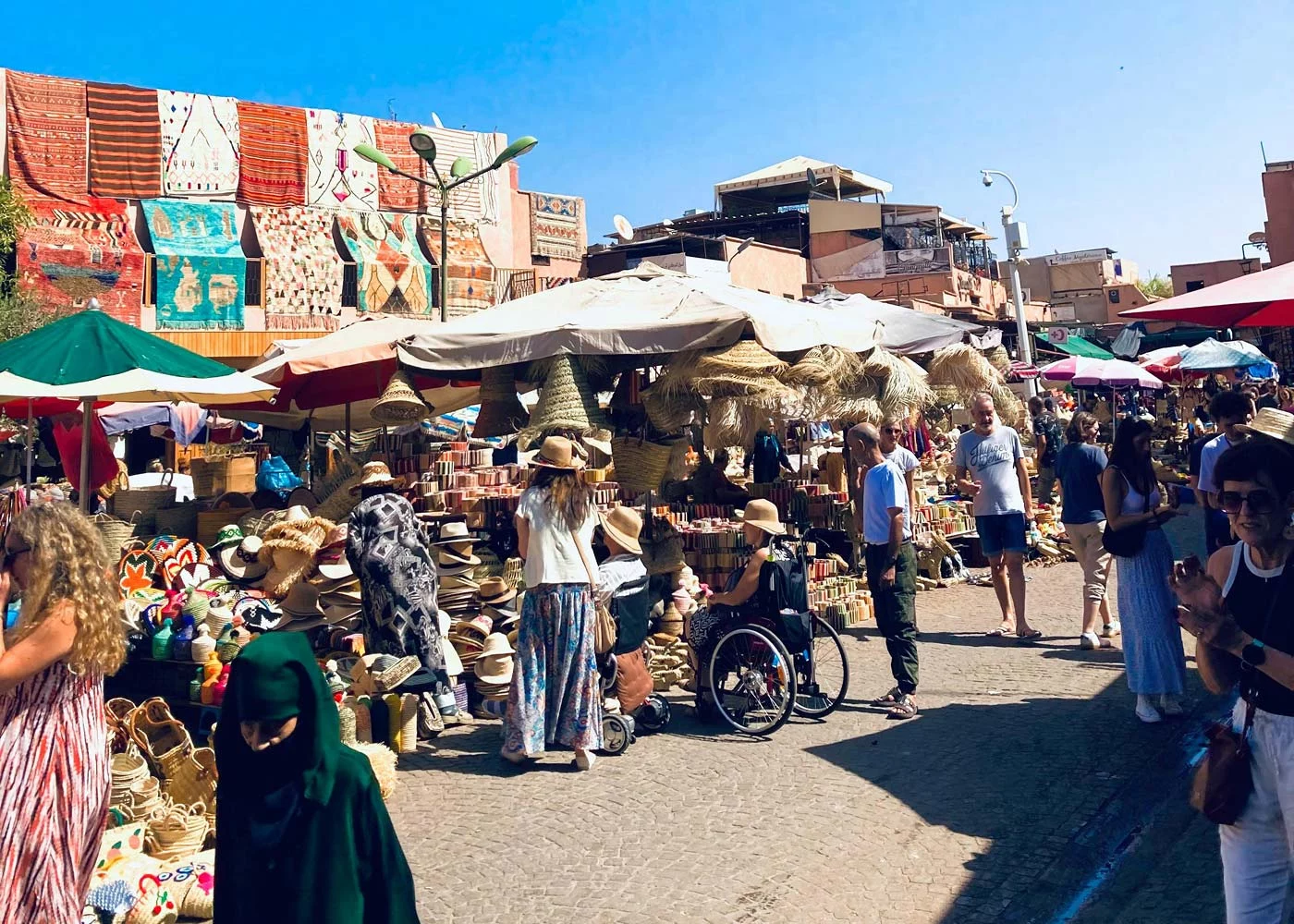
A market, a commercial district, and the hub of Middle Eastern and Arab cities: the souk is the home of aromatic spices, colourful fabrics, traditional Moroccan handicrafts and touristy souvenirs. Whether in the alleys of UNESCO-protected medinas or on the main square in Marrakesh, souks are usually divided into different areas and prove as fascinating to Moroccans as they do to tourists.
One section is dedicated to food, another to clothes, while others are traditionally the terrain of jewellers and other businesses. Visit the souk to gaze in amazement and haggle for a bargain.

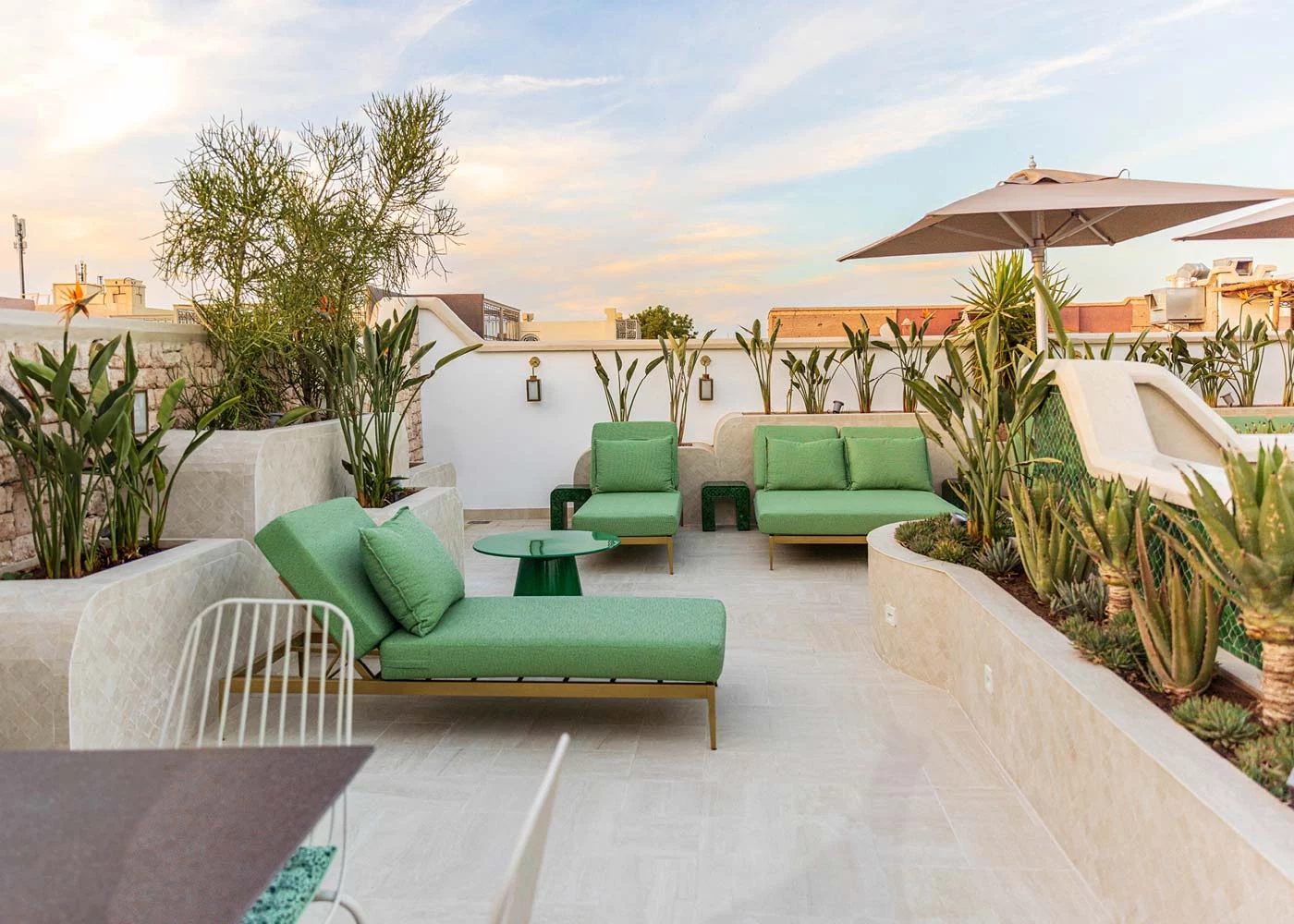
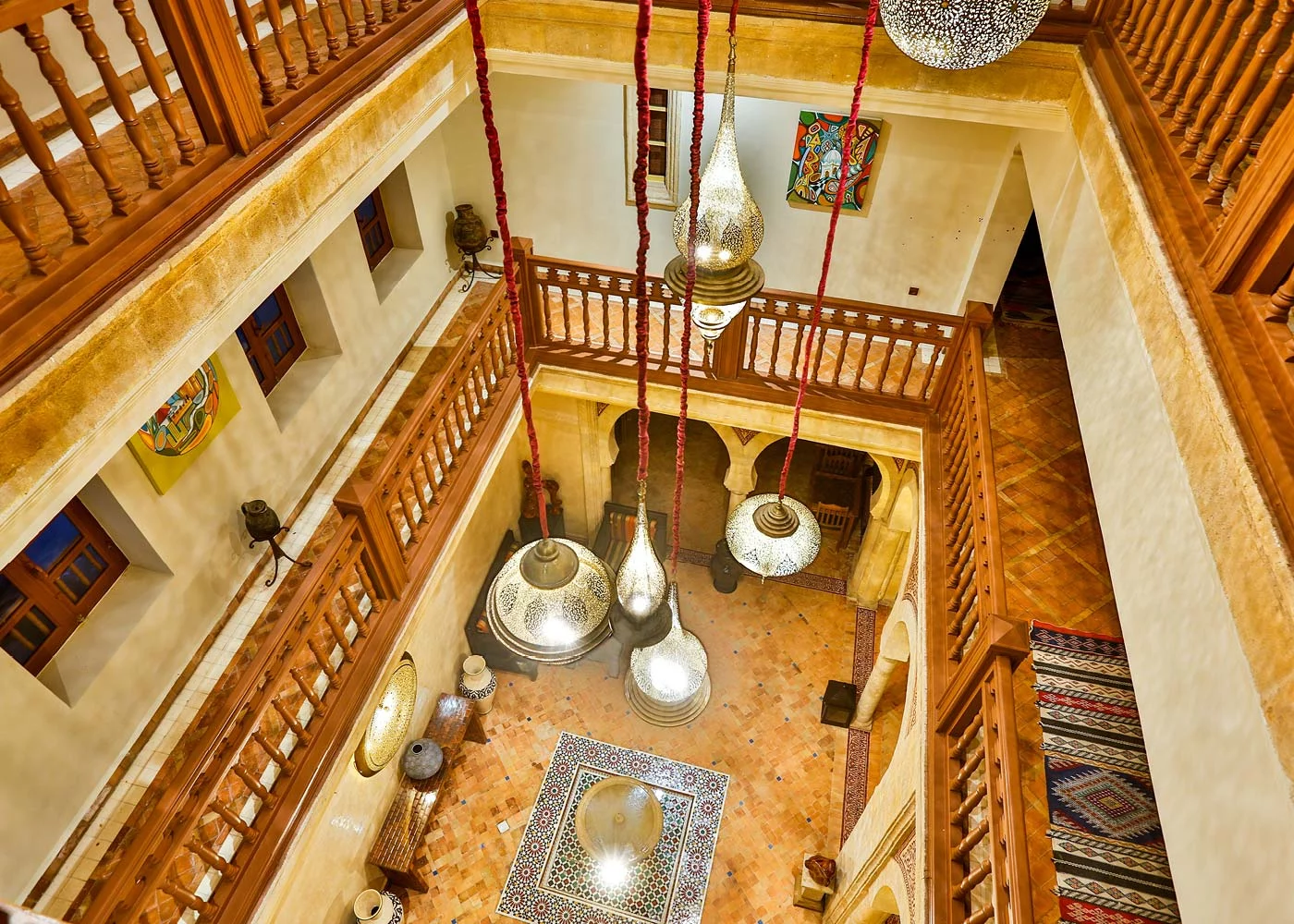

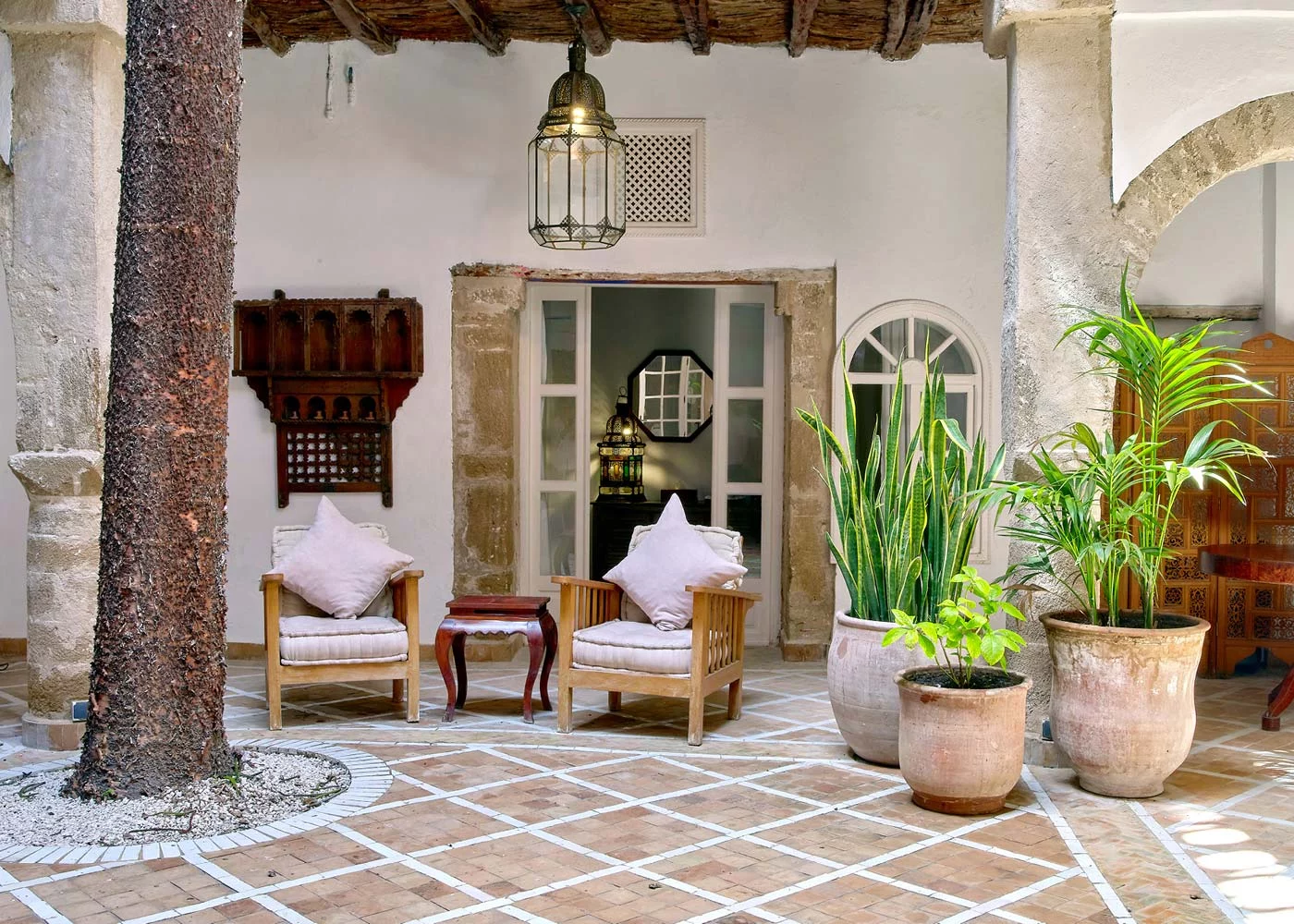
A Moroccan Hideaway
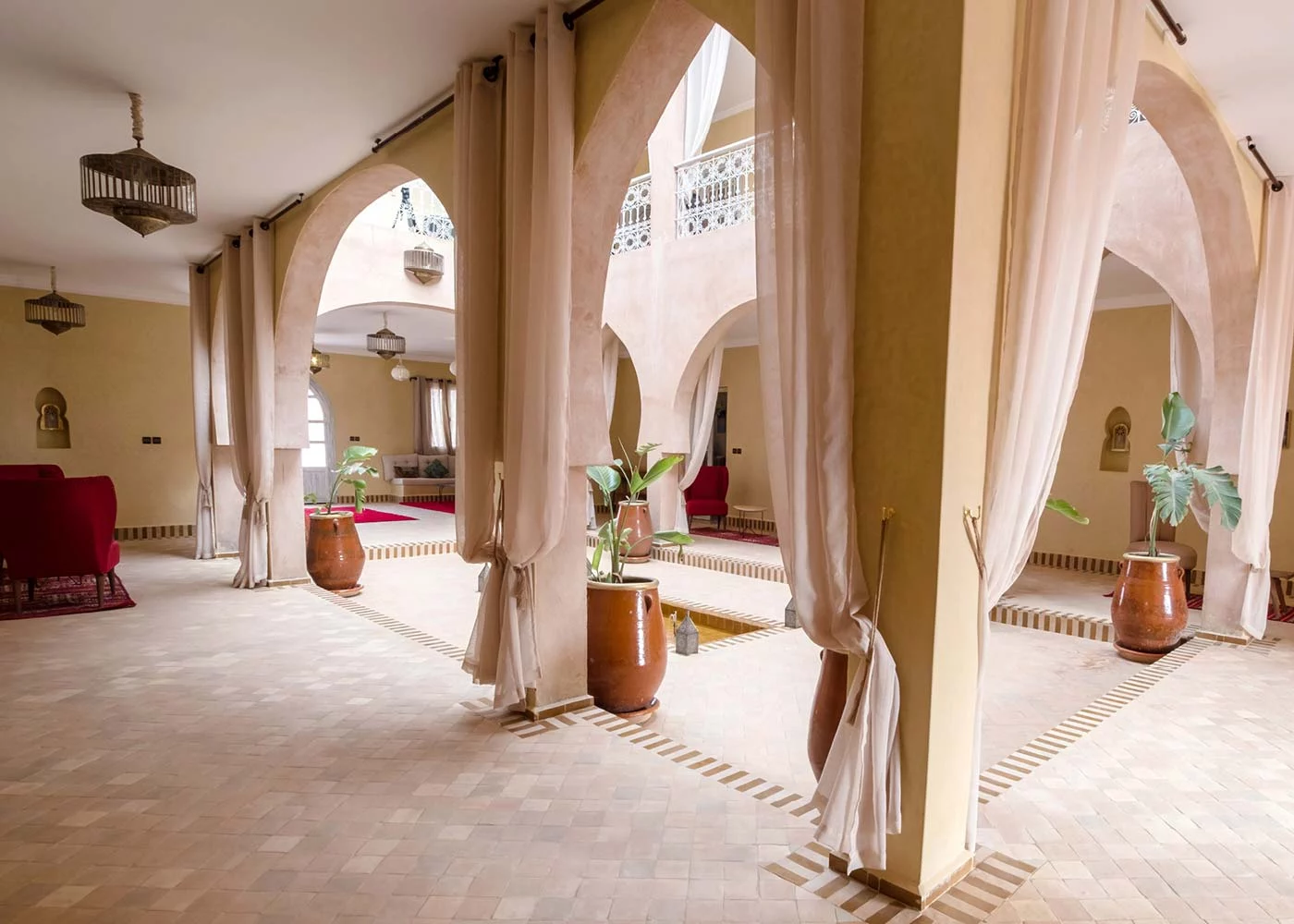
In Arabic, riad simply means ‘garden with trees’. But a riad is much more than that: a traditional Moroccan town house or palace with a courtyard or interior garden featuring trees, exotic plants, fountains and refreshing pools of water. A place of unique tranquillity. An oasis. A sanctuary.
And often the epitome of luxury accommodation in Morocco – many of these exclusive, exquisitely furnished houses have been converted into hotels. A true insider tip!
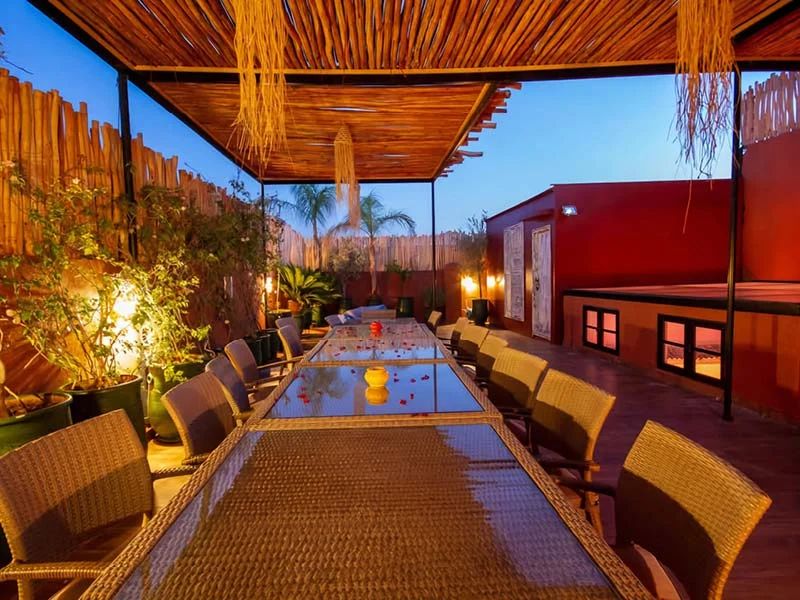



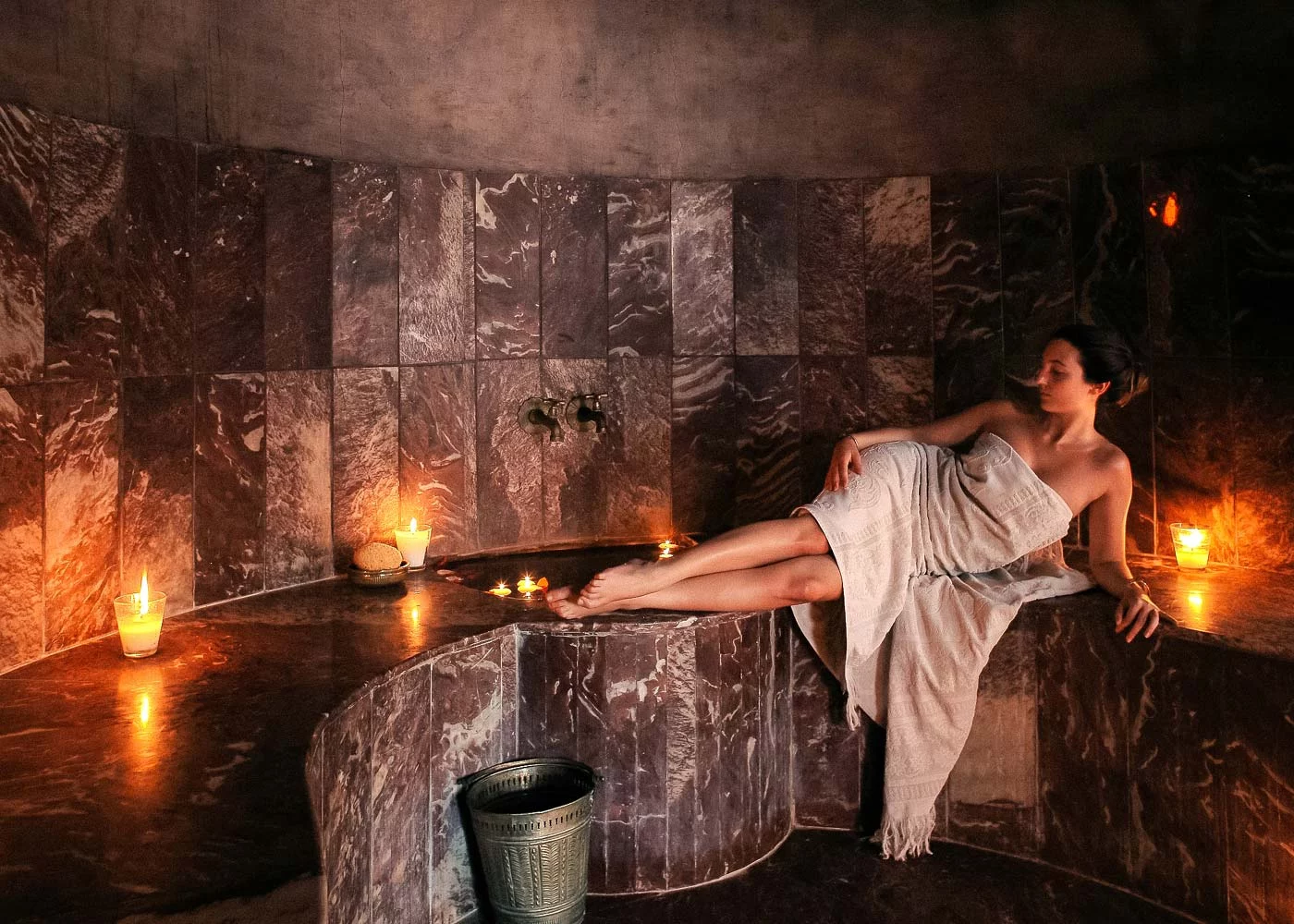
Experience Morocco’s bathing culture for yourself
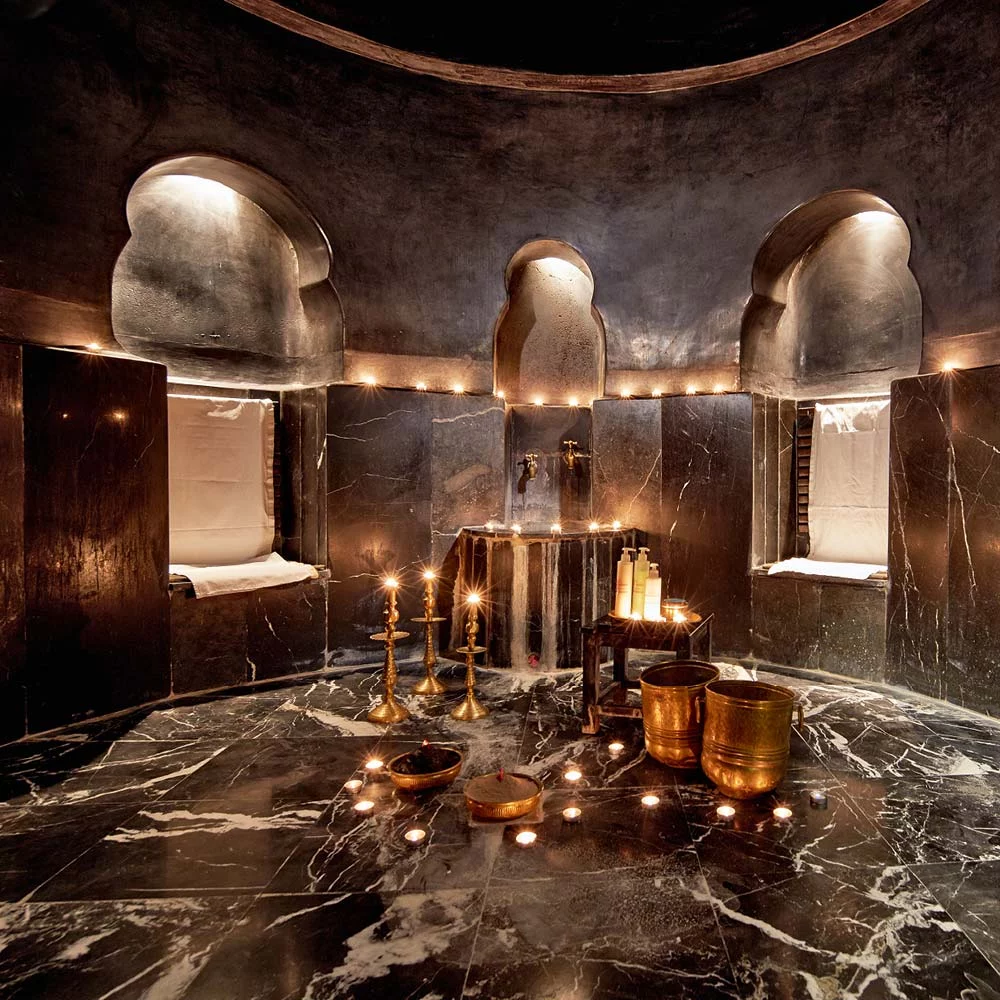
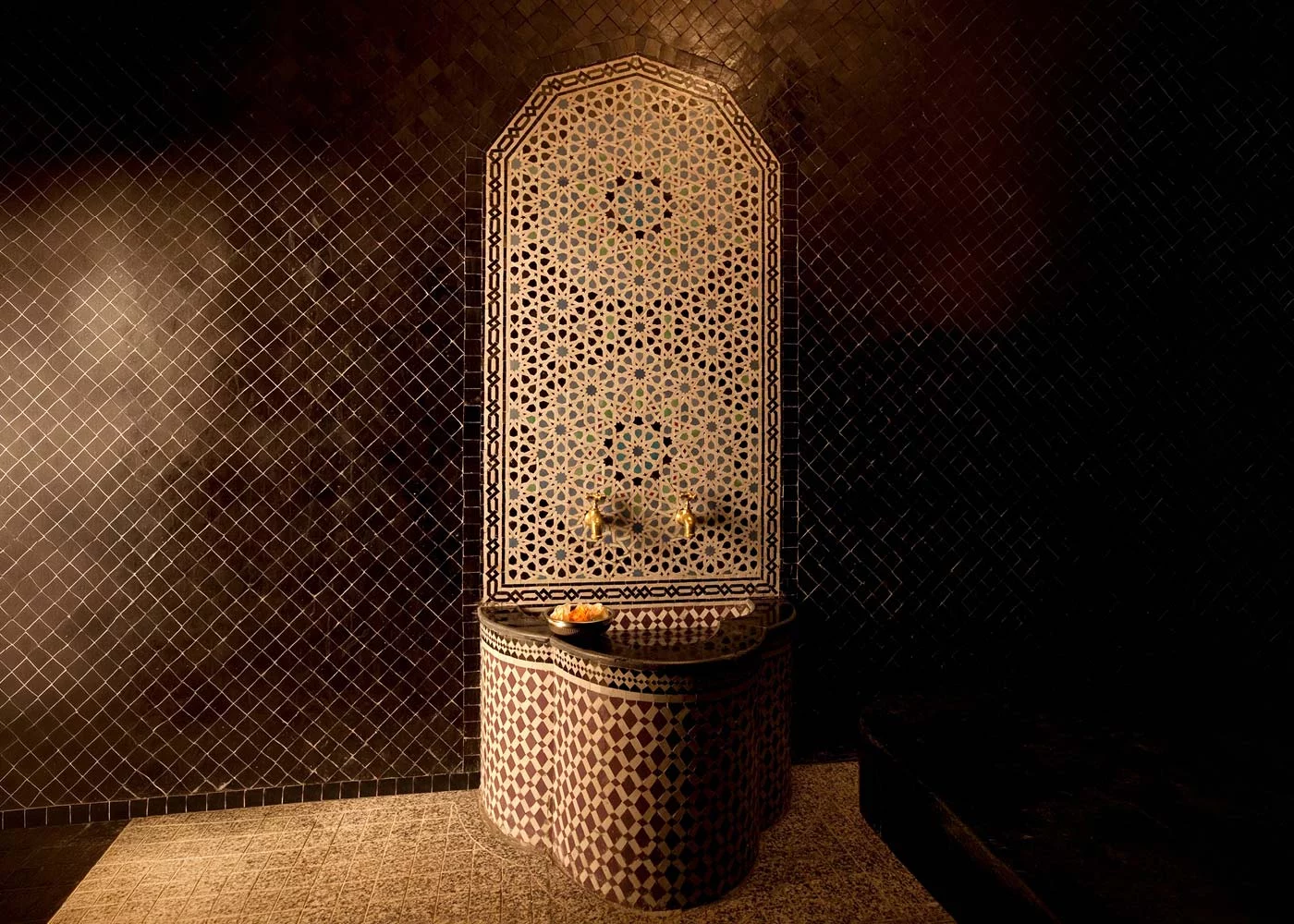
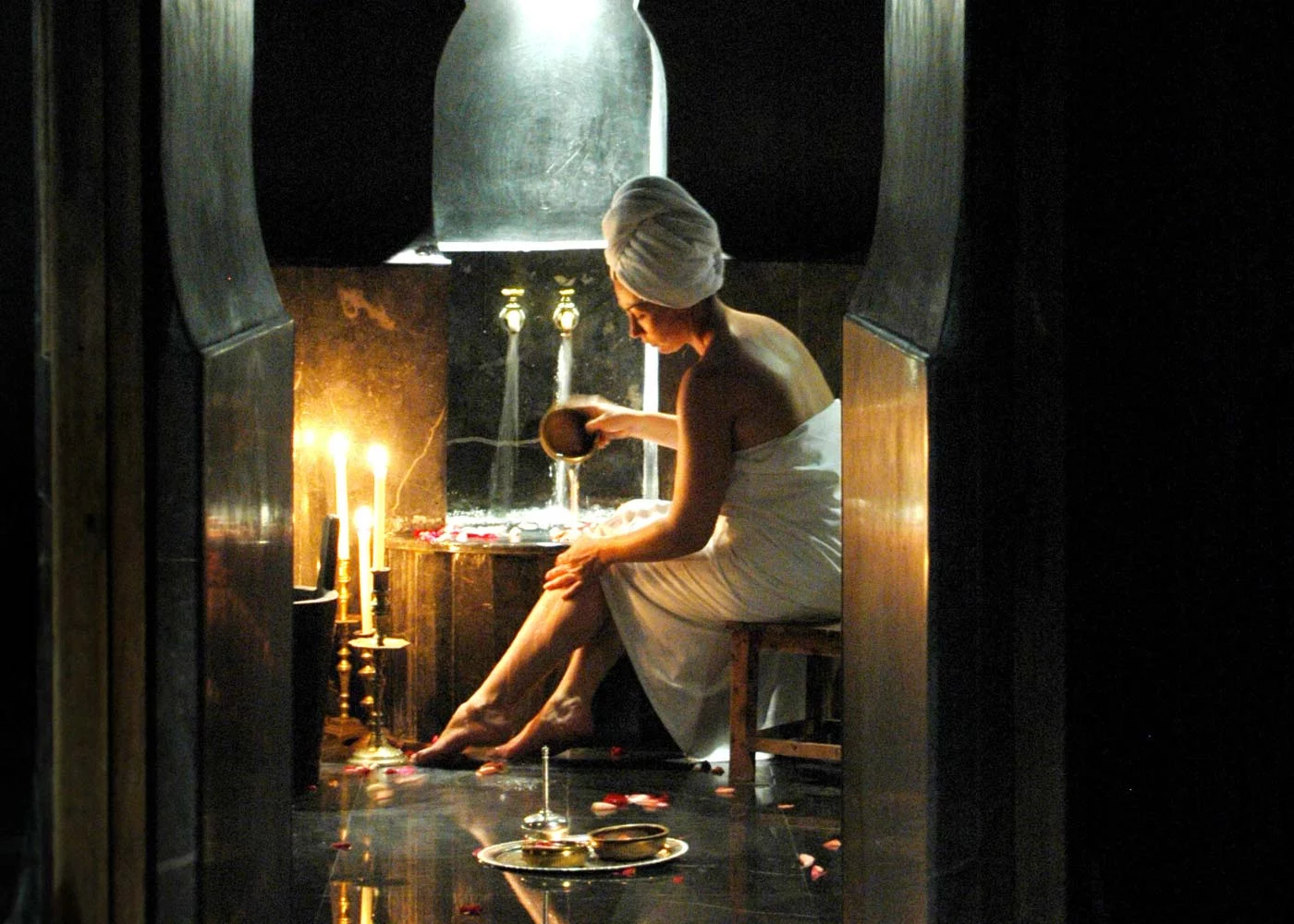
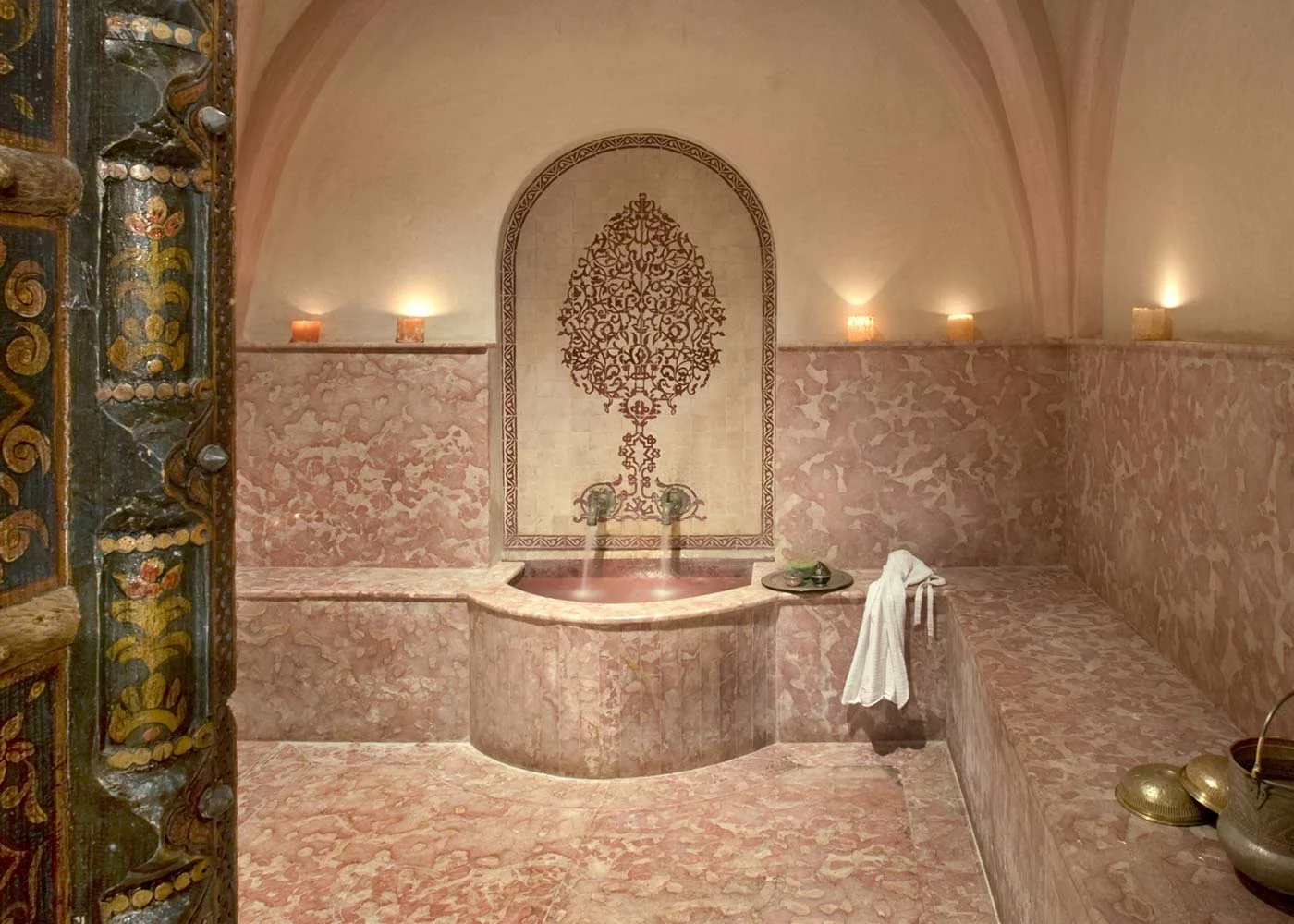
A trip to Morocco wouldn’t be the same without visiting a hammam! Often decorated in vibrant zellige tiles, these public bathhouses are not just a place to retreat, relax and feel good – they have been an integral part of the Moroccan lifestyle for centuries, during which time the hammam rituals have barely changed. Visitors remove their clothes (simple swimwear is permitted) and cover their bodies with towels before being thoroughly pampered by the staff.
Moroccan cuisine for fans of meat and fish
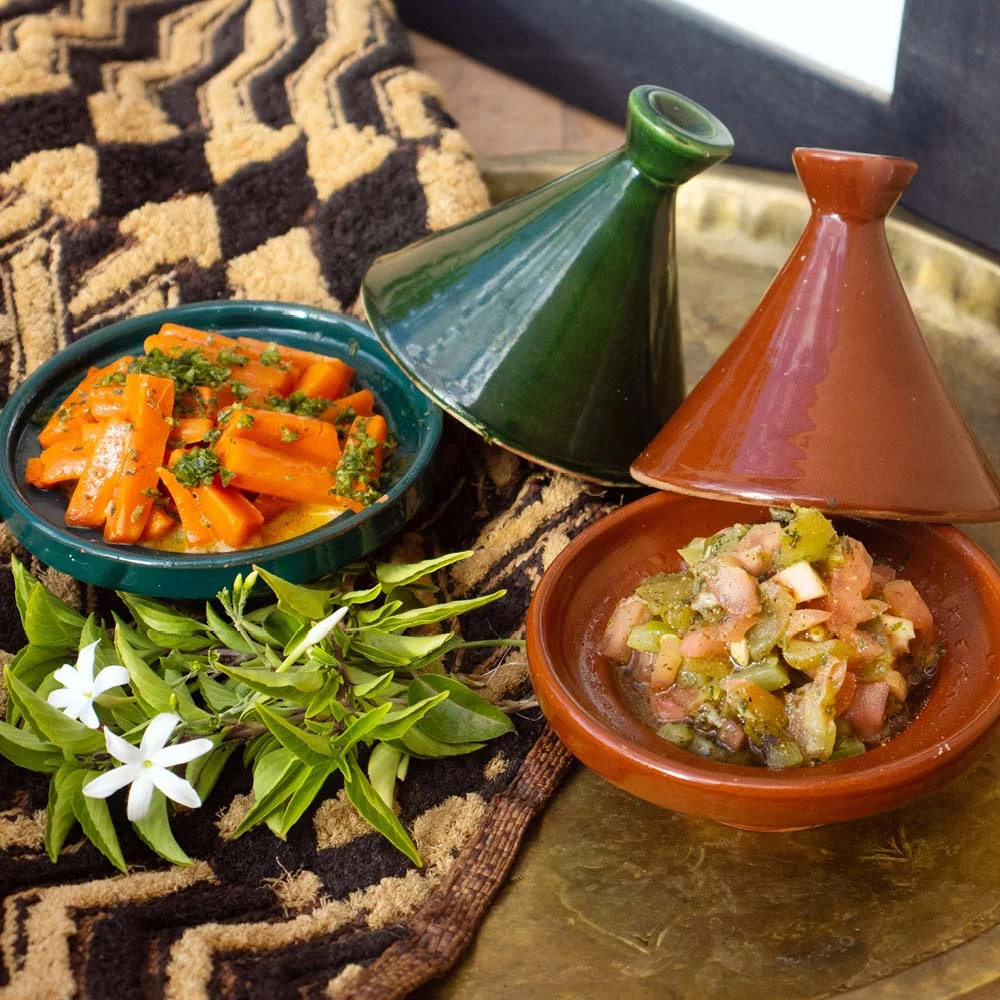
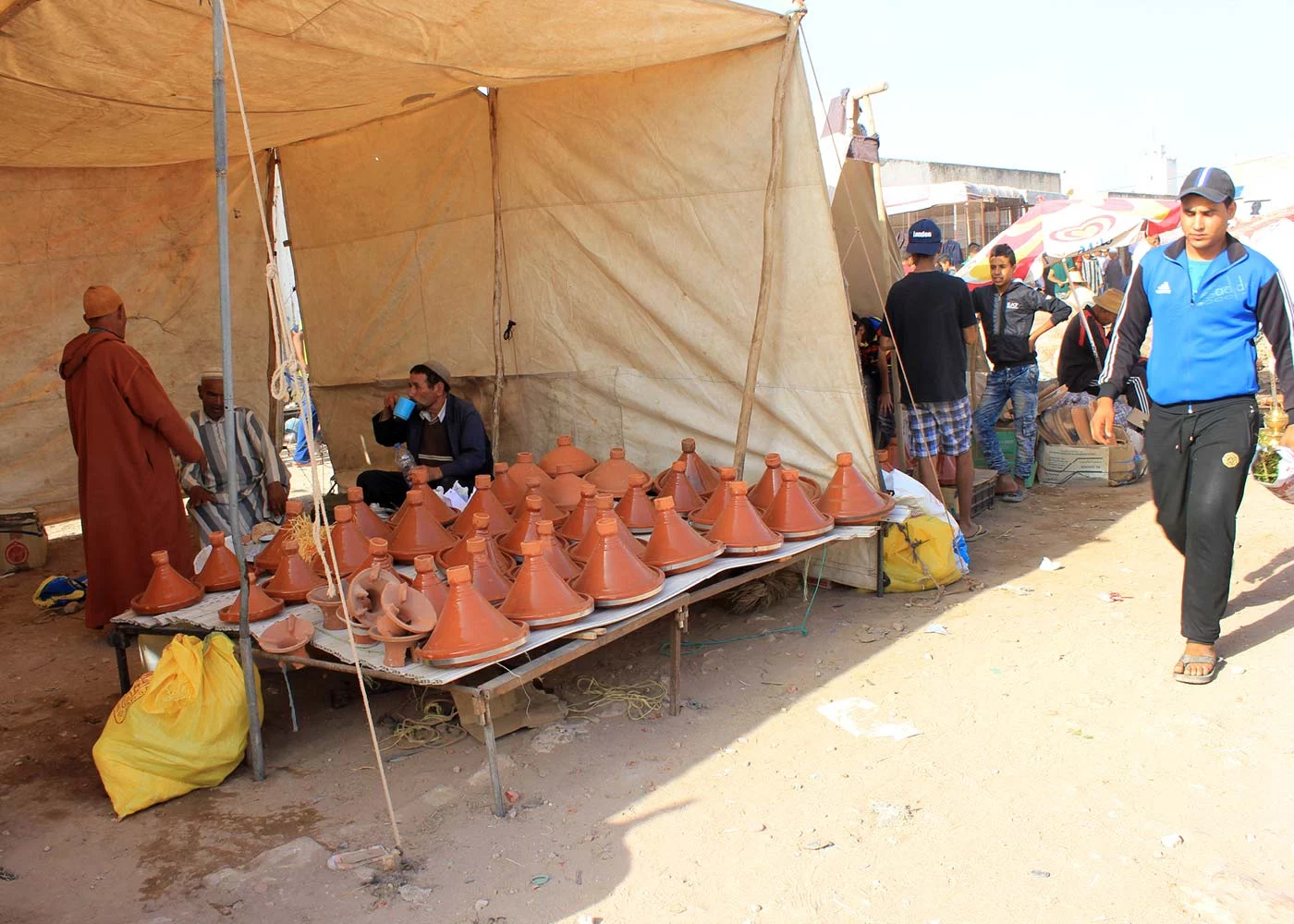
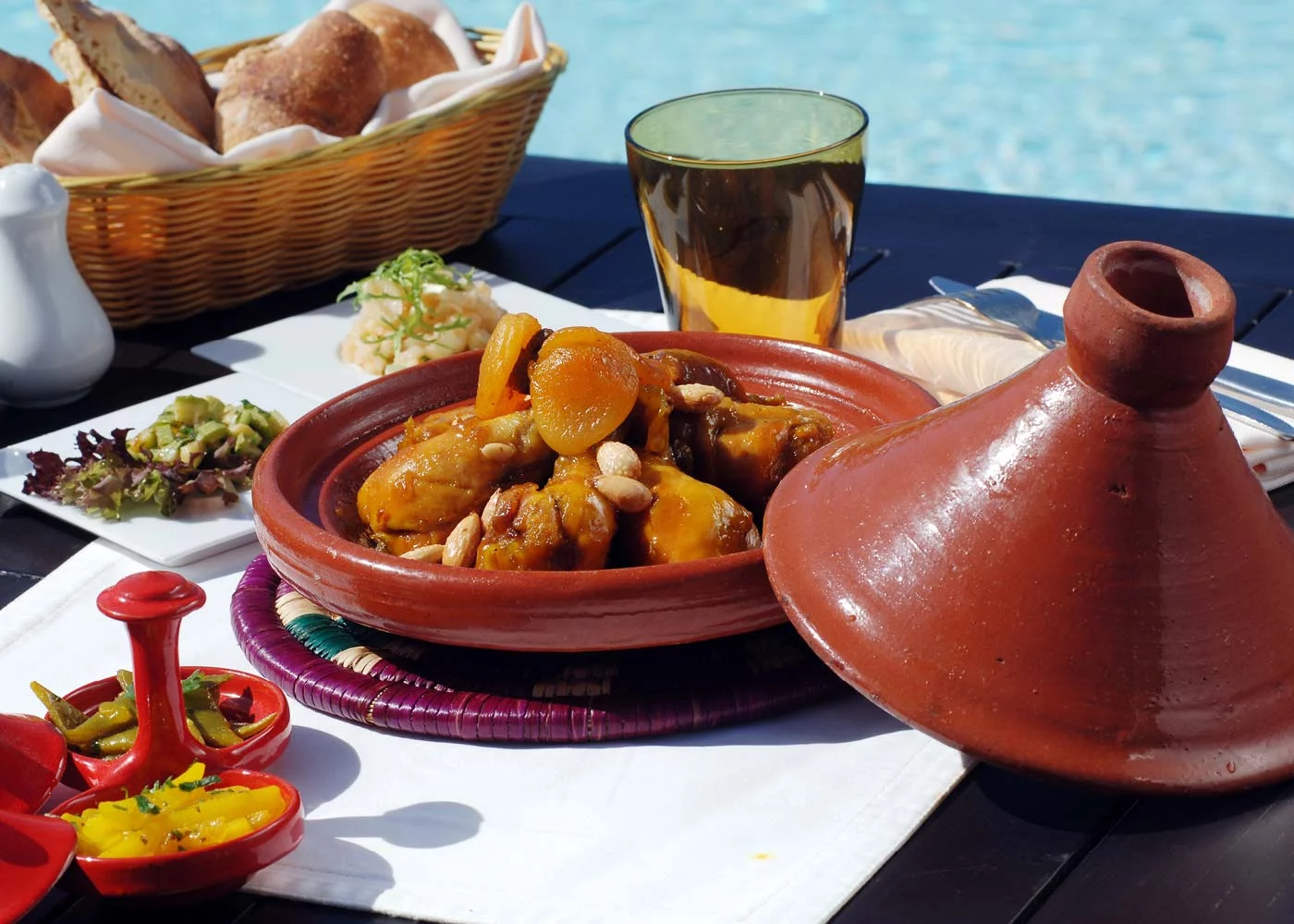
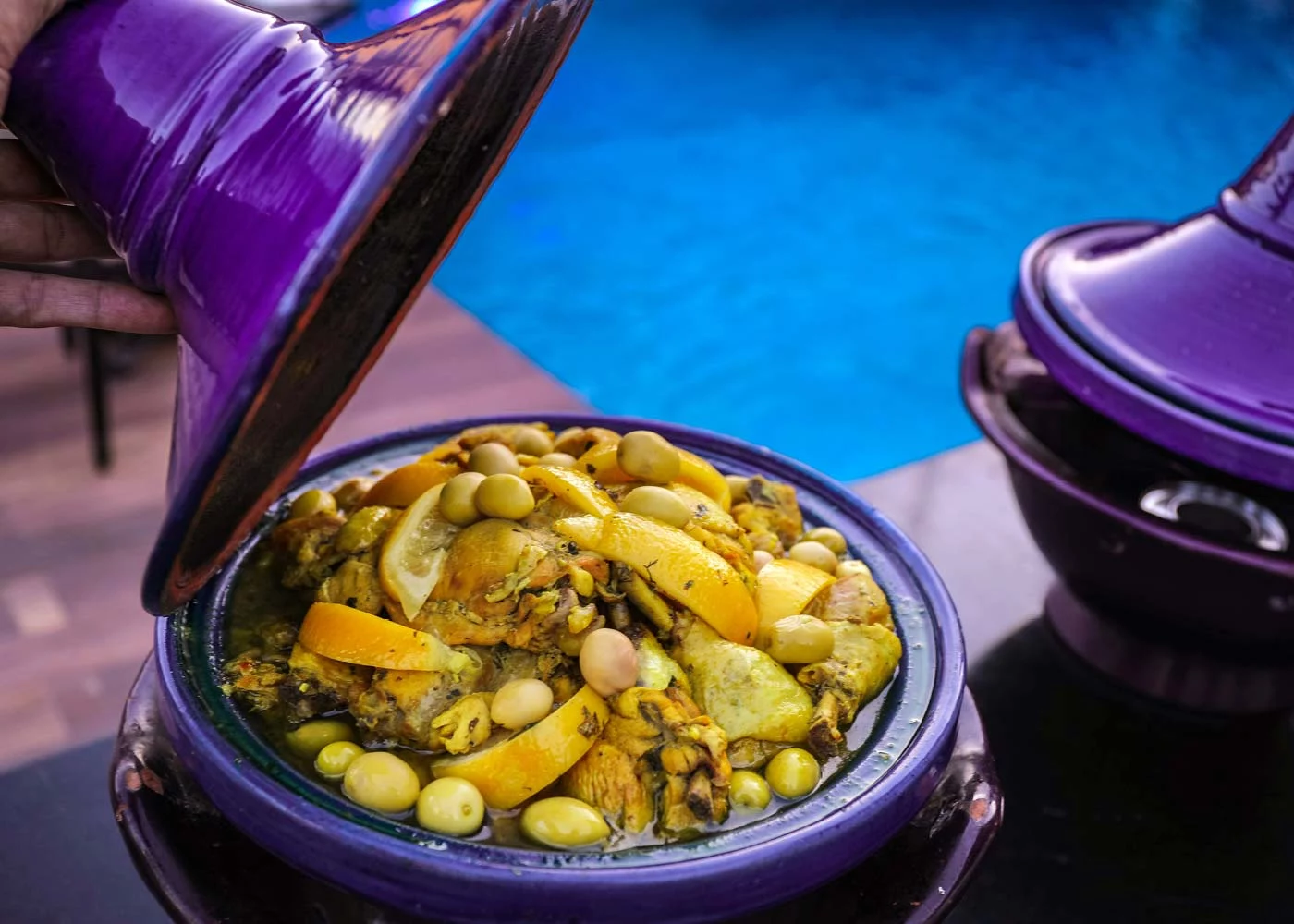
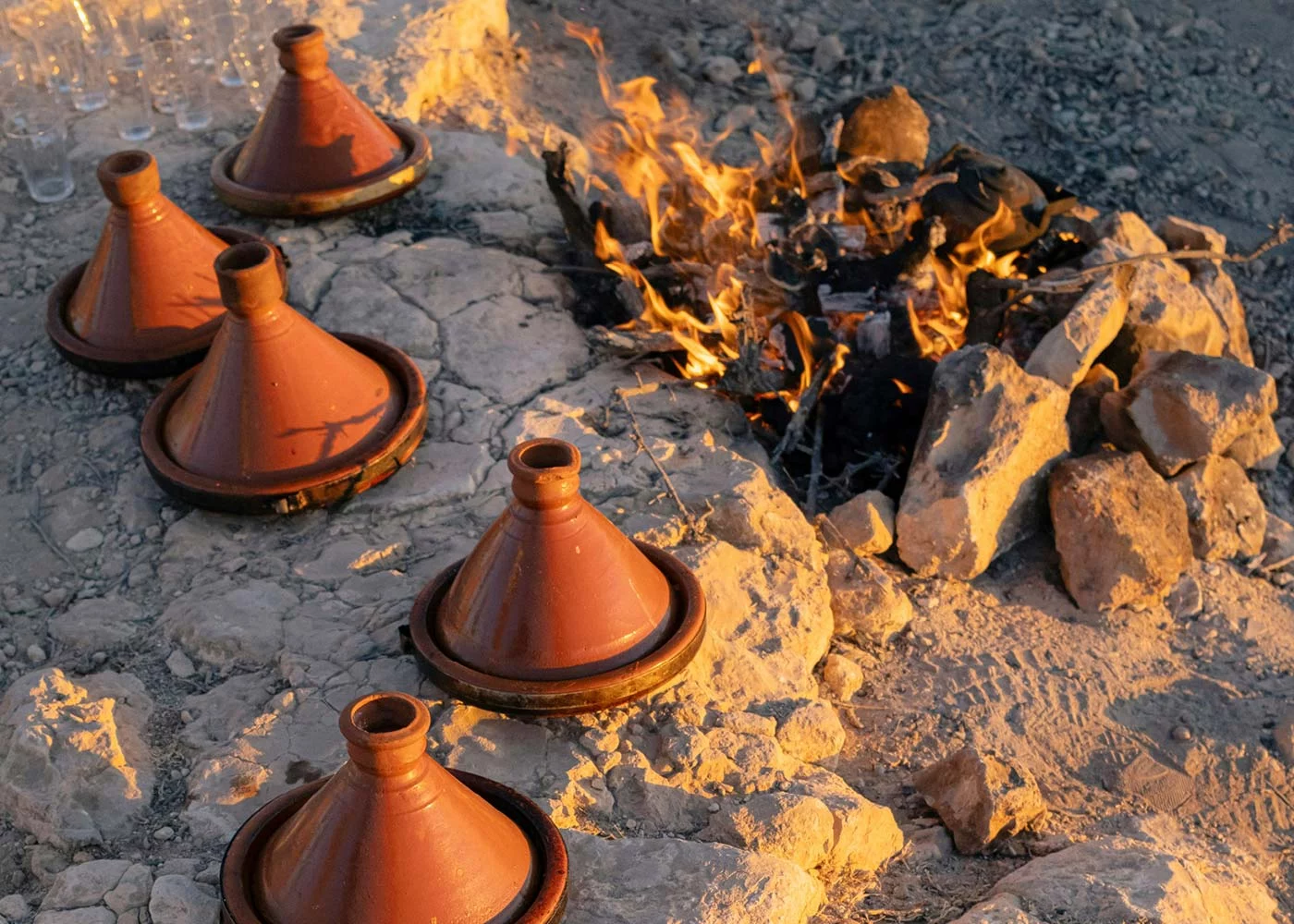
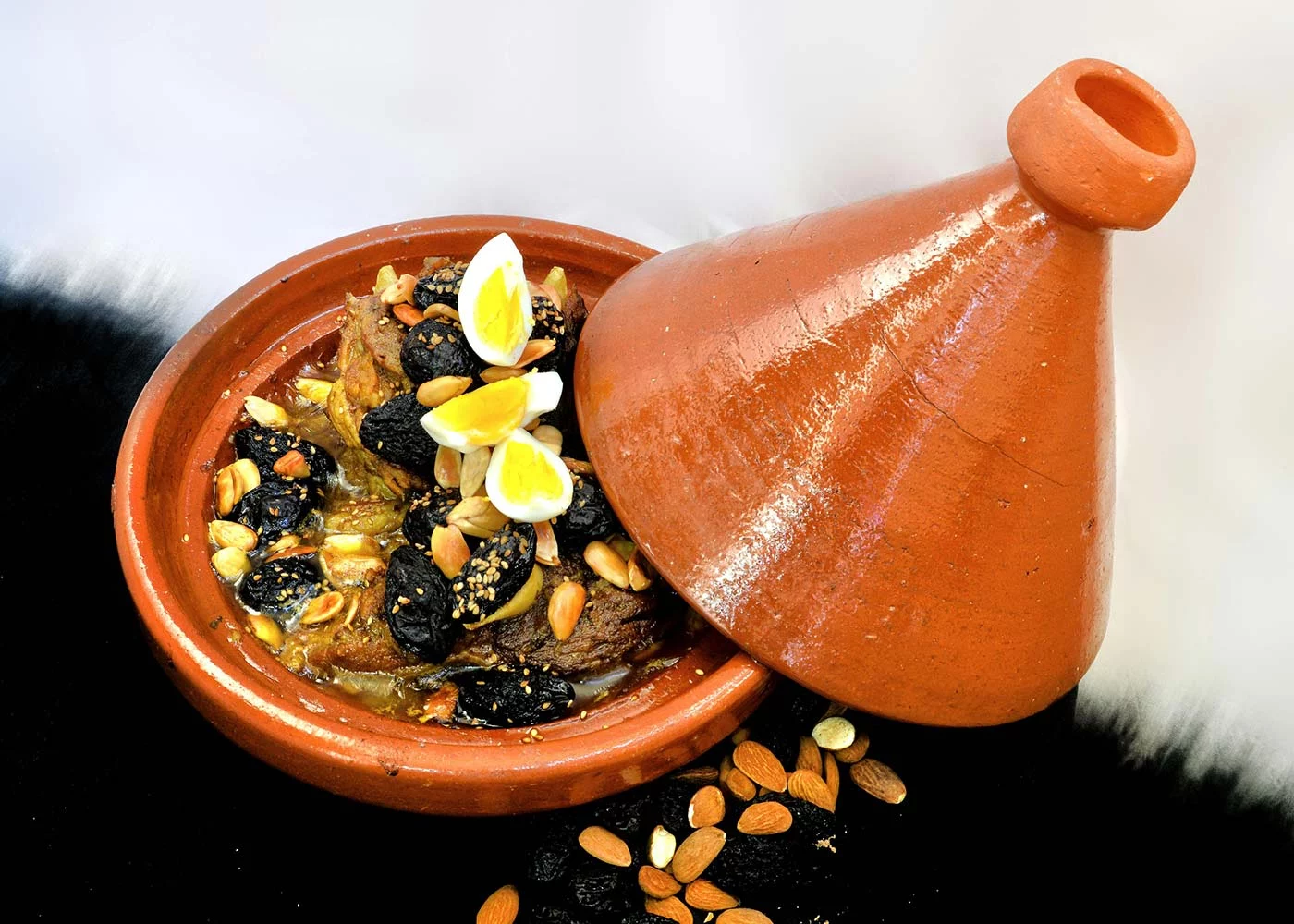
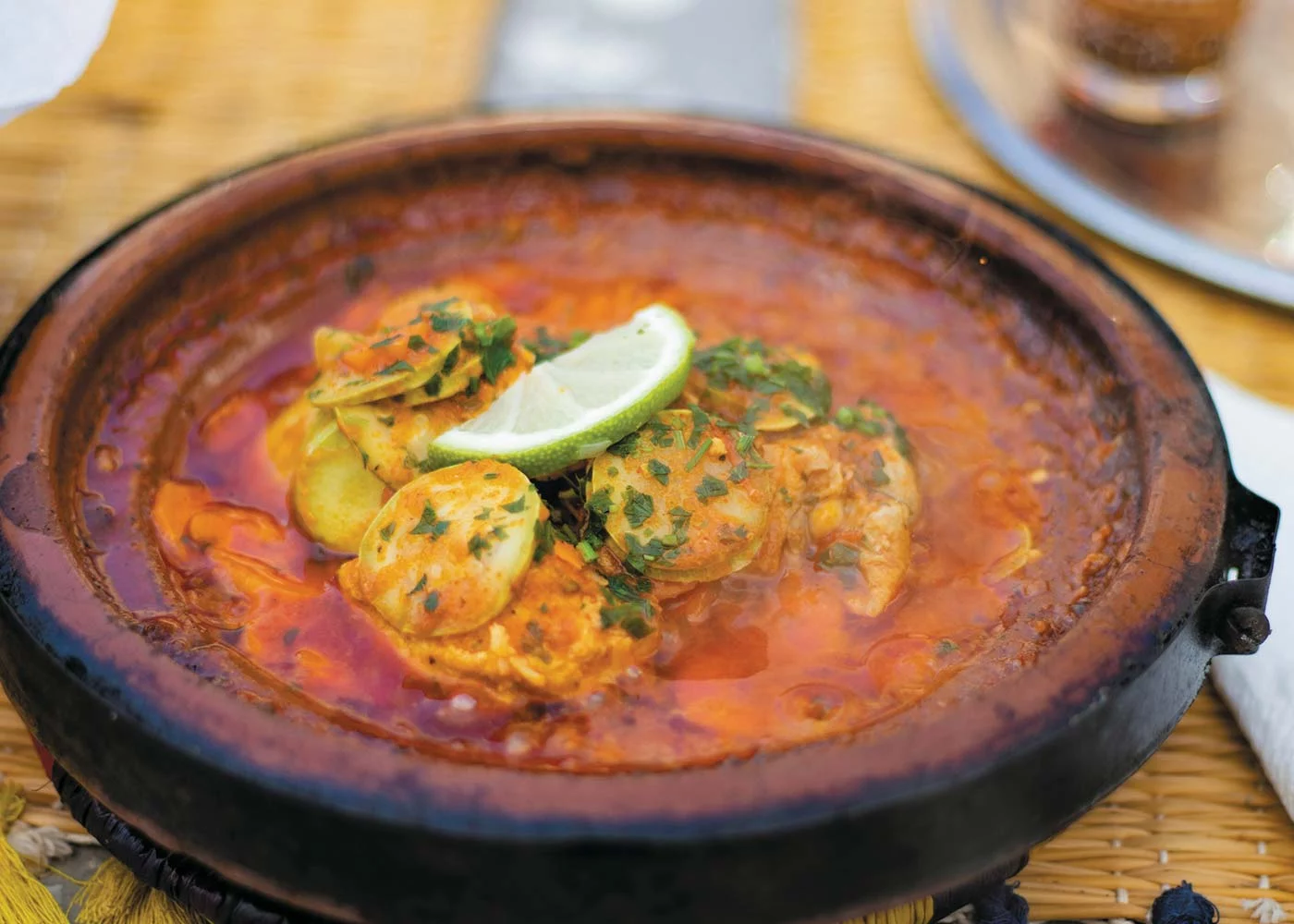
Who makes the best tagine? What is its secret? What are the latest culinary trends for Morocco’s national dish? There are many myths surrounding tagine. In essence, it is a hearty dish of meat or fish and vegetables in which all ingredients are cooked together in a round earthenware pot over a charcoal fire.
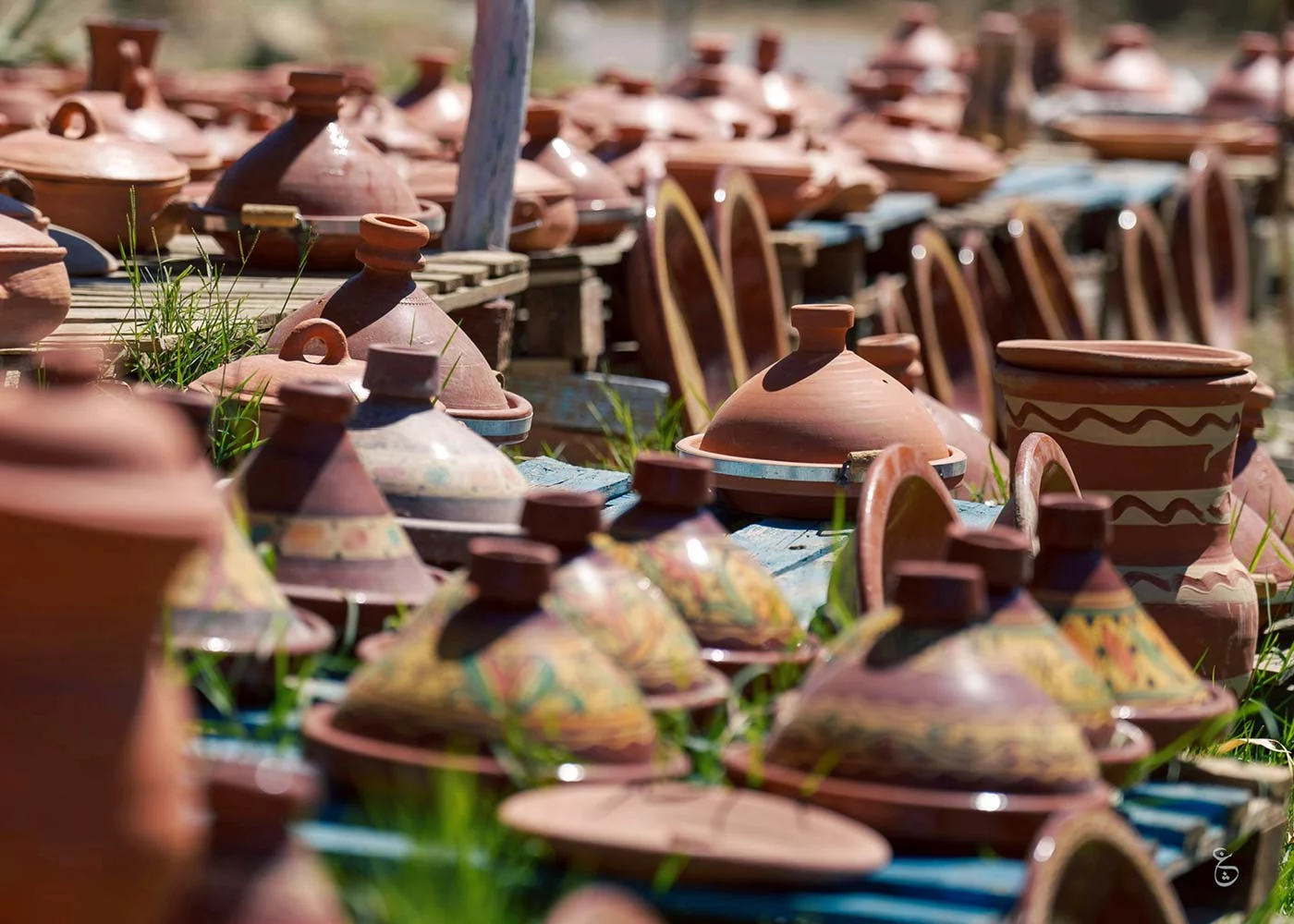
The tagine pot is characterised by its domed (Berber) or pointed (Arab) lid. Make sure to try Moroccan cuisine’s most irresistible dish!
Sociability and simplicity are as much a part of tagine as saffron, coriander, caraway and cumin.
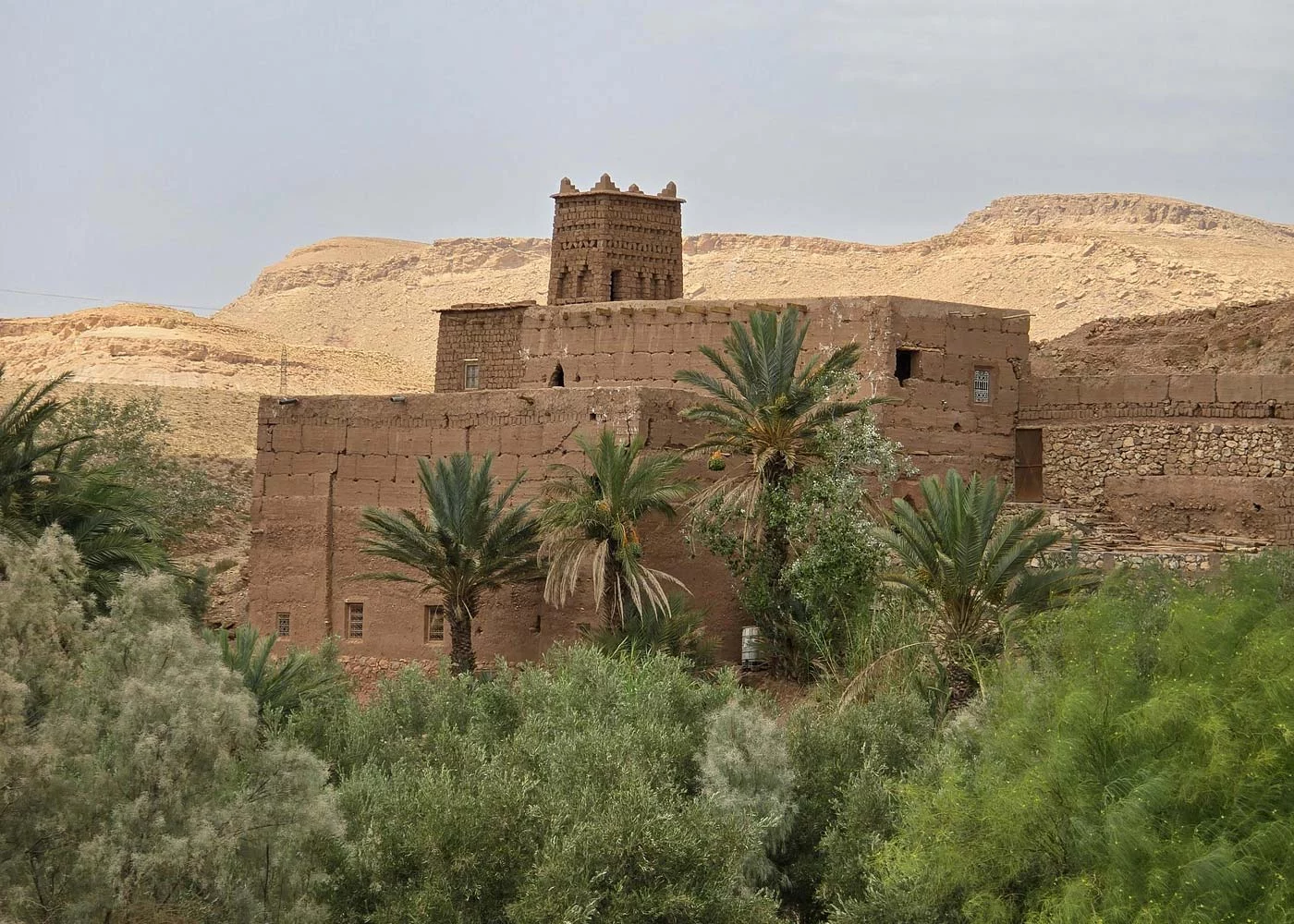
Mud castle on the edge of the desert
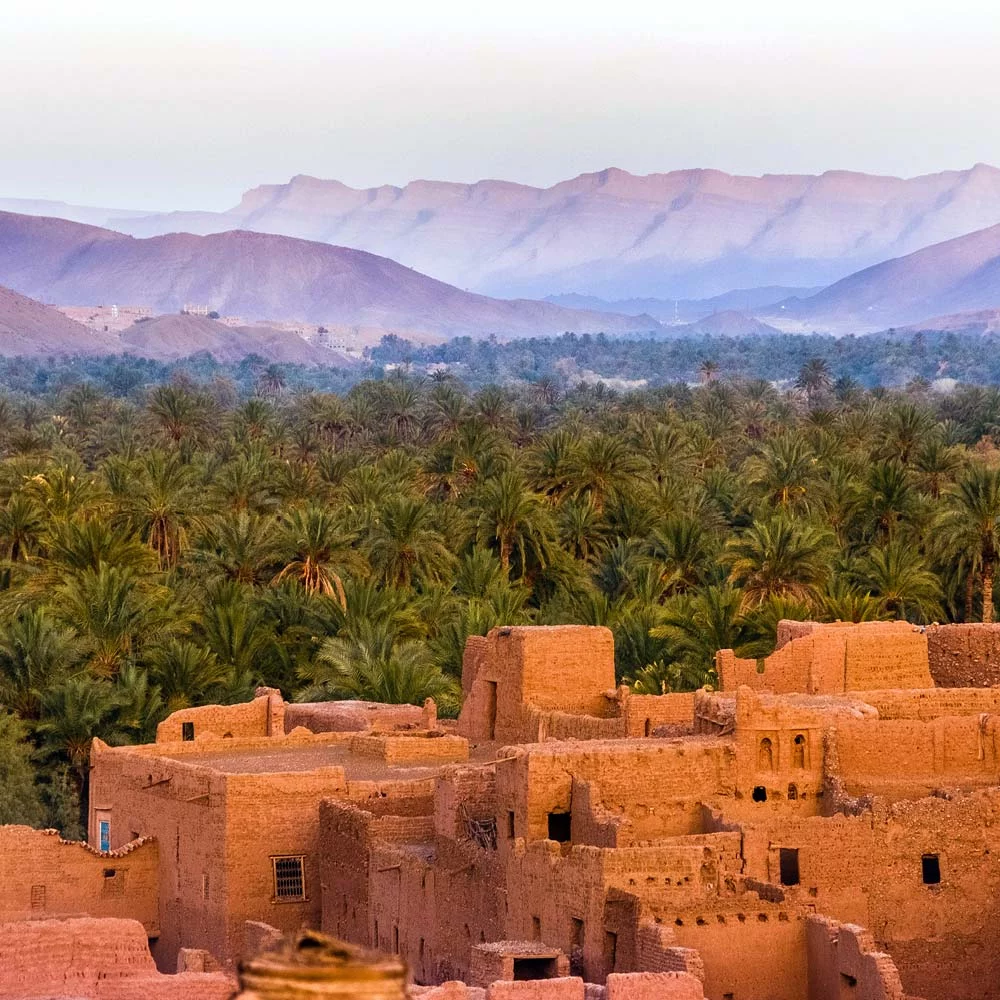
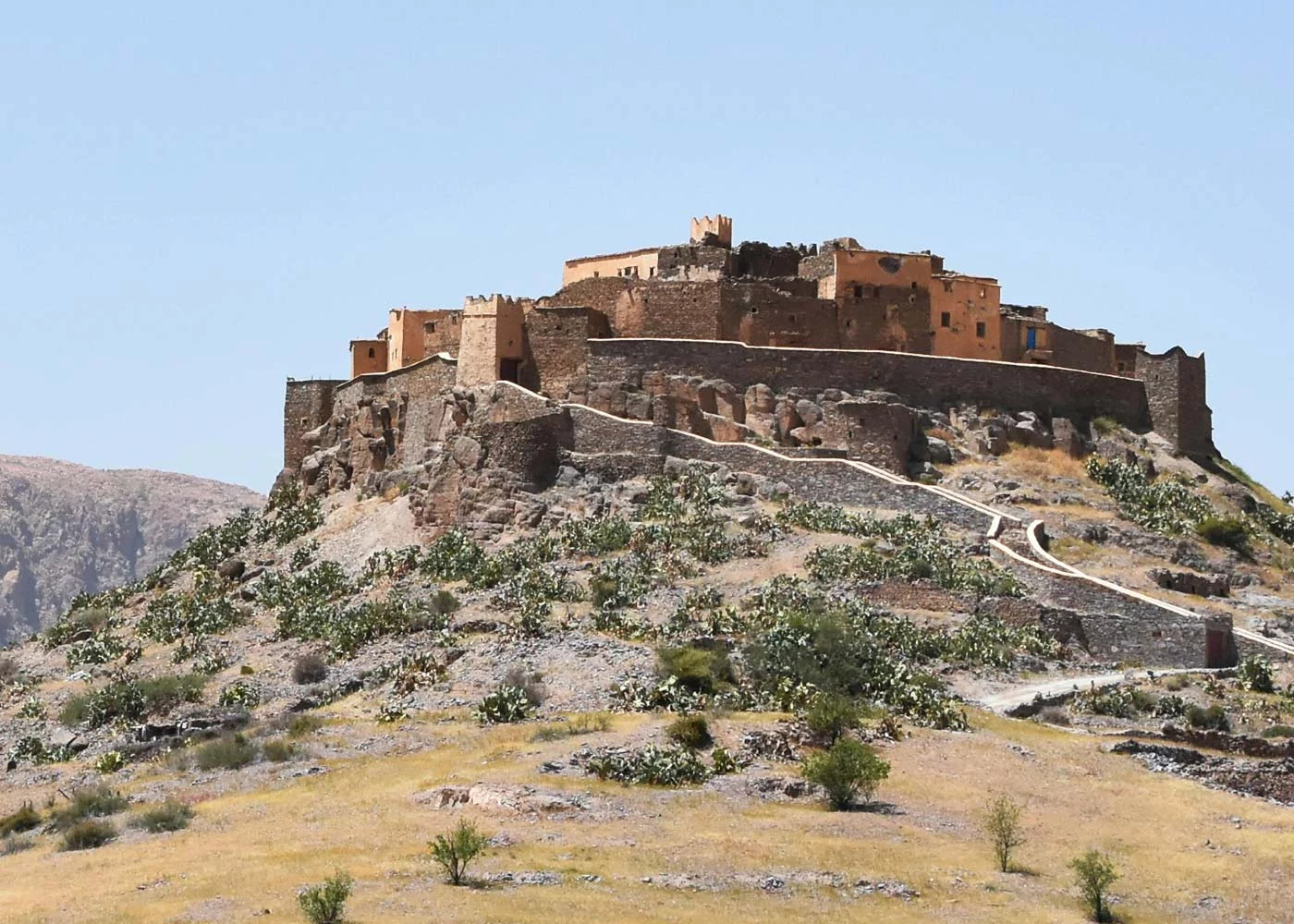
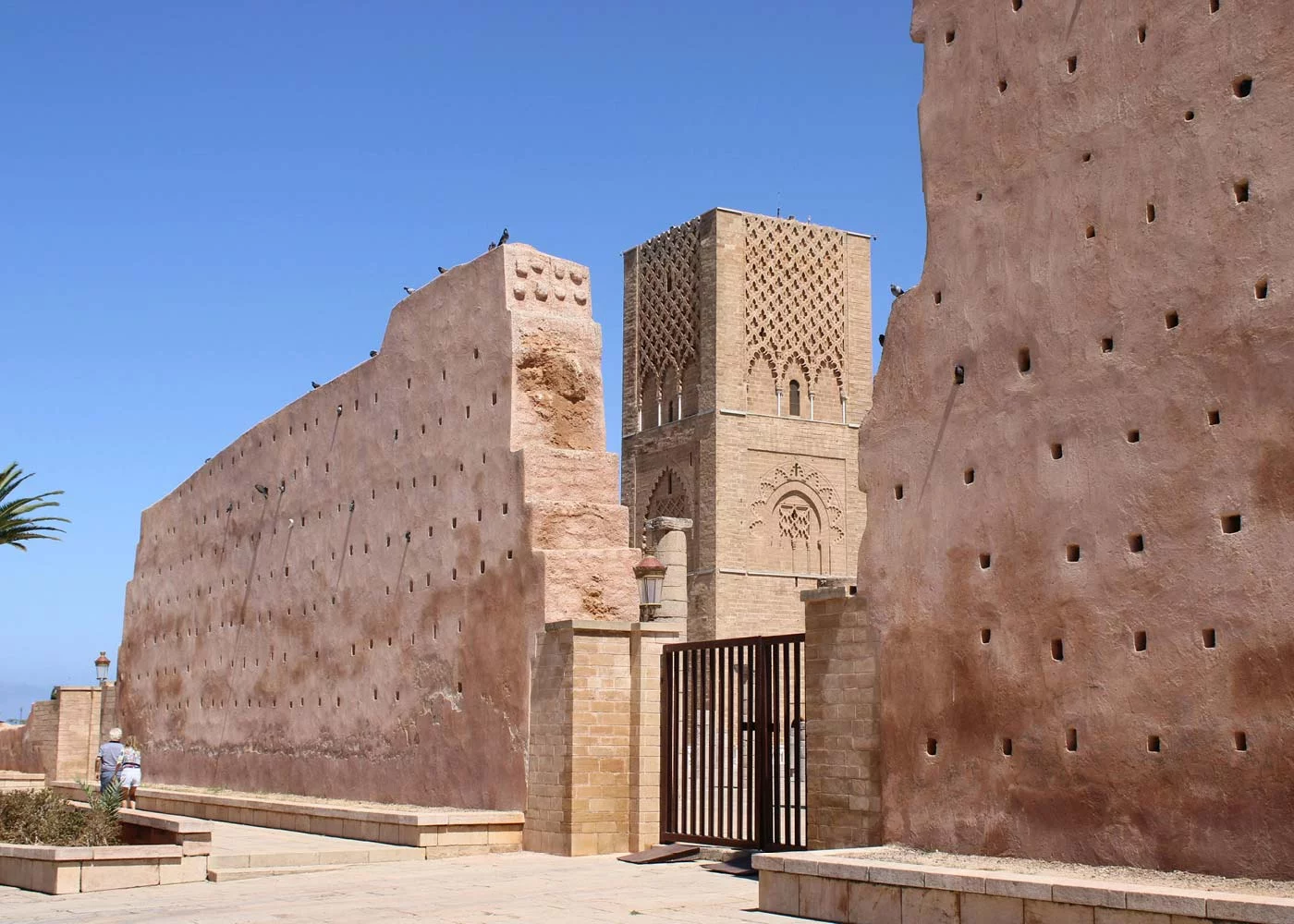
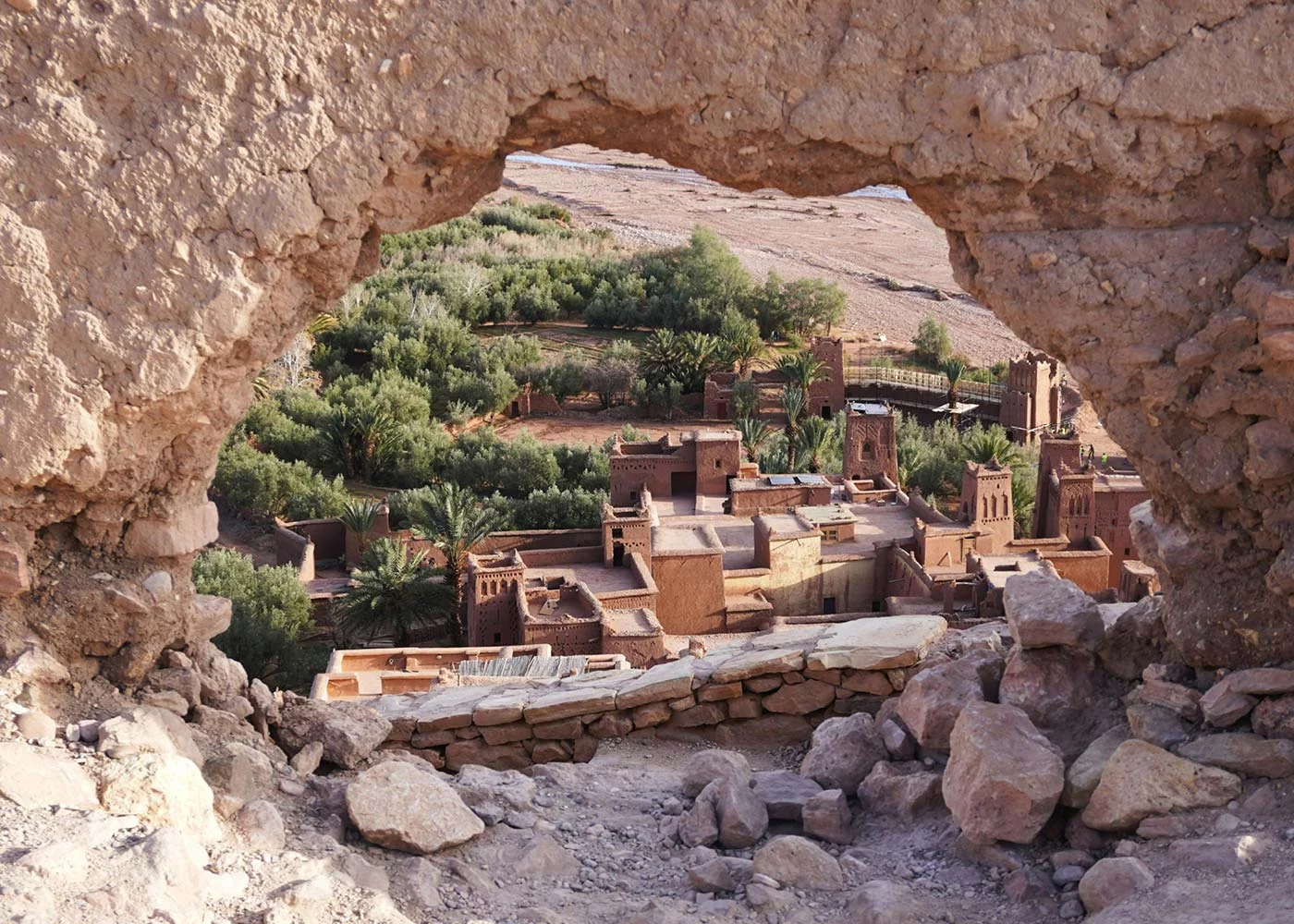
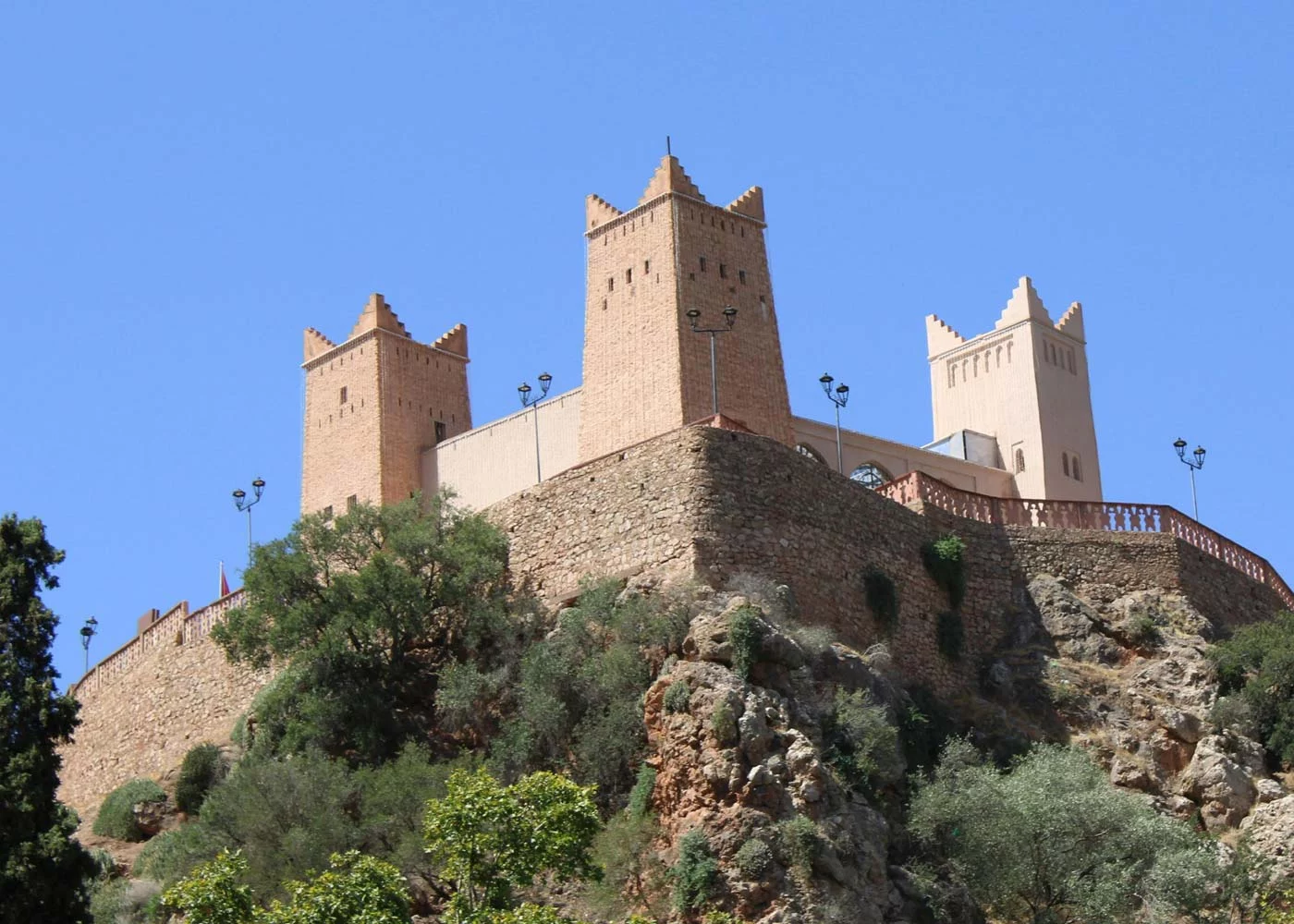
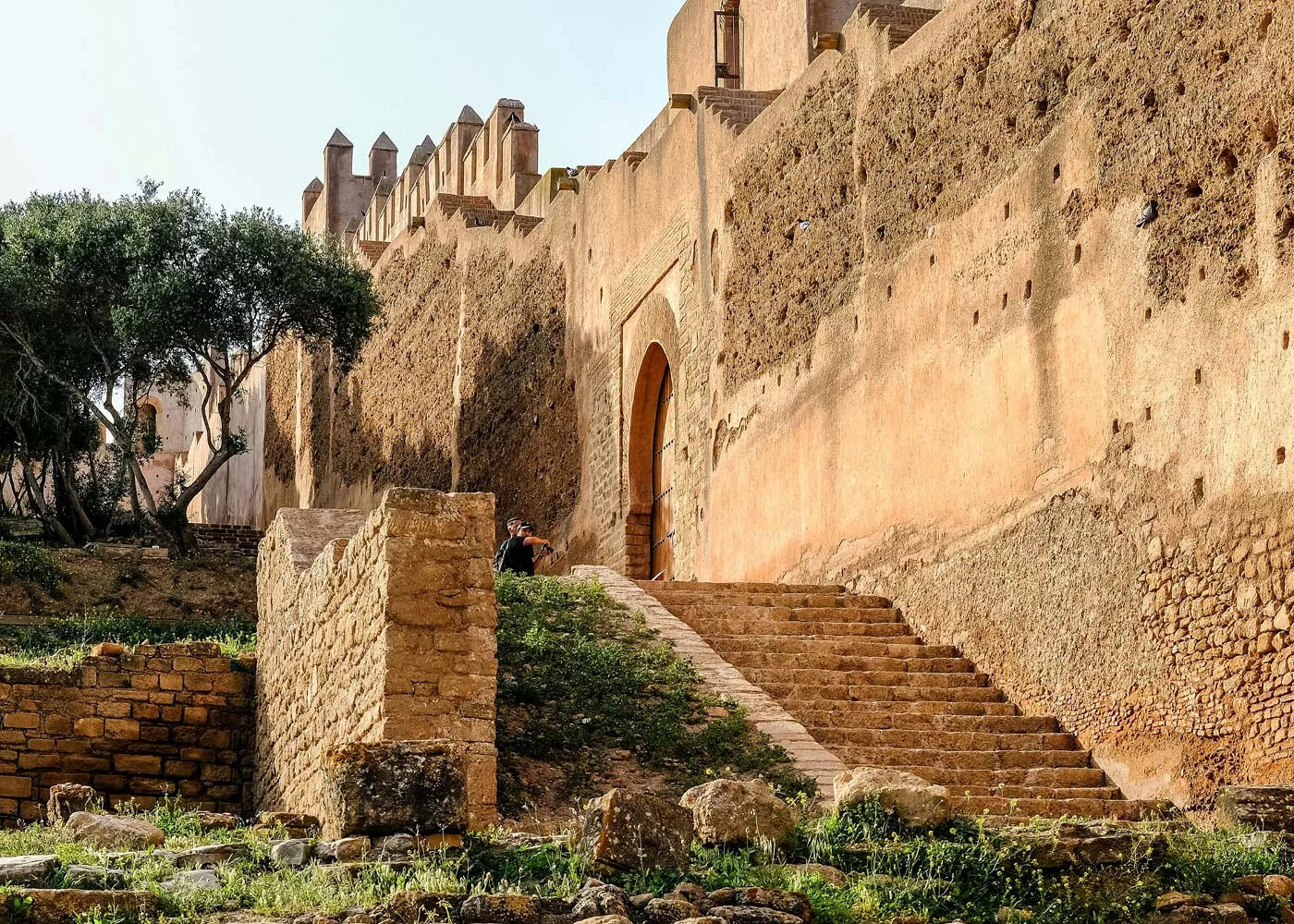
Centuries old castles and fortresses built from mud, straw and fine gravel in shades of red and brown: kasbahs perch above fertile river oases, between green palm groves and before shimmering gravel deserts and rock formations that reach up to the sky. Above or within the medinas, Morocco’s historic centres, kasbahs were once where governors and kings resided to keep an eye on the coast and maintain an overview of the restless hinterland. Today, these impressive mud castles on the edge of the Moroccan desert seem to have come from another world.
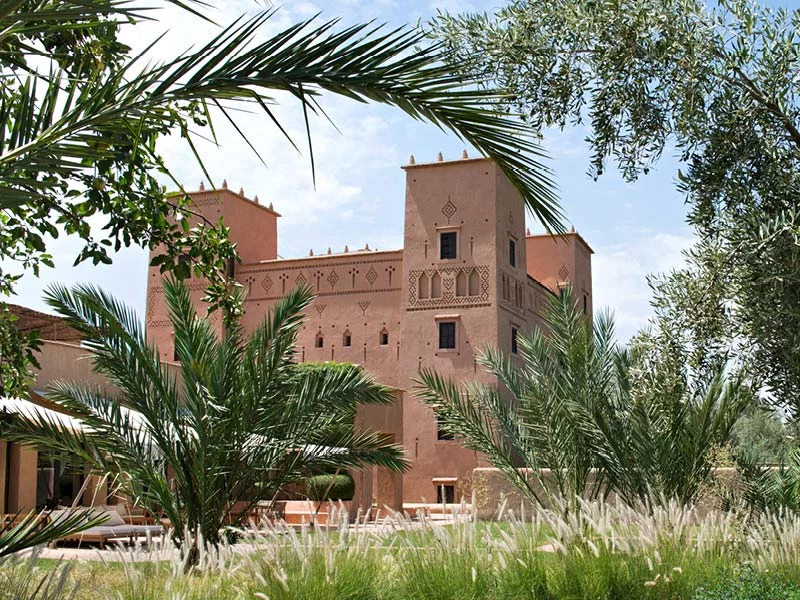
Our tours
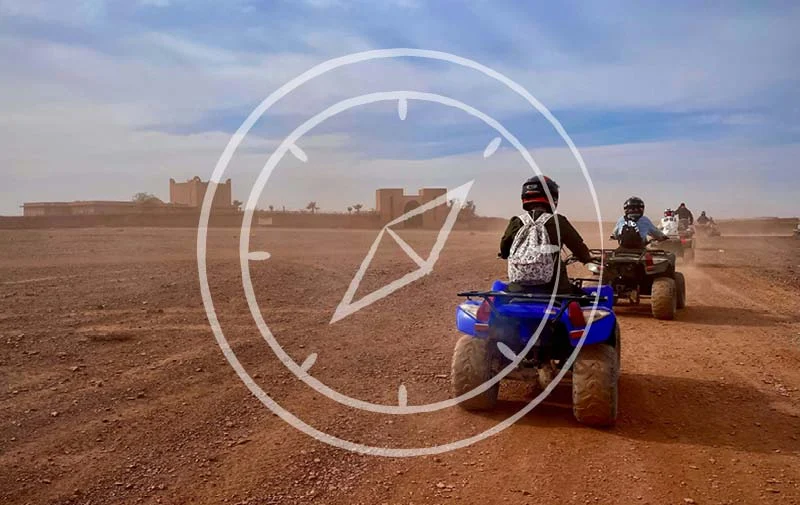
Desert Drive Agafay – 4x4, buggy, quad and e-bike meet authentic Amazigh encounters, individually arranged near Marrakesh.
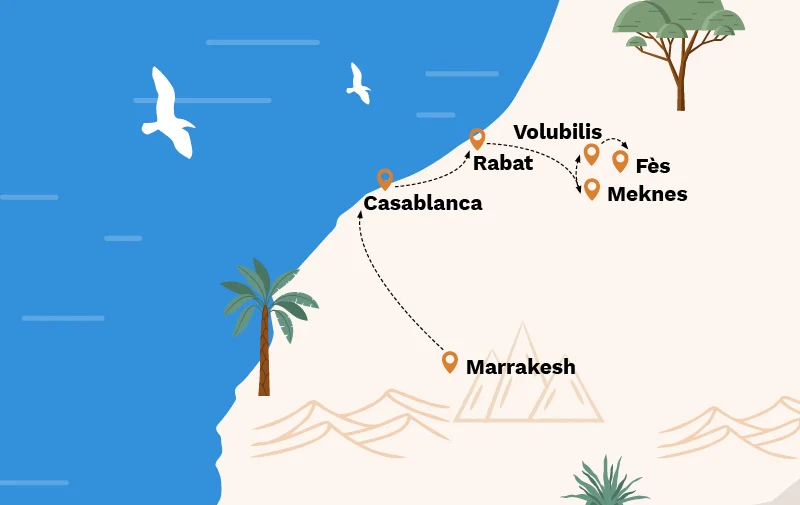
Luxury round trip from 7 days: Experience Morocco’s four imperial cities plus Casablanca in luxury

Saints of Agafay Retreat in Morocco's stone desert near Marrakech: desert hikes, Lalla Takerkoust and starlit nights – for calm, balance and new perspectives.
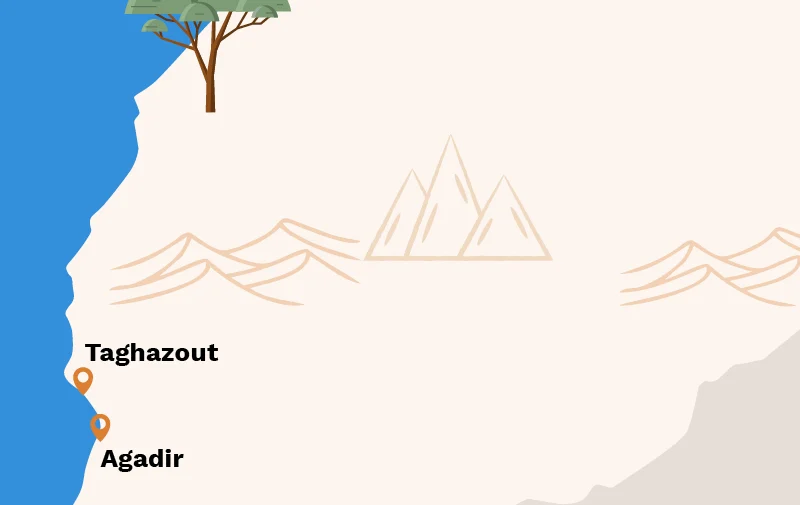
Adults Only beach holiday in Agadir & Taghazout: unforgettable experiences on the Atlantic.
Experience Morocco's four Imperial Cities authentically: craft, encounters, history & a personal chauffeur.
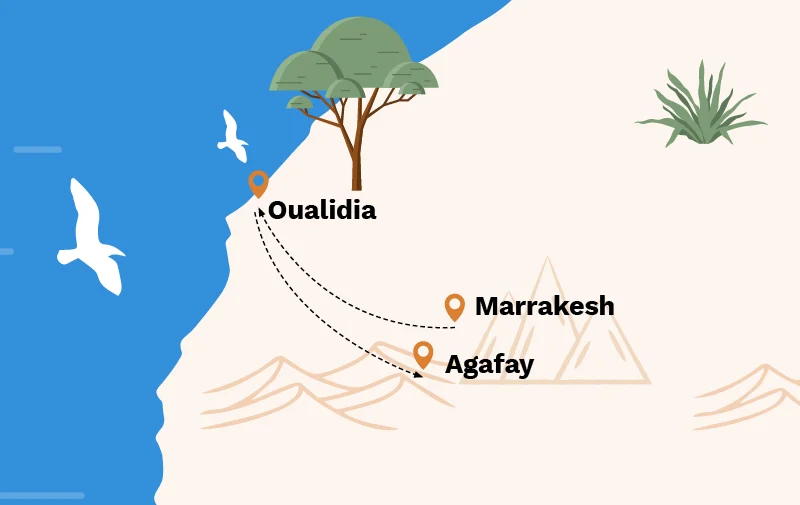
A private culinary journey through Morocco from 6 nights: fine dining in Marrakech, oysters on Oualidia’s lagoon and a panoramic dinner in the Agafay
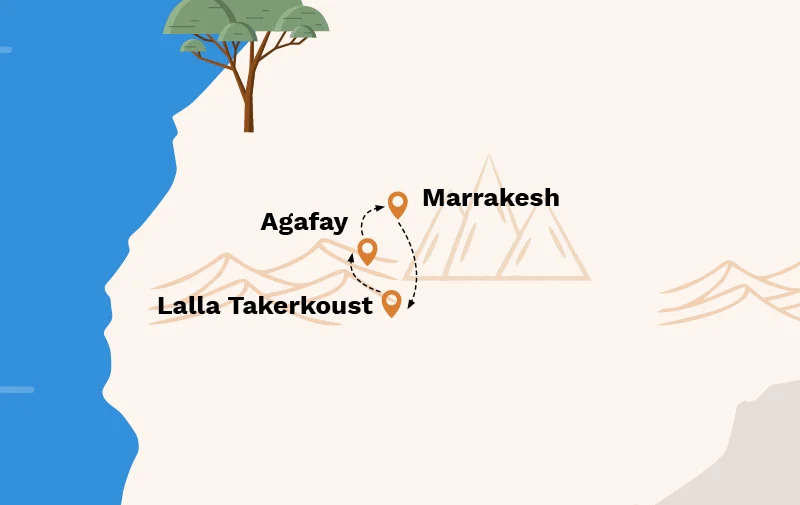
Marrakesh meets the peace of the Agafay desert: luxury riad, desert camp & private chauffeur
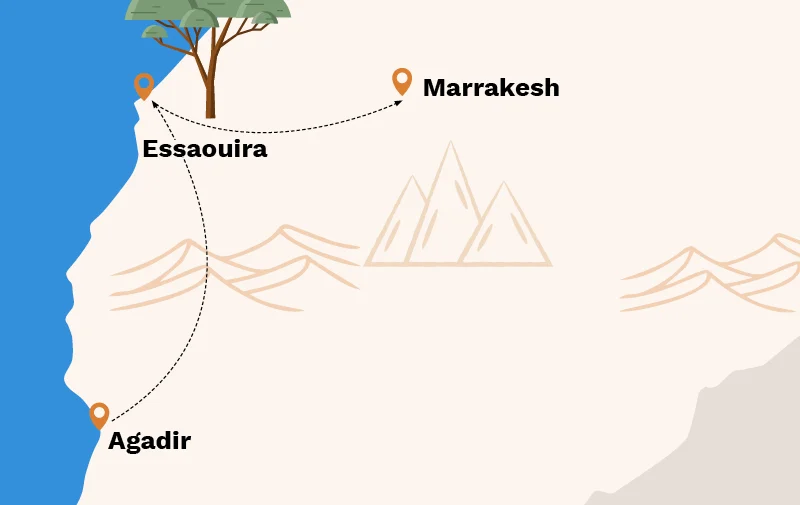
A city trip that makes the diversity of a Morocco holiday tangible. From Agadir over to Essaouira to Marrakesh.
Back to your natural rhythm at the Silent Nature Retreat – Adults-only
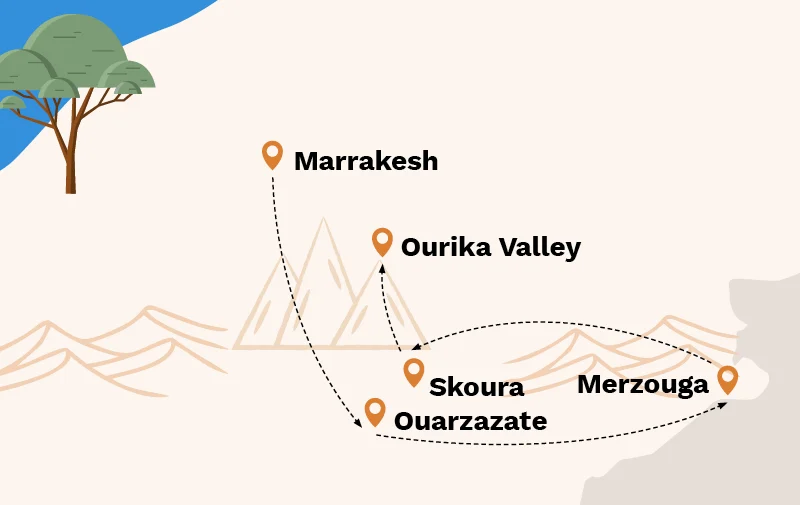
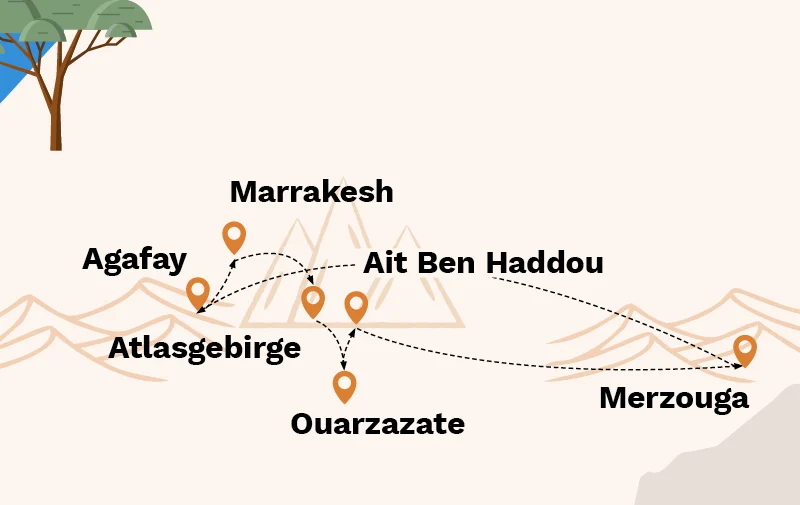
Experience a private round trip through kasbahs, oases and the fascinating vastness of the Sahara.